On The Go Tours
Our agents are waiting to chat to you...
Are you a Travel Agent or Customer?
Do you have an booking reference?
Spain Travel Tips
When do you want to go?
2025
I'm flexible
Passengers
Adults (18+)
Children (0 - 17)
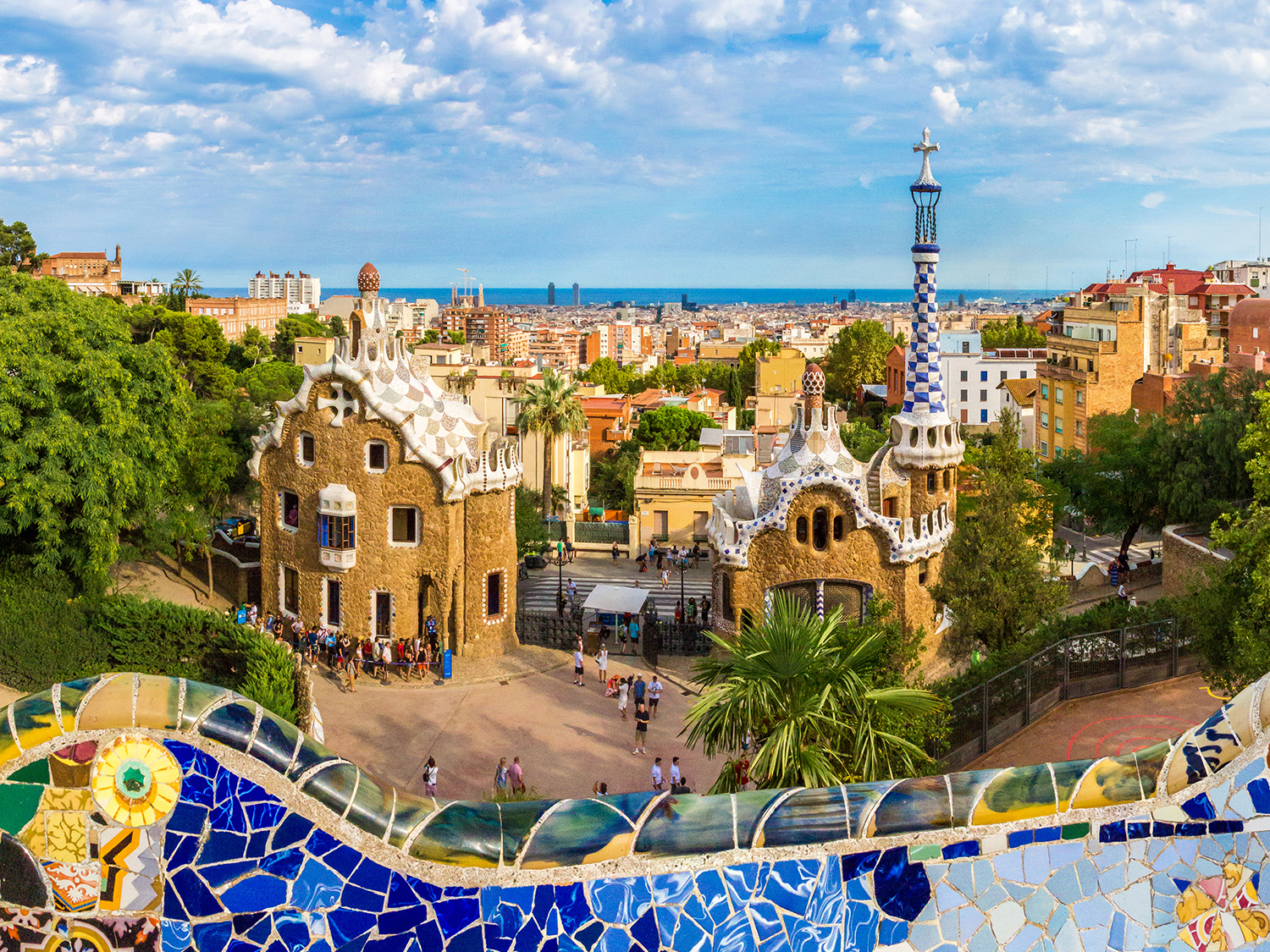
When planning a trip to Spain, it’s important to be well-prepared. Spain, with its rich history, diverse culture, stunning landscapes, and vibrant cities, offers a wealth of experiences for every type of traveler. Whether you’re drawn to the architectural wonders of Barcelona, the flamenco culture of Andalusia, or the scenic beauty of the Mediterranean coast, a little knowledge can go a long way in making your trip smoother and more enjoyable. While we provide a great starting point, this guide aims to expand on the essentials and offer more in-depth travel tips to help you navigate Spain with ease and confidence.
Quick Links
Pre-Travel Health Advice
Spain is a safe and well-developed destination with modern healthcare standards, especially in cities and major tourist areas. However, it’s still a good idea to take a few precautions before you travel.
Vaccinations
No vaccinations are required to enter the country, but it is advisable to be up to date with routine immunizations such as measles, mumps, and rubella (MMR); diphtheria, tetanus, and polio (DTP); and hepatitis A.
If you are coming from another European Union (EU) or European Economic Area (EEA) country, bring your European Health Insurance Card (EHIC) or Global Health Insurance Card (GHIC), which entitles you to state-provided medical treatment.
Pharmacies and Medical Care
Pharmacies (“farmacias”) are widespread and usually easy to identify by a green cross sign. They are well-stocked, and pharmacists often speak English. For minor illnesses, you may not need to visit a doctor, as pharmacists can offer advice and over-the-counter medication.
If you’re travelling with prescription medication, ensure it is in its original packaging and accompanied by a doctor’s note explaining your medical needs. Travel insurance that includes medical cover is strongly recommended for all non-EU travelers.
Cultural Etiquette and Dining
Spain has a vibrant and diverse culture, and learning about the local customs can greatly enhance your travel experience.
Dining Hours and Etiquette
- Lunch is typically served from 2 pm to 4 pm
- Dinner usually starts around 9 pm or later, with many restaurants staying open until midnight.
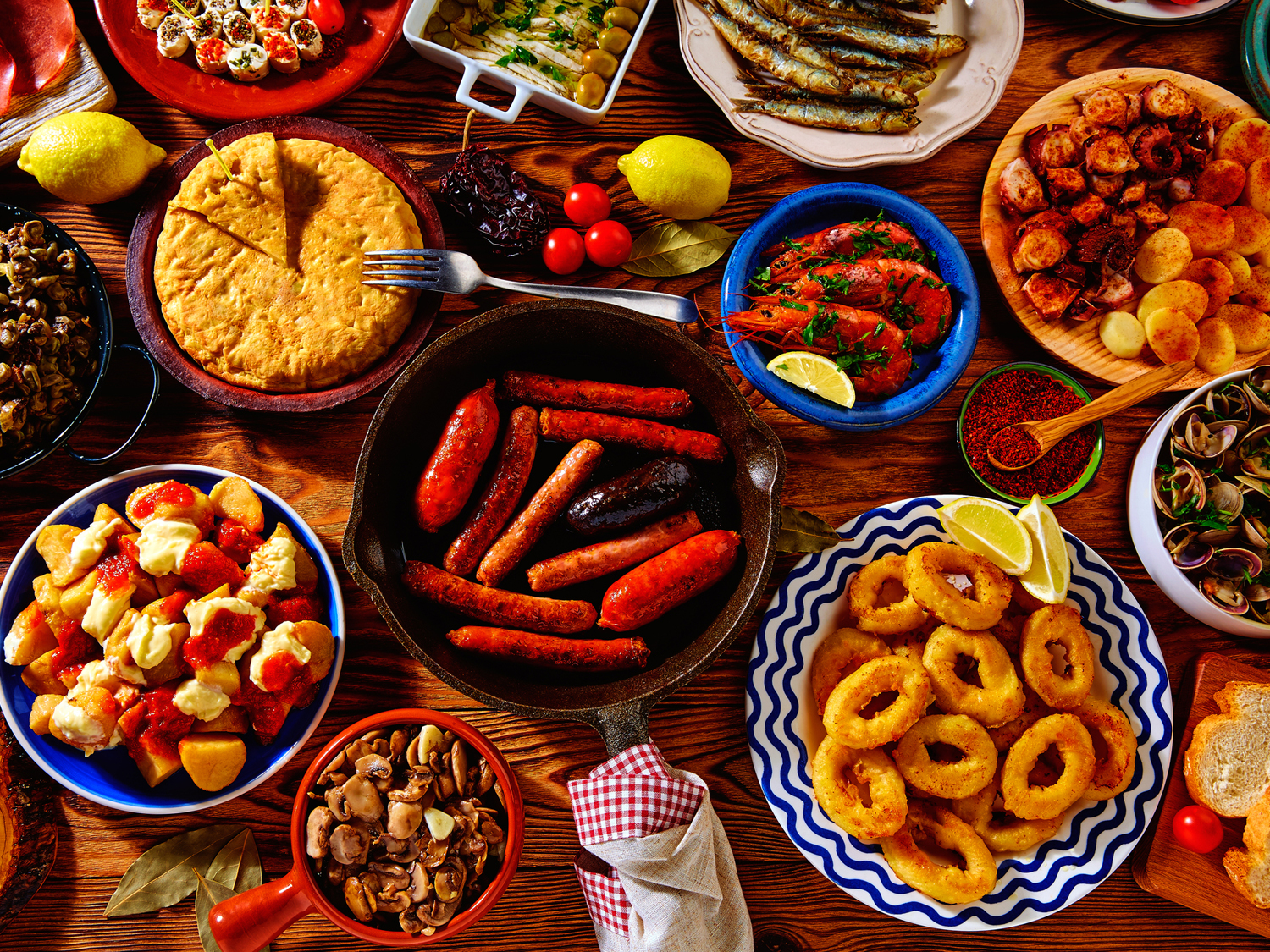
Spanish meals are a social occasion, often lasting several hours. In some regions, like Andalusia, lunch can extend into the late afternoon. Visitors should be prepared to adapt to these schedules.
Tipping: Tipping in Spain is appreciated but not obligatory. In restaurants, it’s customary to leave a tip of 5 to 10%, depending on the service. In cafés or bars, rounding up the bill is common.
Greeting Etiquette: In Spain, handshakes are common in formal settings, while friends or close acquaintances may greet each other with a kiss on both cheeks, starting with the left cheek.
Safety and Emergency Information
Spain is generally considered a safe destination for tourists. However, like in any popular travel destination, it’s important to stay vigilant, especially in crowded places like train stations, markets, and tourist sites, where pickpockets may operate.
Emergency Numbers:
Police, Fire, and Medical: 112 (This is the emergency number for all EU countries, including Spain.)
Tip: It’s advisable to carry a photocopy of your passport and store it separately from the original in case of loss or theft.
Staying Safe and Navigating Spain
While Spain is a relatively safe country, it’s always good to take precautions, especially in busy tourist spots. Keep your belongings secure, be cautious of strangers offering unsolicited help, and make sure to stay in well-lit and populated areas at night.
Shopping and Souvenirs
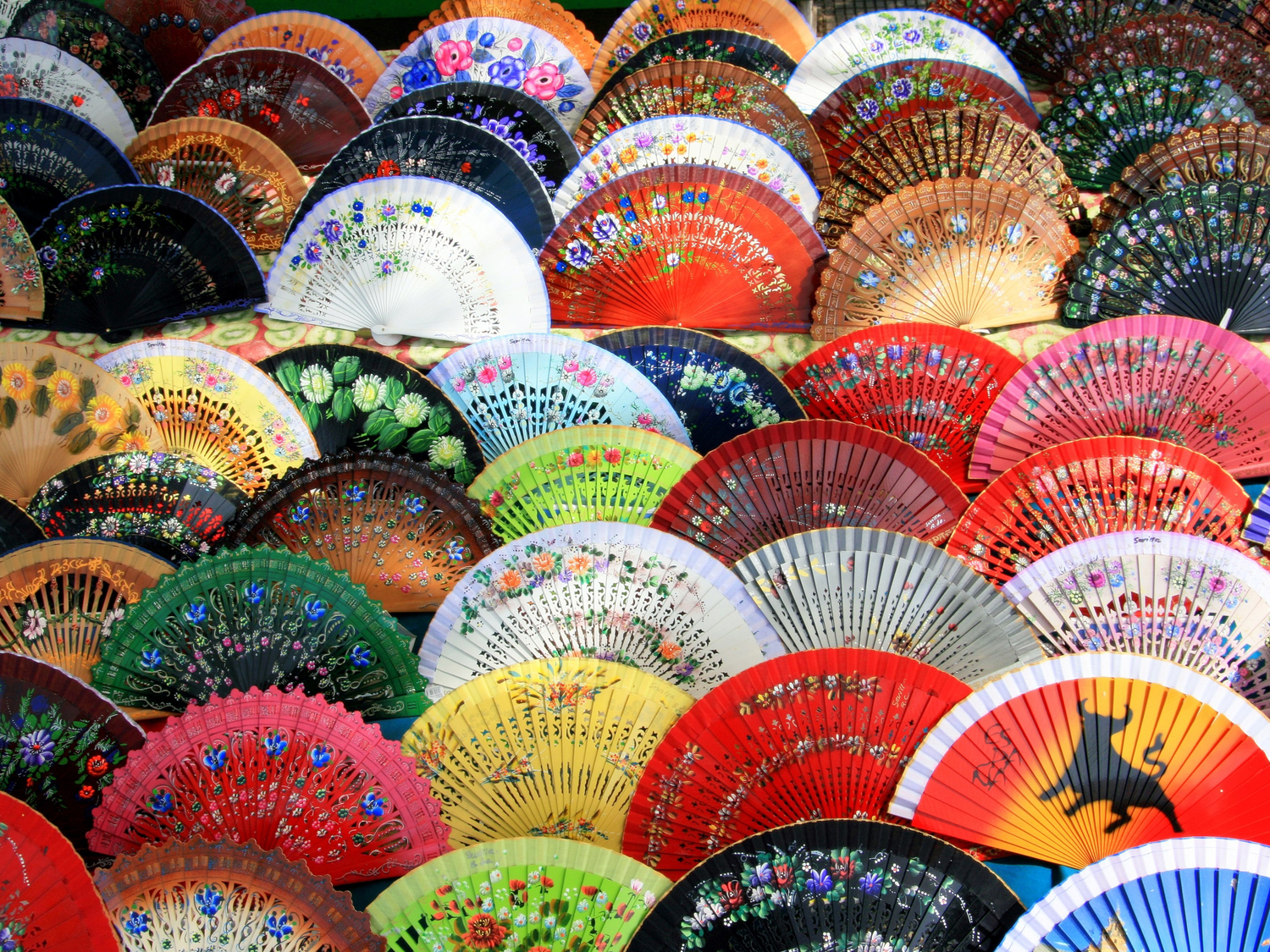
Spain offers a wide variety of unique and high-quality products perfect for gifts or souvenirs:
• Olive Oil: Spain is one of the largest producers of olive oil in the world. Purchasing a bottle of premium olive oil from a local market or region like Andalusia is a great souvenir.
• Leather Goods: The Spanish are known for their fine leather craftsmanship. Leather goods, such as handbags, wallets, and belts, are popular items from cities like Ubrique.
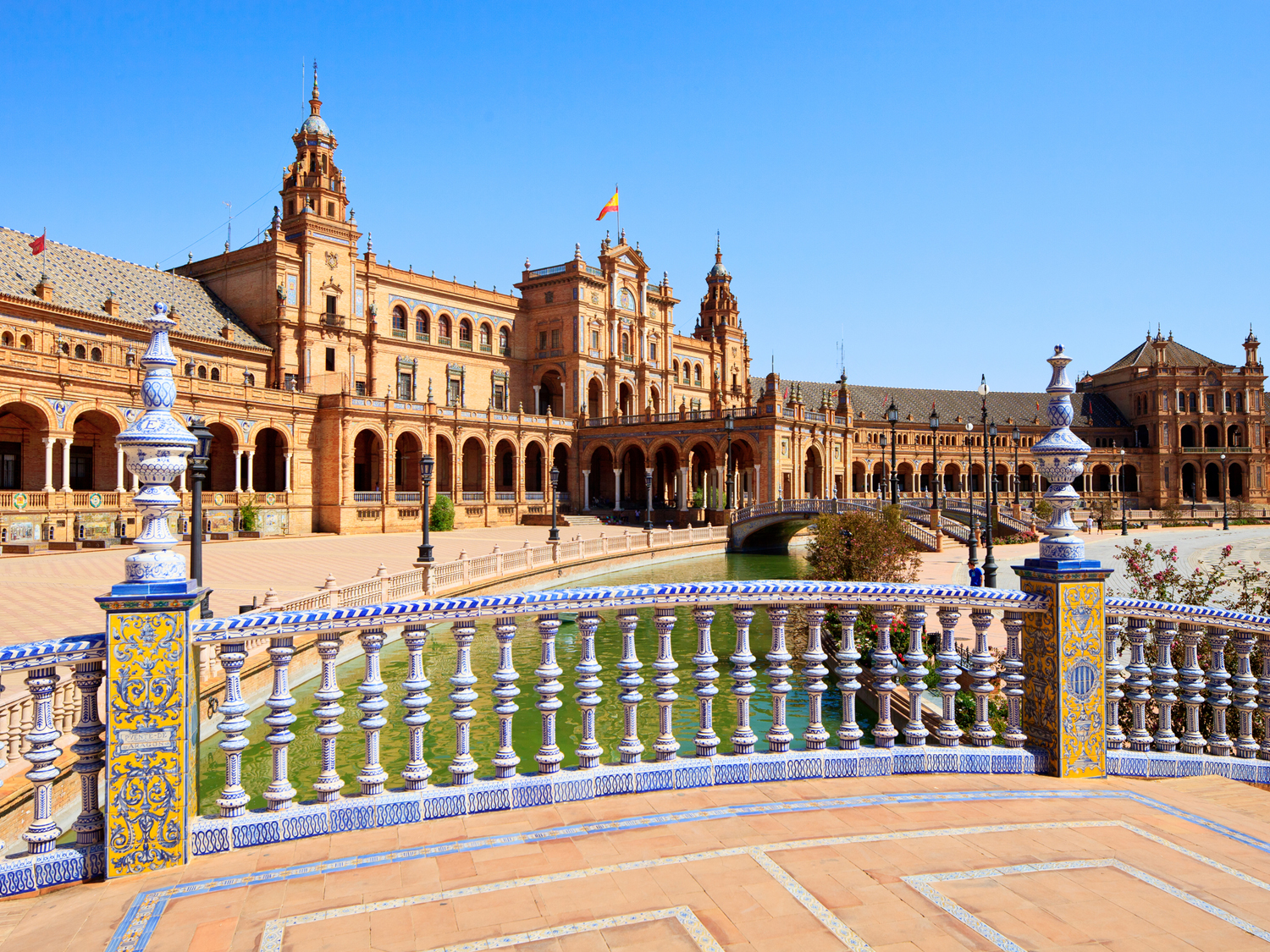
• Ceramics: Hand-painted ceramics are also popular souvenirs. These can be found in Andalusia, with regions like Seville and Granada offering beautiful, traditional designs.
Currency and Costs
Spain is a part of the European Union, so the official currency is the euro. Although credit and debit cards are widely used and accepted, especially in tourist areas, carrying some cash is always a good idea. Smaller towns, local markets, and rural areas may not always have card facilities. Spain also has an extensive ATM network, but be mindful of foreign transaction fees if you’re withdrawing from international accounts.
Electrical Considerations
Spain operates on a 220V supply voltage with a frequency of 50 Hz. The plug type used is the European two-pin plug (Type C or F). If you are travelling from countries like the U.K. or the U.S., you will need a travel adapter to plug in your electronics. For U.S. travelers, a voltage converter may also be necessary, as American appliances are designed to work at 110V.
Tip:
It’s always a good idea to purchase a universal travel adapter before leaving home to avoid any last-minute issues with charging your devices.
Connectivity and Wi-Fi
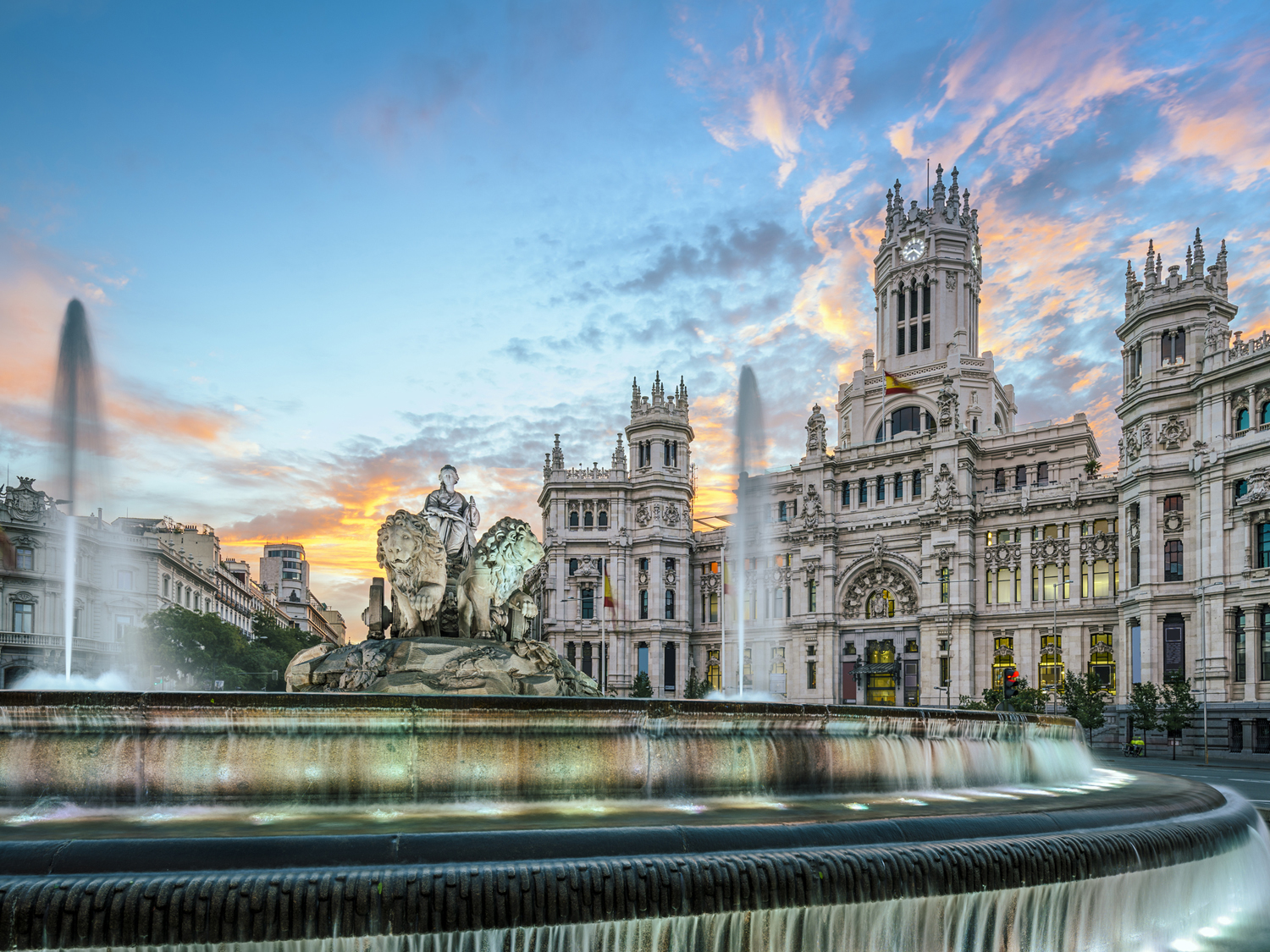
In Spain, staying connected is easy. Most hotels, cafes, restaurants, and even public spaces offer free Wi-Fi, although the quality can vary. Major cities like Barcelona, Madrid, and Seville generally have reliable internet access, making it easy to communicate with friends or use online maps and travel guides during your trip.
If you plan to stay for an extended period or need data on the go, consider purchasing a local SIM card. Spain has several mobile providers, such as Vodafone, Movistar, and Orange, offering competitive prices on prepaid SIM cards for tourists.
Time Zone and Daylight Saving
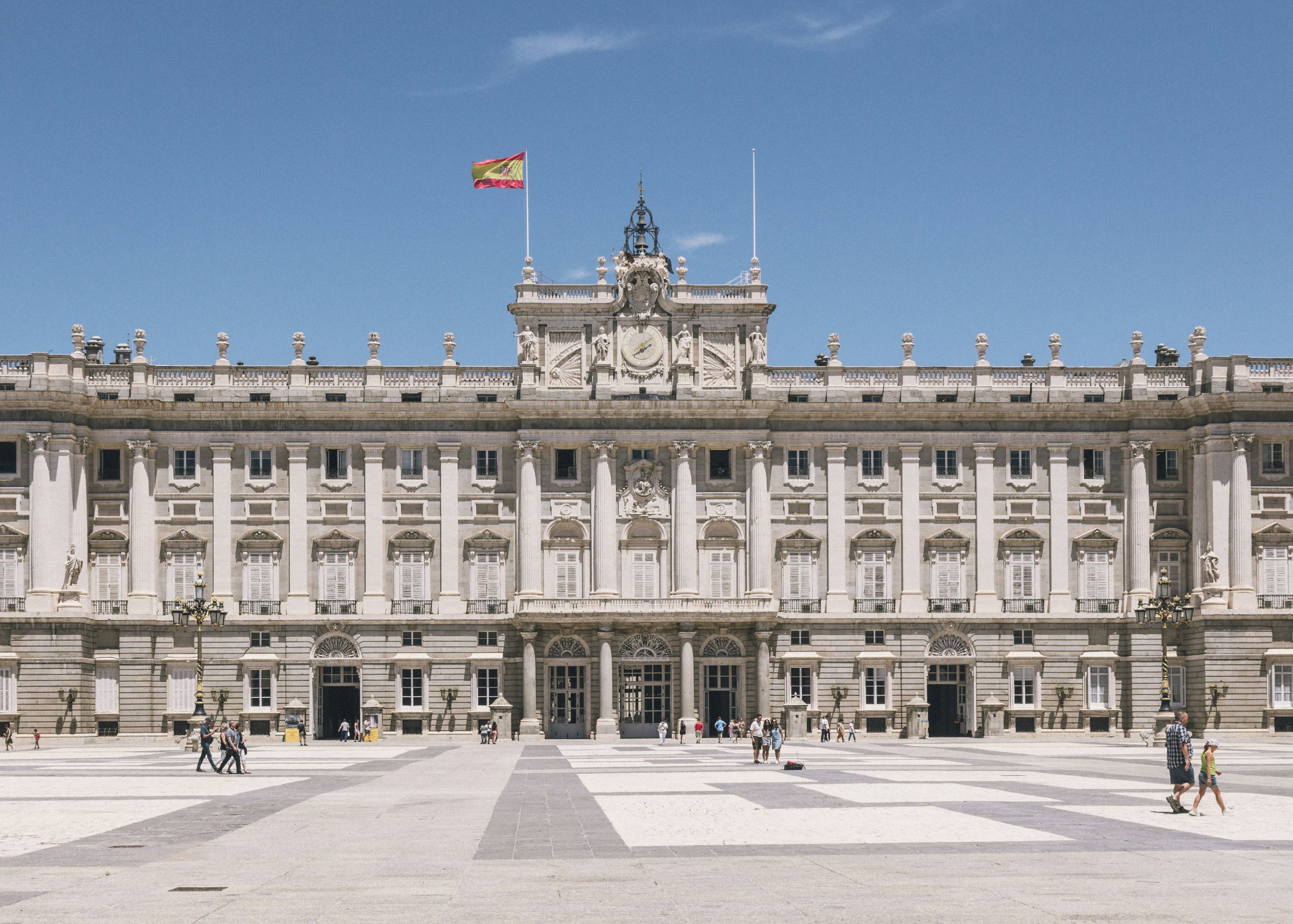
Spain is located in the Central European Time (CET) zone, which is UTC +1. During the summer months, the country follows Central European Summer Time (CEST), which is UTC +2, due to Daylight Saving Time. This means Spain is one hour ahead of the United Kingdom during standard time and two hours ahead during the summer months.
Tip:
Be mindful of the time change, especially when you are coordinating travel schedules, as it can affect your flight or train reservations.
Regional Variations in Spain
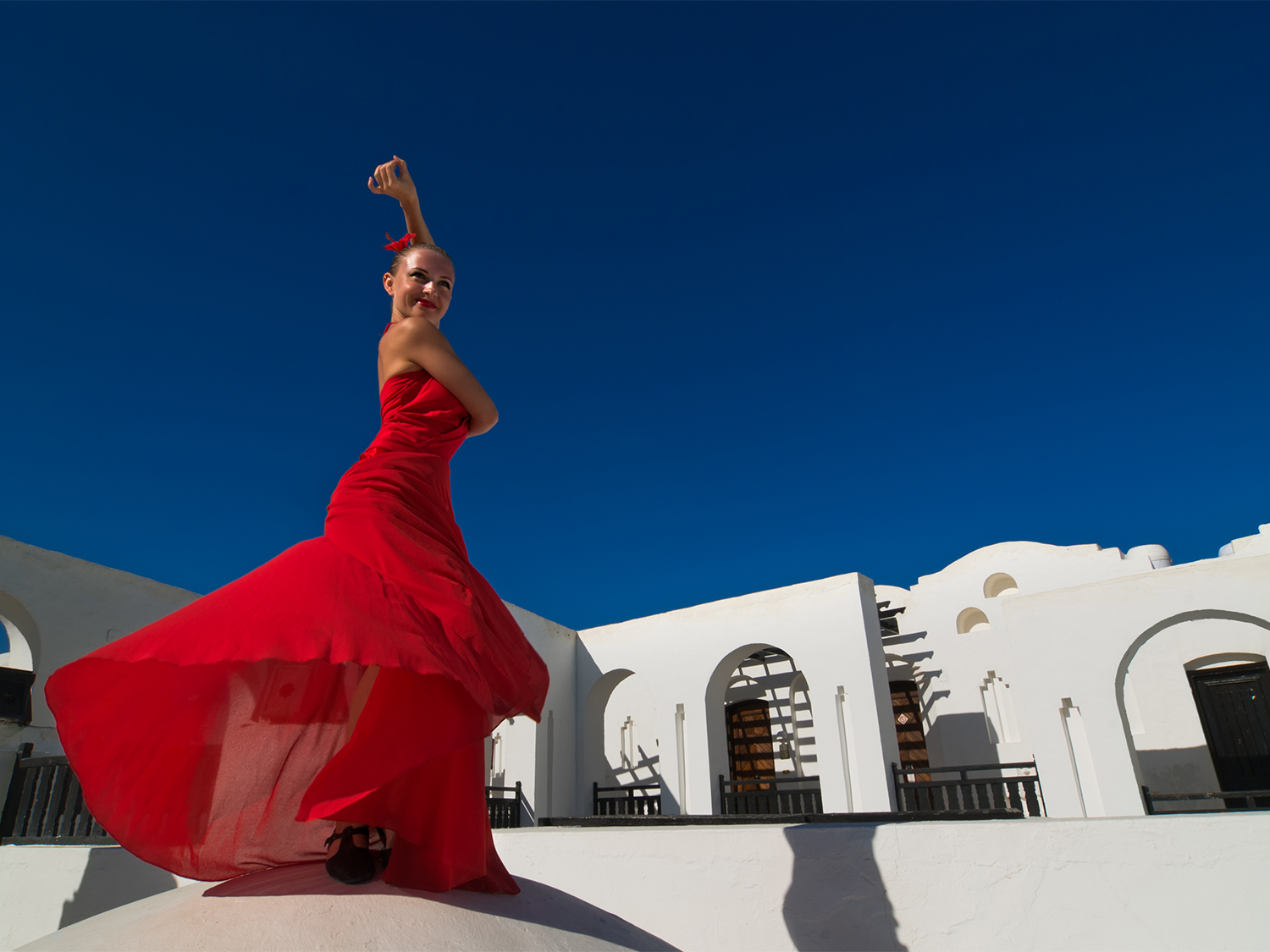
Spain is a country of stark regional differences, each with its own unique traditions, cuisine, and even language:
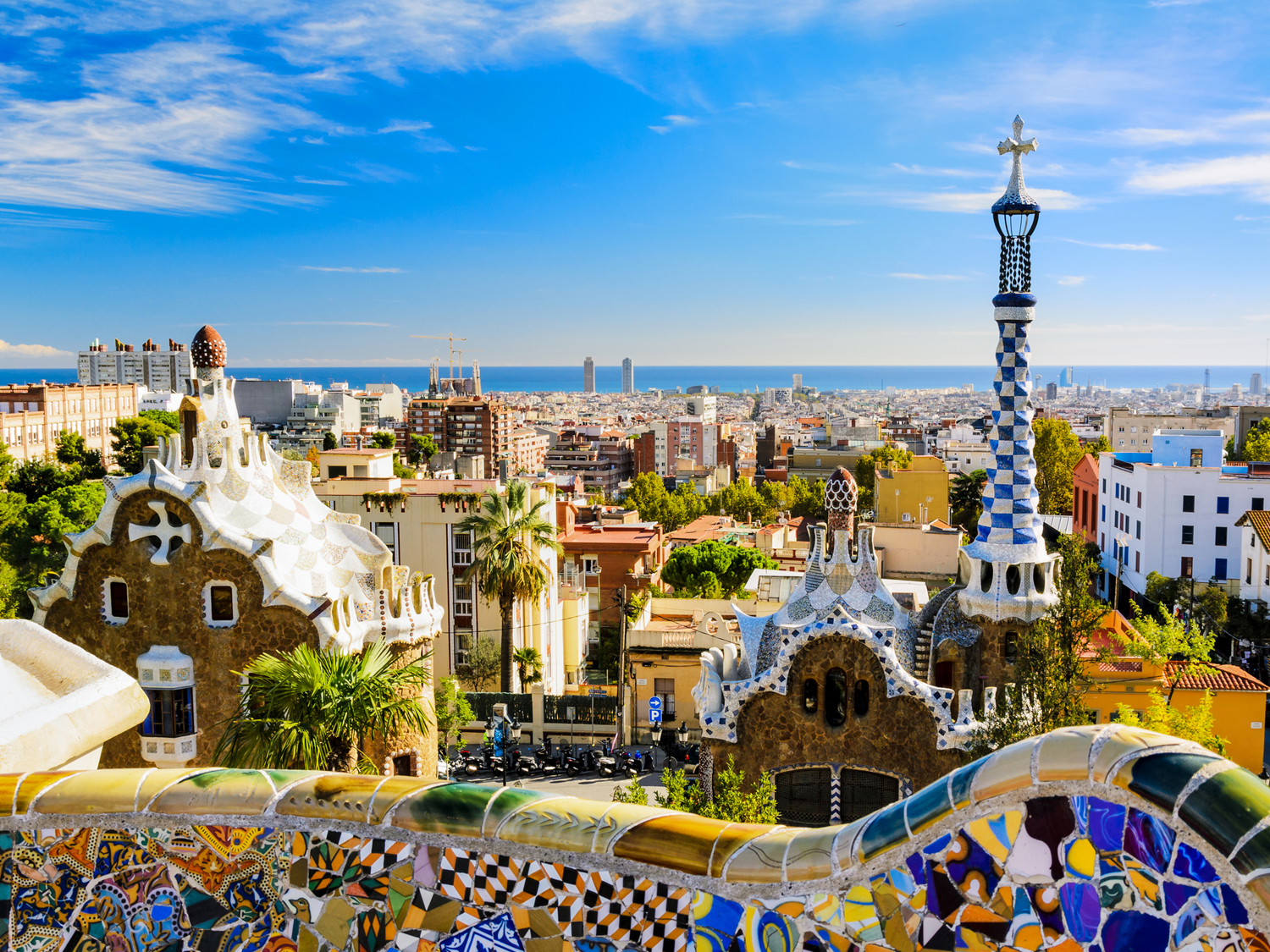
• Catalonia: Known for its distinct language, Catalan, and its rich cultural heritage. Barcelona is a bustling city filled with stunning architecture and beautiful beaches.
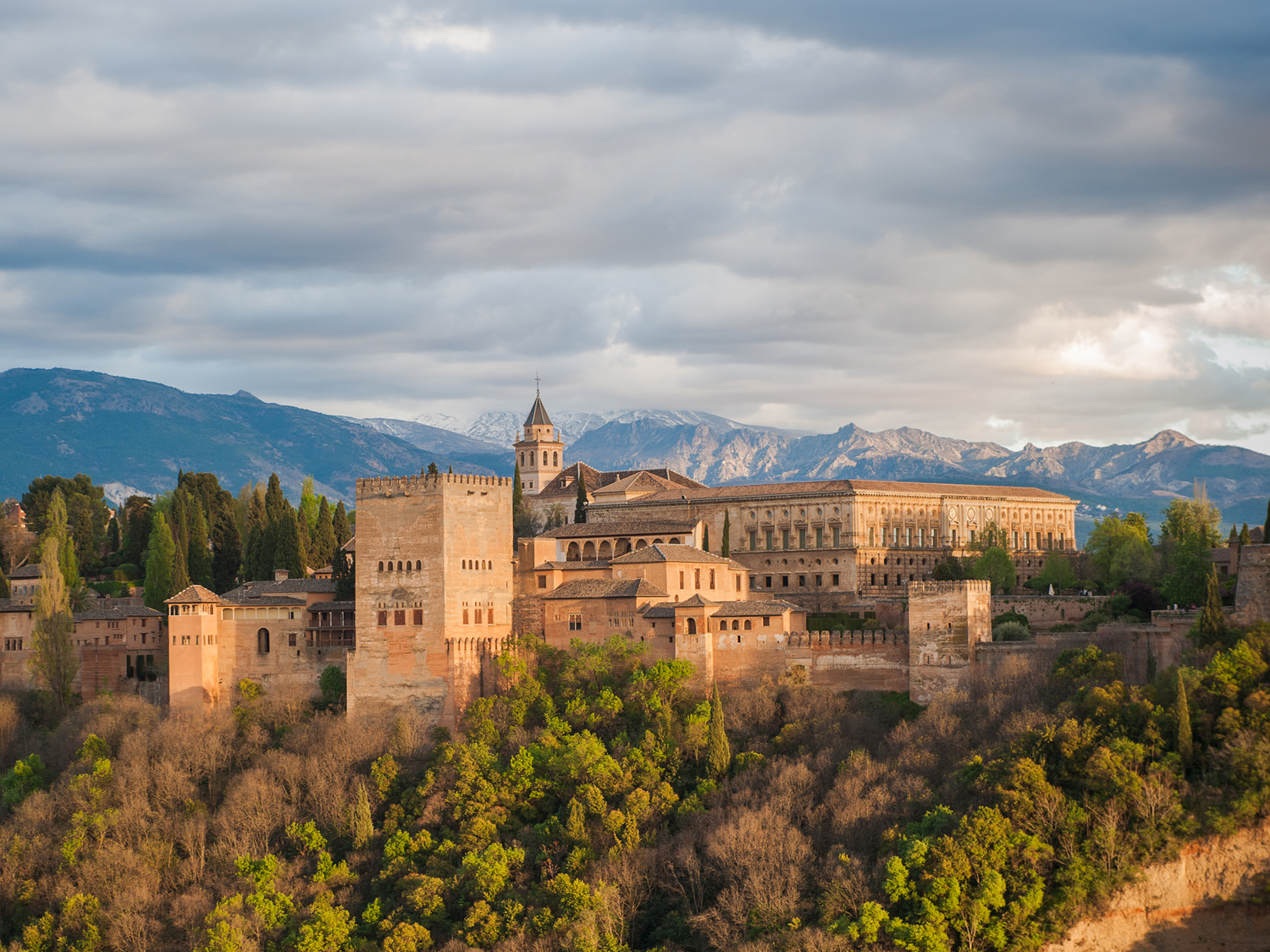
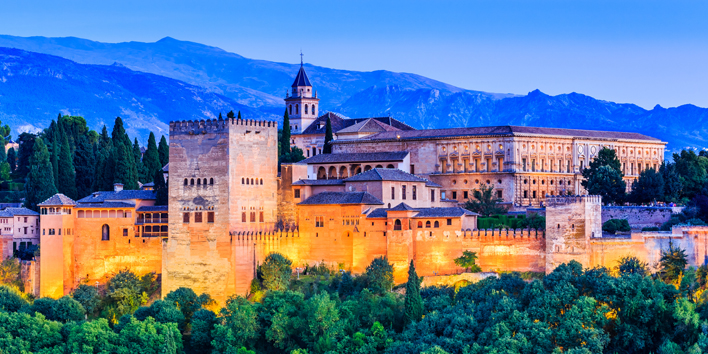
• Andalusia: Famous for flamenco, bullfighting, and Moorish architecture. Cities like Seville, Granada, and Cordoba are home to historical landmarks like the Alhambra and the Mezquita.
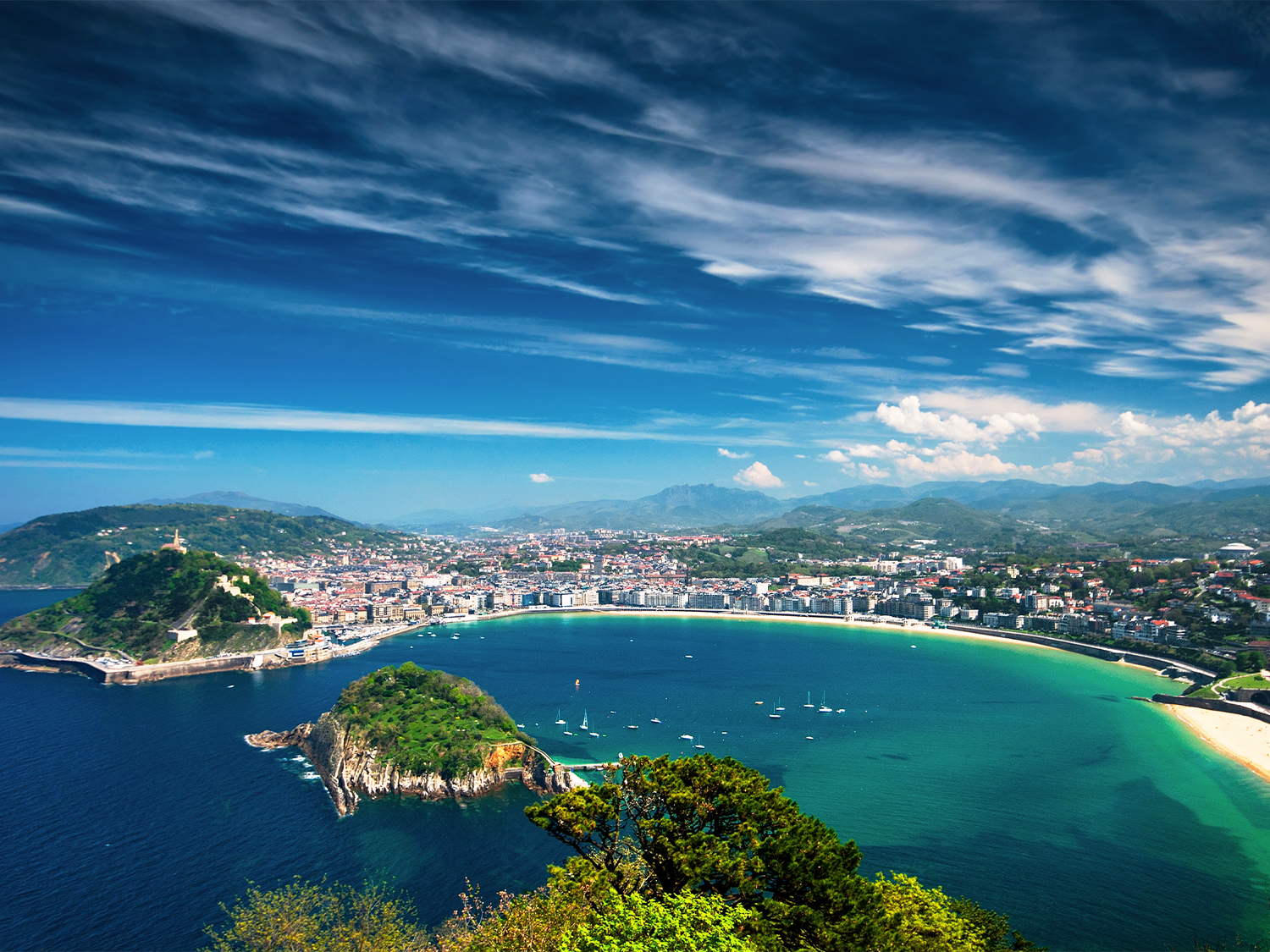
• Basque Country: Renowned for its unique Basque language (Euskara) and delicious pintxos (small tapas-like dishes). Bilbao and San Sebastián are top food destinations.
Tip: If you are visiting regions like Catalonia or the Basque Country, it’s a nice gesture to learn a few phrases in the local language (Catalan or Euskara).
Travel through Spain on a Guided Tour
Spain is a beautiful and diverse country that offers a little something for every kind of traveler. Whether you're exploring the art and history of Madrid, relaxing on the beaches of Costa Brava, or discovering the charm of the small towns in Andalusia, understanding the local culture, customs, and practical aspects can greatly enhance your experience. By staying informed about the local currency, connectivity, safety, and sustainability practices, you’ll not only have a more enjoyable trip but also contribute positively to the communities you visit.
So, pack your bags and get ready to immerse yourself in the sights, sounds, and flavors of Spain. ¡Buen viaje!