On The Go Tours
Our agents are waiting to chat to you...
Are you a Travel Agent or Customer?
Do you have an booking reference?
Best Time to Visit Spain
When do you want to go?
2025
I'm flexible
Passengers
Adults (18+)
Children (0 - 17)
Planning a trip to Spain? Choosing the right time to visit can transform your experience, from sun-soaked beaches to vibrant festivals and charming city streets. This guide breaks down the best months to explore Spain, weather patterns, crowds, and must-see events so you can plan the perfect Spanish getaway.
Spring in Spain (March to May)
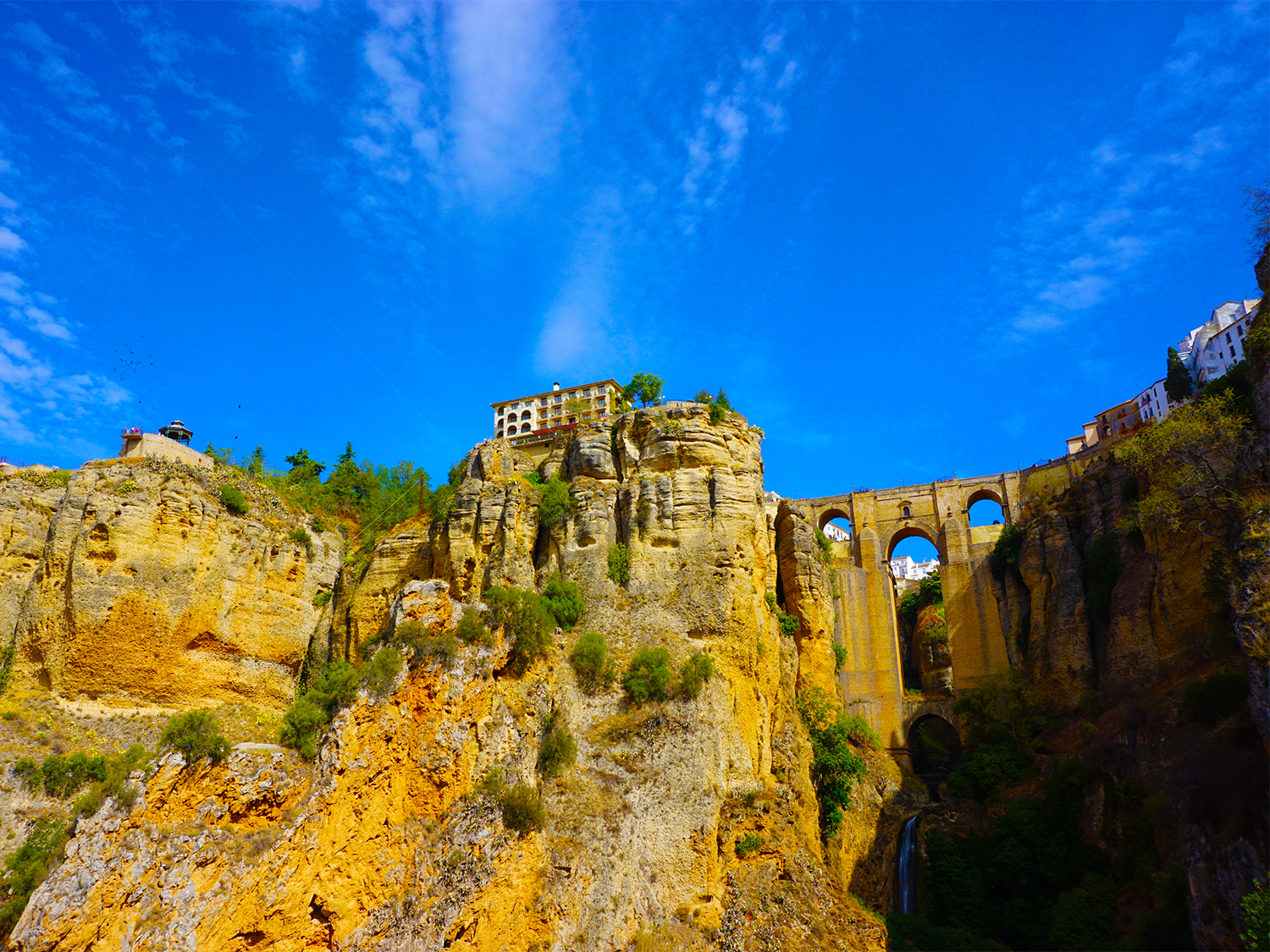
Spring is one of the most beautiful times to visit Spain. The weather is mild, flowers bloom, and the country comes alive with cultural festivals. It’s ideal for travellers who want a balance of sightseeing, cultural experiences, and outdoor activities without the summer crowds.
Weather
Average 15-22°C (59–72°F). Northern Spain can be rainy, while southern Andalusia enjoys sunny days. Nights are cooler, especially in central Spain.
Rainfall: Light to moderate, especially in northern regions like Galicia and the Basque Country. Southern Spain is drier.
Sunlight: Increasing daylight hours, around 10-13 hours, perfect for sightseeing and outdoor adventure.
Crowds
Moderate; perfect for sightseeing without the summer rush.
Activities for Spring Travel:
Hiking & Nature: Sierra Nevada, Pyrenees, Picos de Europa, and northern coastal trails
Beach Preview: Southern Spain’s Costa del Sol and Costa de la Luz become pleasantly warm for early beach days
Culinary Tours: Spring produce season—try asparagus, artichokes, strawberries, and fresh seafood
City Sightseeing: Comfortable temperatures make walking tours and city exploration enjoyable
Why Spring Stands Out:
Fewer tourists than summer but lively city atmospheres
Pleasant weather for outdoor activities and sightseeing
Festivals and cultural events are in full swing
Nature in bloom—gardens, vineyards, and countryside are at their most beautiful
Regional Highlights
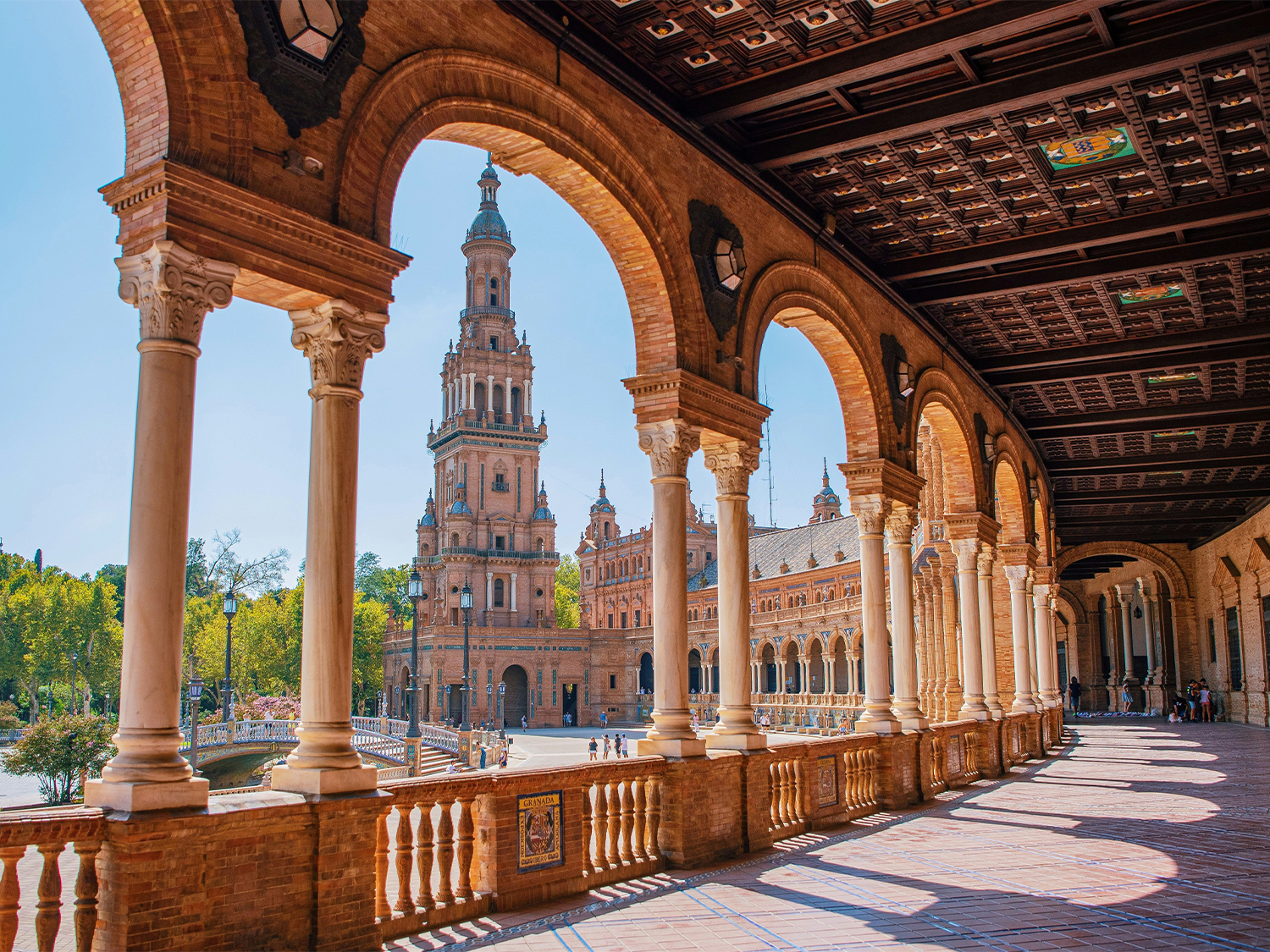
Andalusia (Seville, Cordoba, Granada):
• Temperatures: 18–25°C (64–77°F)
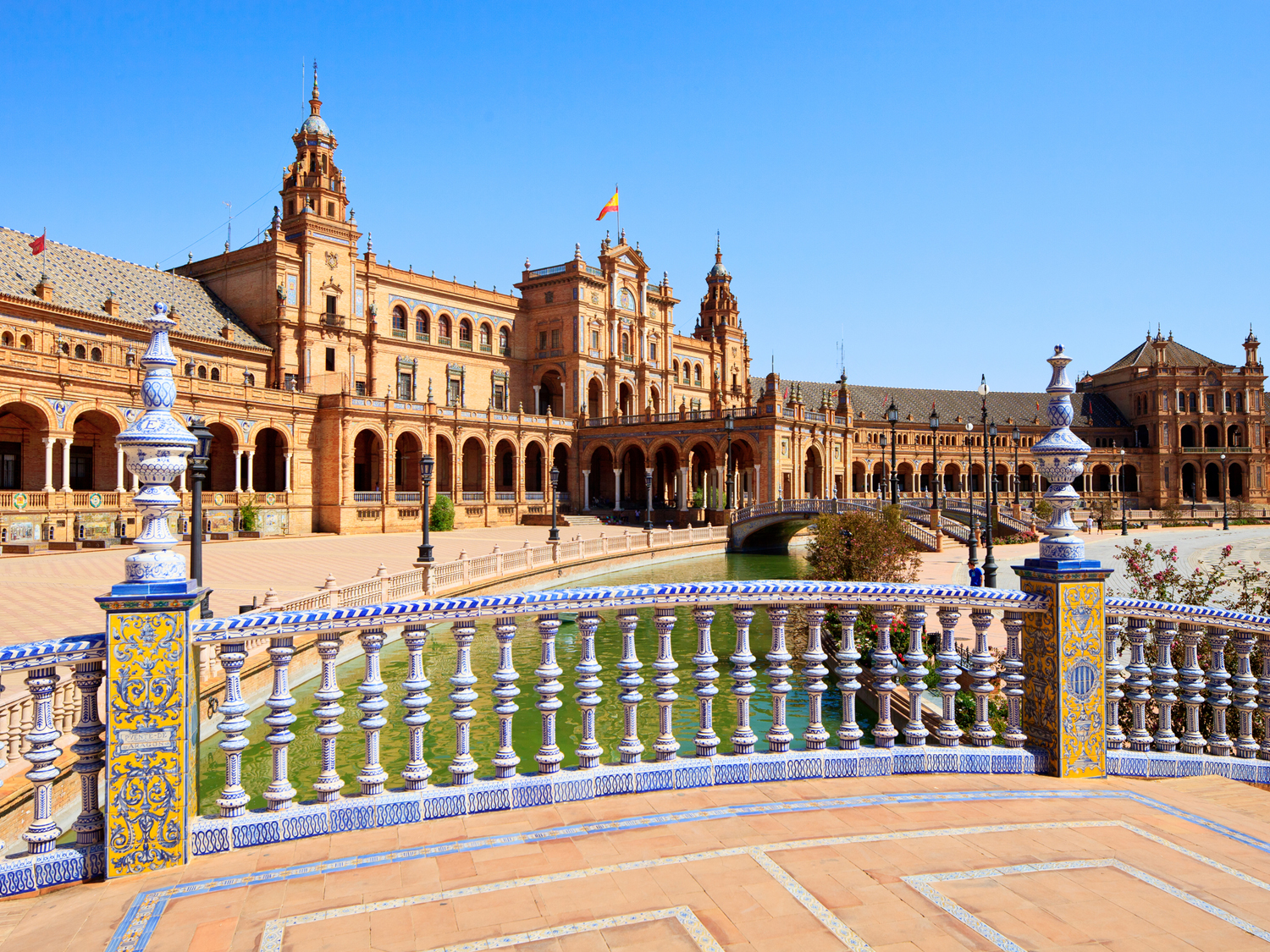
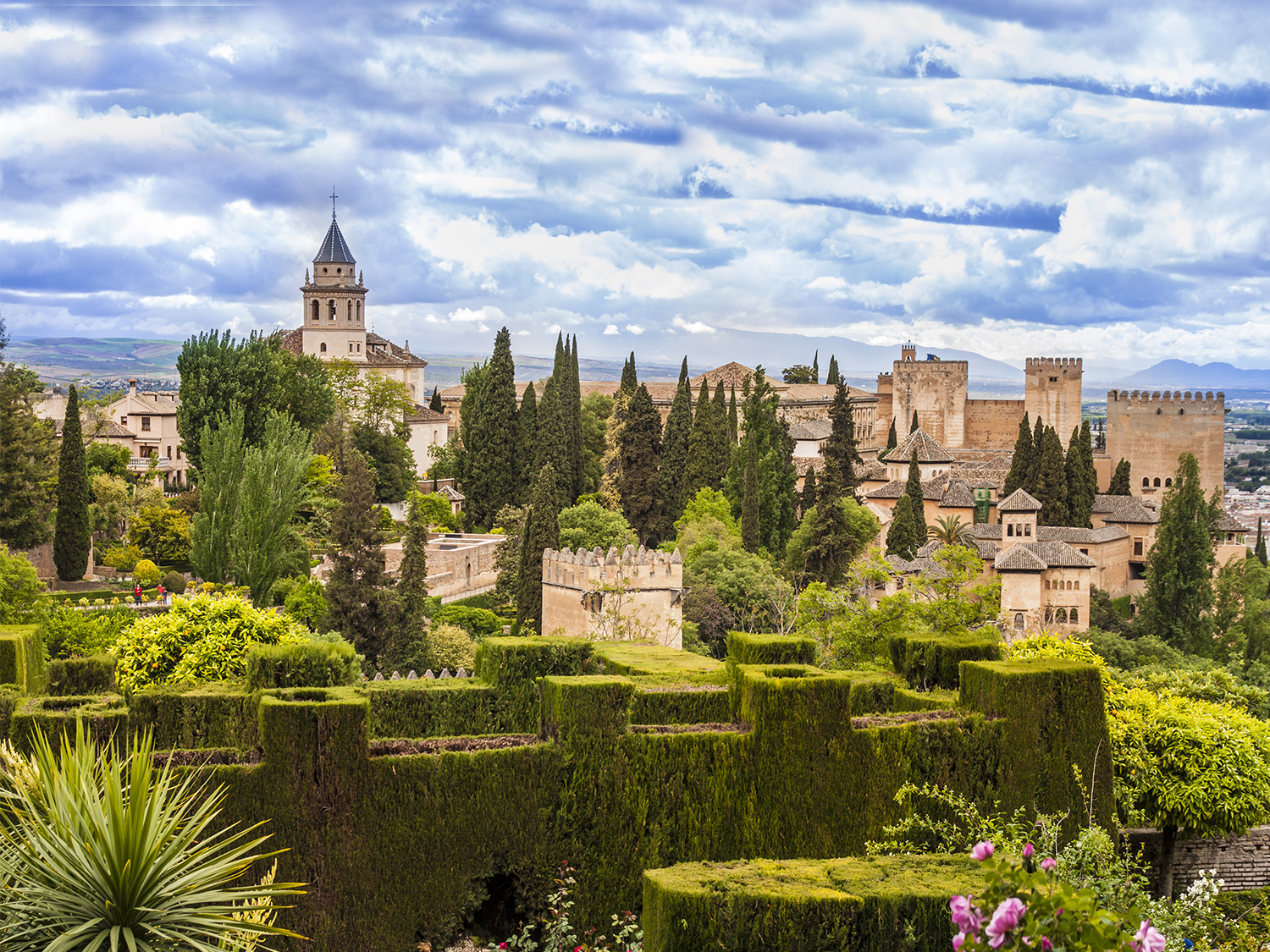
• Mostly sunny and dry, perfect for exploring historic palaces, gardens, and cobbled streets.
• Ideal for hiking in Sierra Nevada foothills or enjoying tapas on a terrace.
Catalonia (Barcelona, Costa Brava):
• Temperatures: 16–21°C (61–70°F)
• Mediterranean breeze keeps it fresh, with occasional spring showers.
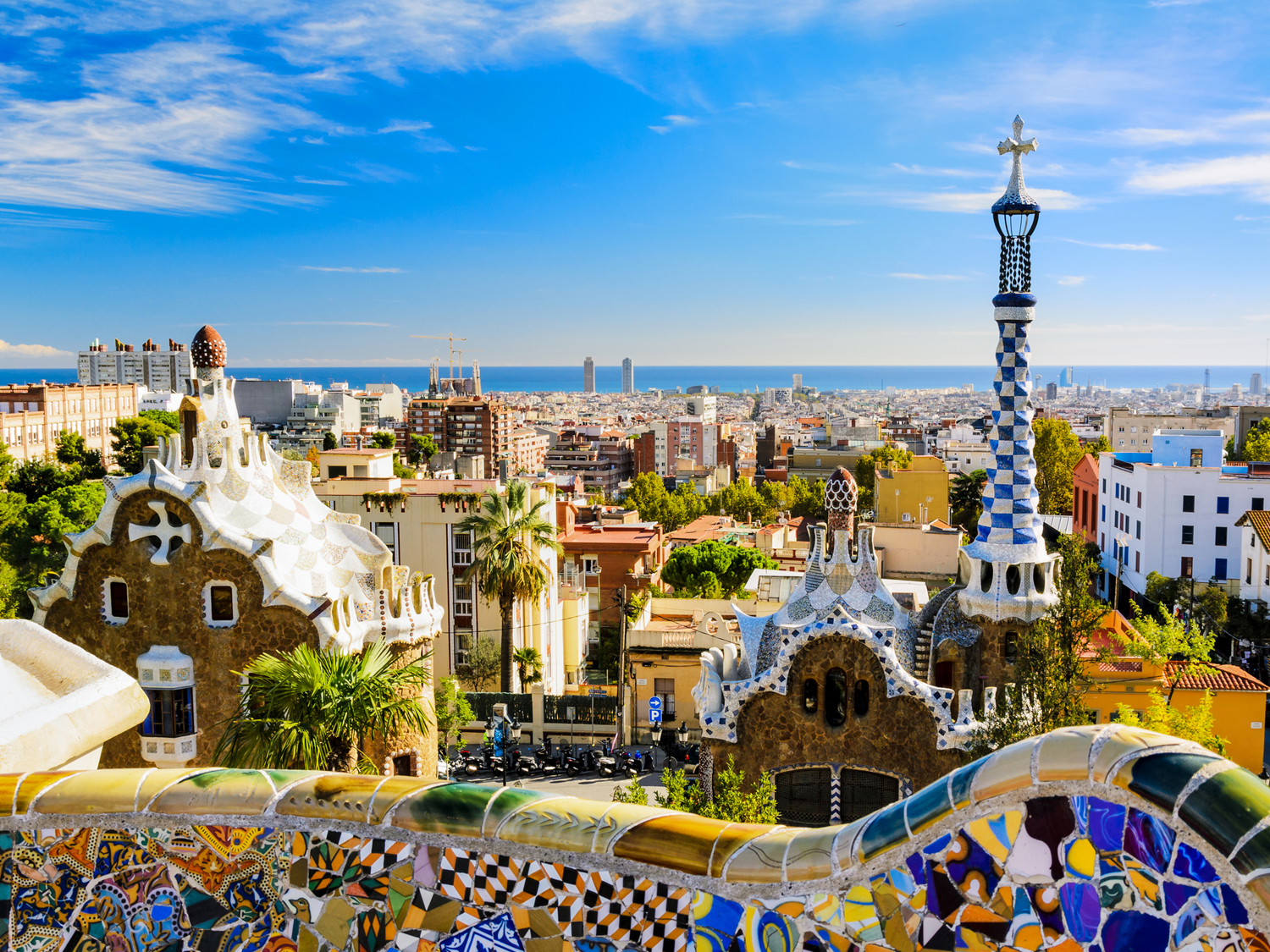
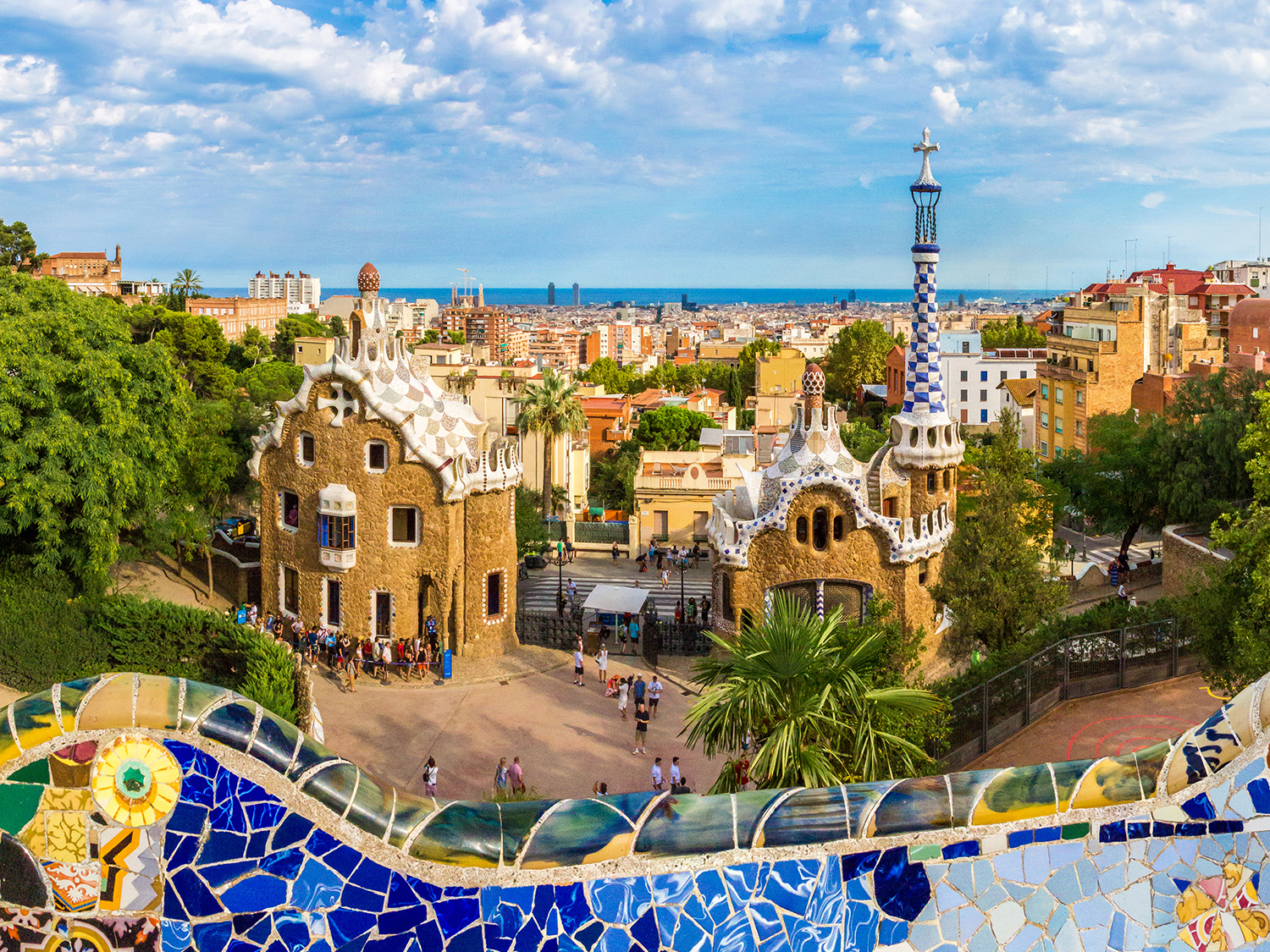
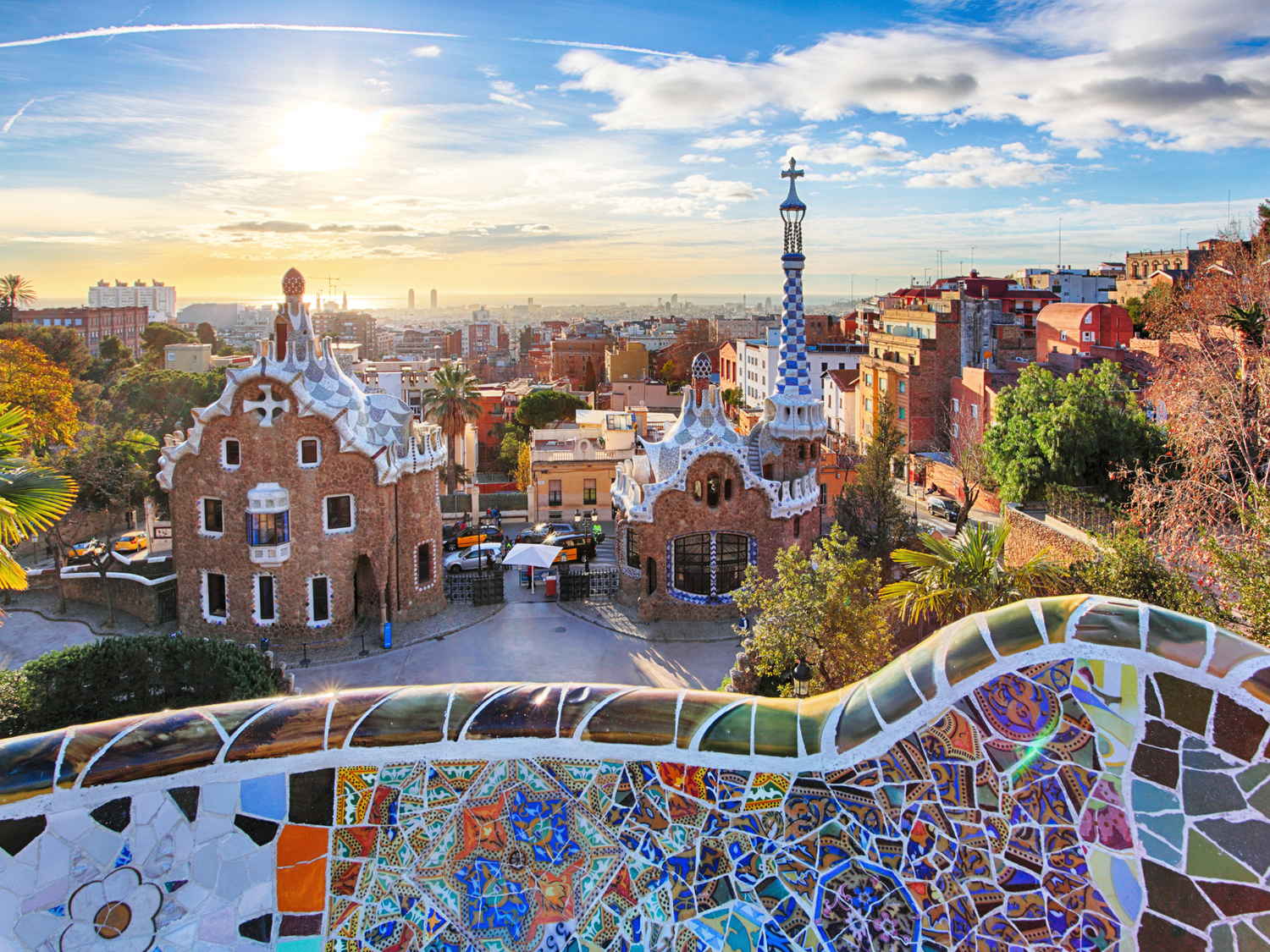
• Beaches are pleasant but not crowded. Perfect for city strolls, bike tours, and Gaudí architecture sightseeing.
Madrid and Central Spain
• Temperatures: 15–20°C (59–68°F)
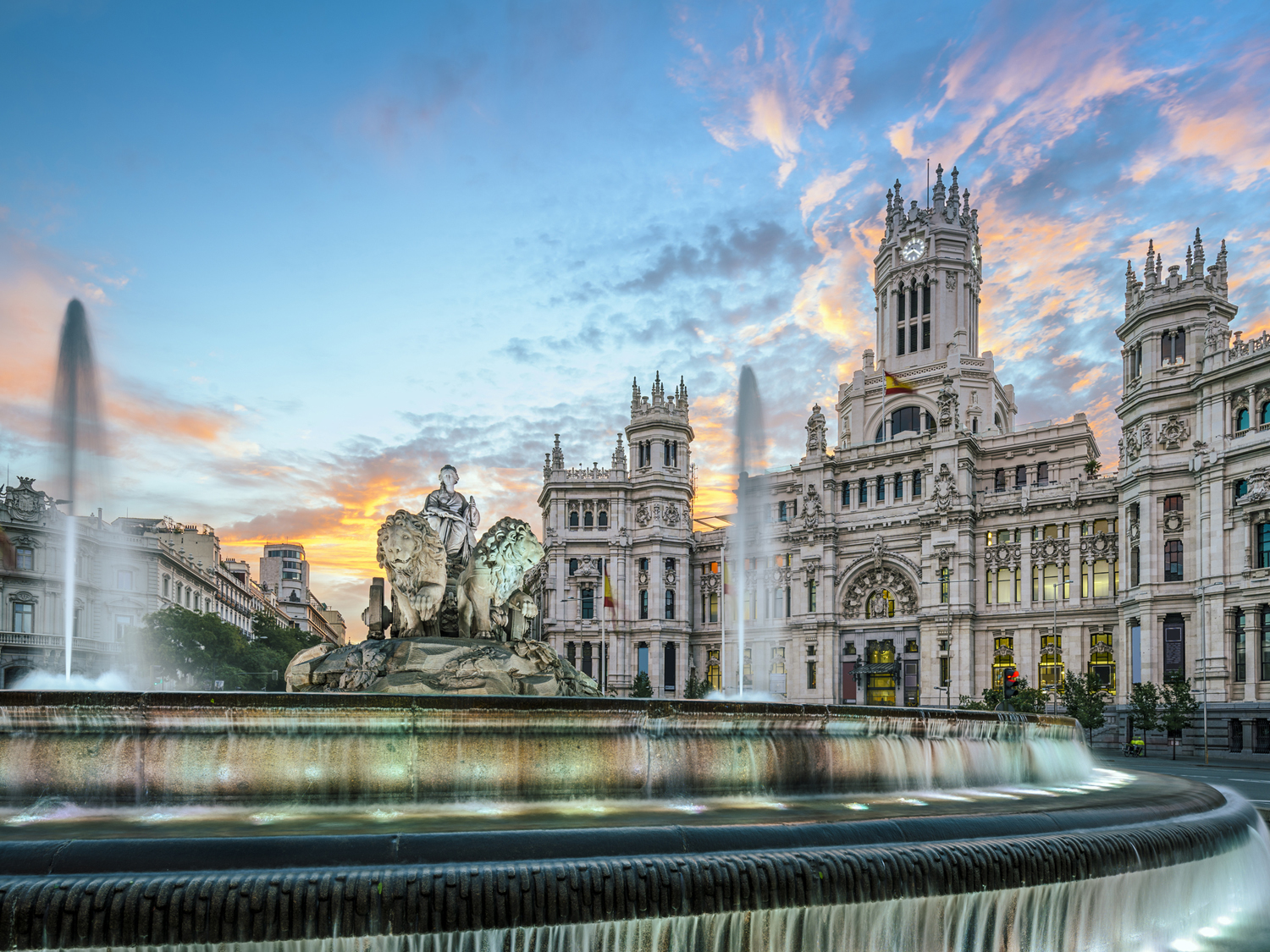
• Cooler mornings, warm afternoons; great for museum visits, historic tours, and parks like Retiro.
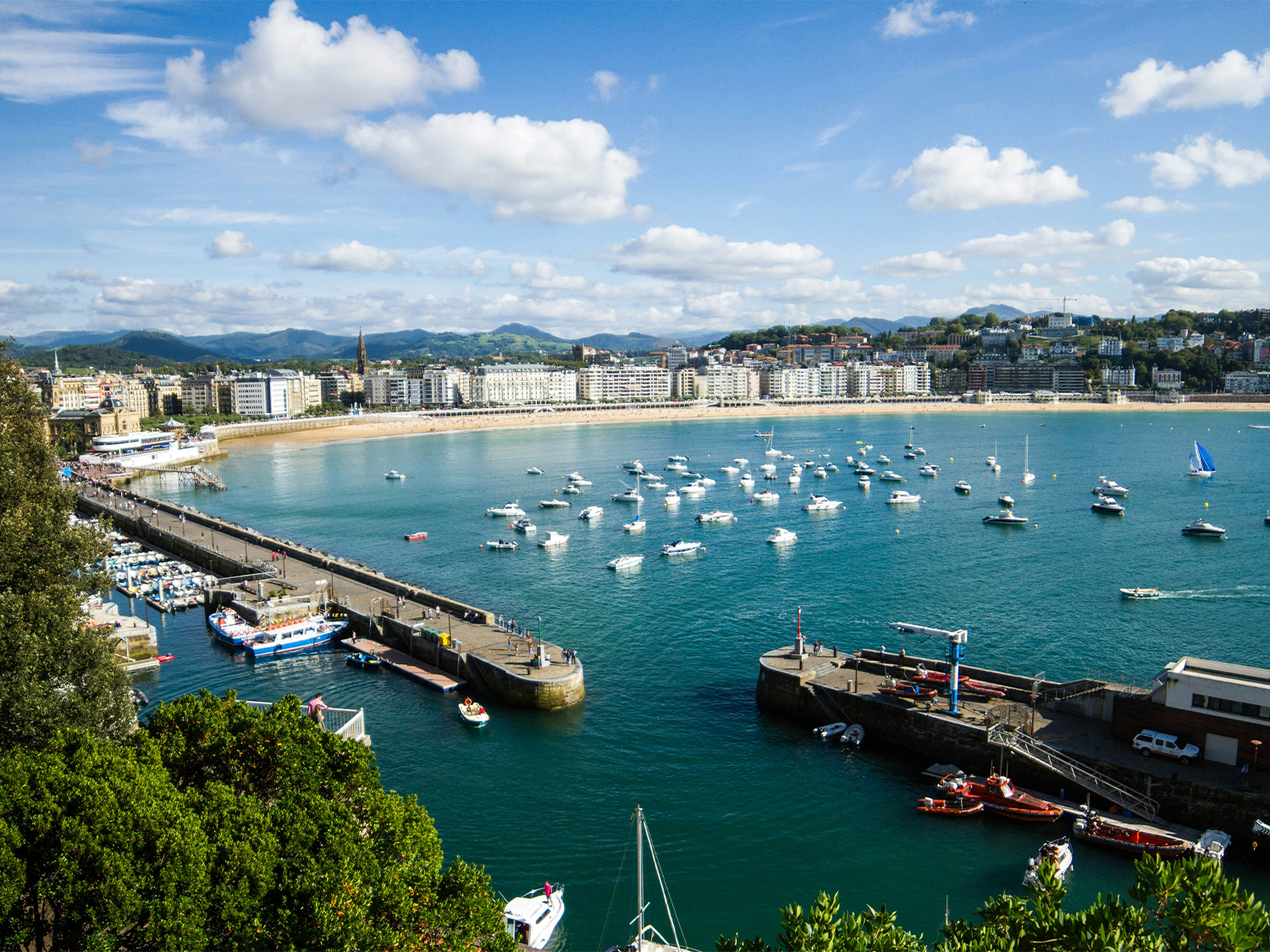
Northern Spain (Basque Country, Galicia, Asturias)
• Temperatures: 12–18°C (54–64°F)
• Rain is more frequent, but the lush greenery is spectacular.
• Ideal for coastal drives, hiking, and sampling seafood specialties.
Spain Festivals and Events in Spring
Spring in Spain is a season of cultural celebrations, where the streets come alive with music, colour, and tradition. One of the most famous events is Semana Santa, or Holy Week, which takes place in March or April depending on Easter. Cities like Seville, Malaga, Granada, and Valladolid host elaborate processions with beautifully adorned floats, traditional costumes, and deeply moving rituals. Attending Semana Santa offers a unique glimpse into Spanish devotion and artistry, and it is widely regarded as one of the most photogenic and atmospheric events in Europe.
Shortly after, the Feria de Abril in Seville takes over the city with week-long celebration of flamenco, horse parades, and tapas. Streets and fairgrounds are transformed into a spectacle of music, dancing, and colours, where locals and visitors alike enjoy traditional Sevillian costumes and lively festivities from morning until night. It is one of the best times to experience the city’s culture in its most authentic form.
In Valencia, March brings the explosive and spectacular Las Fallas festival. Gigantic papier-mâché sculptures dominate the streets, accompanied by parades, fireworks, and street parties. This festival is a perfect example of Spanish creativity and exuberance, attracting thousands of visitors eager to witness the artistic displays and nightly firework shows.
Meanwhile, in Cordoba, the Patios Festival in May invites visitors into the city’s private courtyards, which are bursting with flowers and traditional Andalusian charm. Local homeowners open their colorful patios to the public, offering a serene and beautiful experience that contrasts with the high-energy festivals elsewhere. Walking through these floral courtyards is a perfect way to enjoy the delicate beauty of spring in Spain.
Together, these festivals make spring a season of color, celebration, and cultural immersion, offering travelers the opportunity to enjoy Spain’s traditions, cuisine, and arts in some of its most beautiful cities.
Must-See Festivals:
• Semana Santa (Holy Week): Vibrant processions across Seville, Malaga, and Granada.
• Feria de Abril (April Fair): Seville’s iconic festival of flamenco, parades, and tapas.
• Las Fallas (Valencia, March): Spectacular firework displays and giant sculptures.
Travel Tip:
Pack layers—mornings can be chilly, afternoons pleasantly warm. Spring is perfect for walking tours, sightseeing, and hiking.
Summer in Spain (June to August)
Summer in Spain is a time of long days, festivals, and beach escapes, but it’s also the hottest season in central and southern Spain.
Weather
Summer in Spain is synonymous with sun-soaked days and long, warm evenings. The weather varies widely depending on the region. Southern Spain, especially Andalusia, experiences the highest temperatures, often reaching 35°C (95°F) in Seville and Cordoba. Inland areas like Madrid also see intense heat, while northern Spain remains cooler, averaging 20–25°C (68–77°F), providing a comfortable escape from the southern sun. Coastal regions such as Costa del Sol and Costa Brava enjoy sunny skies and moderate humidity, ideal for beach days, swimming, and watersports. The Canary Islands maintain warm, pleasant conditions year-round, making them a favorite summer retreat.
Regional Highlights
Spain’s regions offer diverse experiences during the summer months:
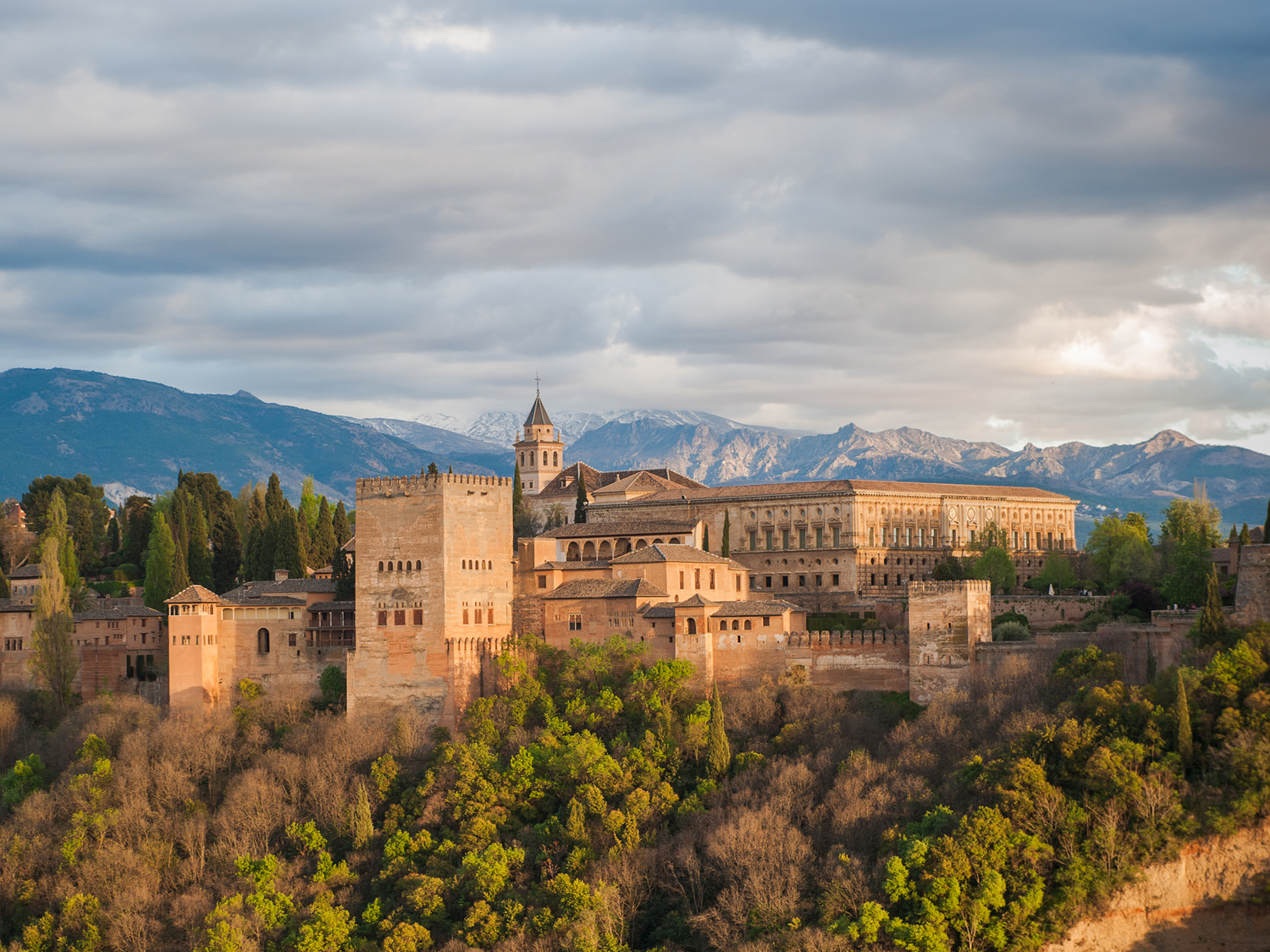
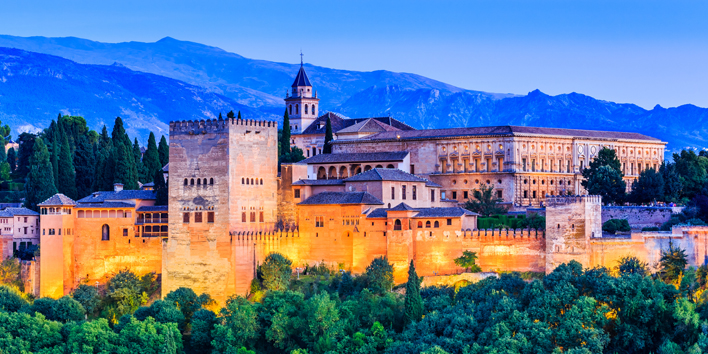
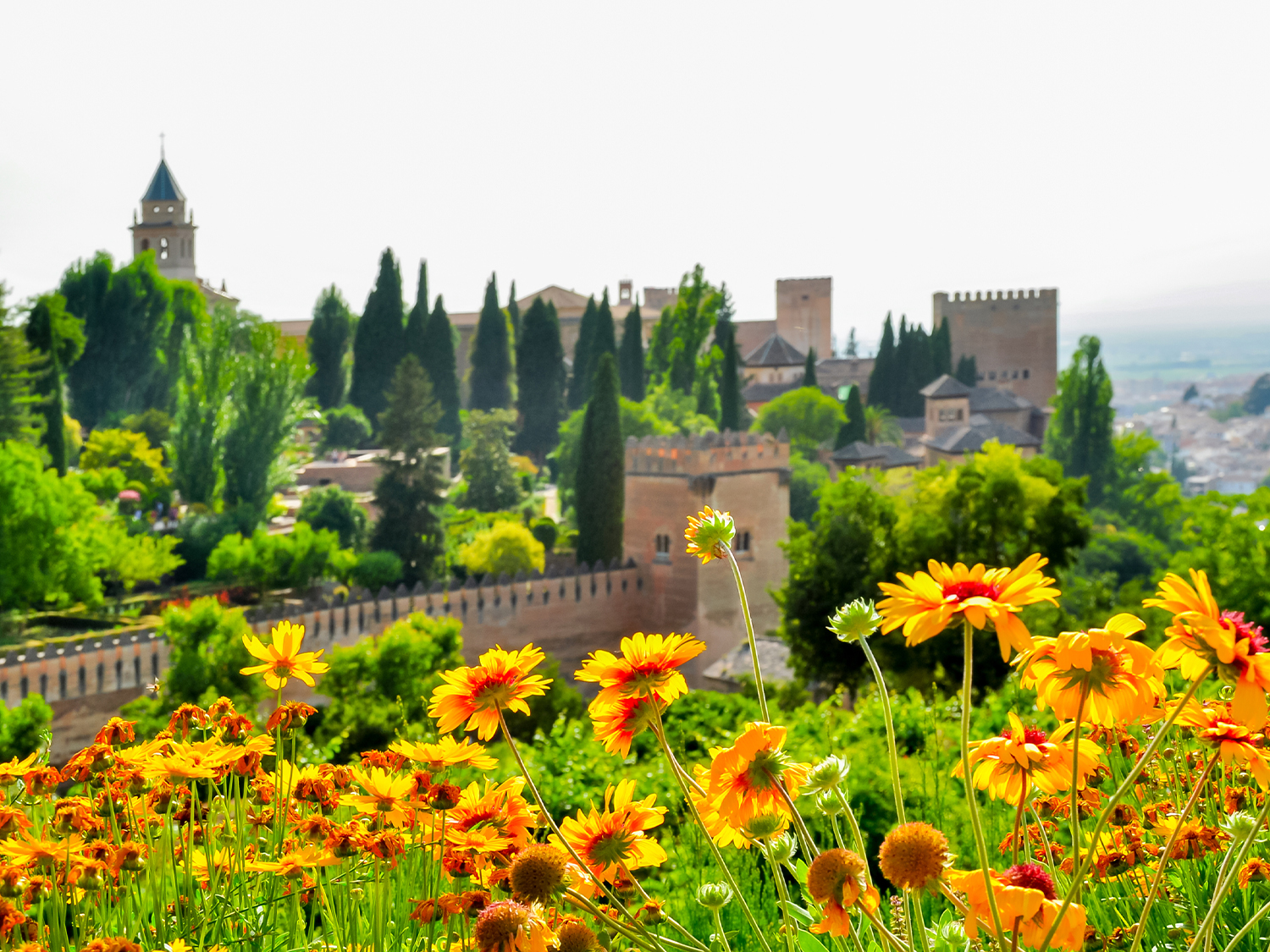
Andalusia – Hot but vibrant; ideal for exploring landmarks like the Alhambra in Granada or the Mezquita in Cordoba during cooler mornings and evenings.
Barcelona & Catalonia – Milder temperatures (25–28°C / 77–82°F); perfect for walking city streets, admiring Gaudí architecture, and enjoying Mediterranean beaches.
Northern Spain (Basque Country, Galicia, Asturias) – Cooler and green; excellent for hiking, coastal exploration, and sampling fresh seafood.
Canary Islands – Tropical climate year-round; great for volcanic landscapes, pristine beaches, snorkeling, and hiking.
Festivals & Events
Summer is festival season across Spain, and the country comes alive with vivid cultural celebrations and lively street events. In July, San Fermín in Pamplona attracts visitors worldwide for the thrilling running of the bulls and week-long festivities full of music, dancing, and parades. August brings La Tomatina in Buñol, the world’s largest tomato fight, offering a uniquely playful and unforgettable experience. Music lovers flock to festivals such as Primavera Sound in Barcelona and Mad Cool Festival in Madrid, featuring international artists and a lively atmosphere. Coastal towns host local summer fiestas with fireworks, dancing, and culinary events celebrating regional traditions.
Must-See Festivals
Spain’s summer festivals are world-famous and unforgettable. Some of the must-see events include:
San Fermín (Pamplona, July): The iconic running of the bulls combined with music, parades, and week-long street celebrations.
La Tomatina (Buñol, August): The world’s largest tomato fight, a playful and unique festival experience.
Flamenco Festivals (Andalusia, June–August): Traditional dance and music performances in cities like Seville, Granada, and Jerez.
Seafood Festivals (Galicia, July–August): Celebrations of the region’s fresh seafood with tastings, parades, and local culture.
Beach Fiestas (Mediterranean Coast, June–August): Coastal towns hosting fireworks, music, dancing, and summer celebrations.
Attending these festivals allows travelers to immerse themselves in Spanish culture, enjoy local cuisine, and experience music, dance, and vibrant community celebrations.
Autumn in Spain (September to November)
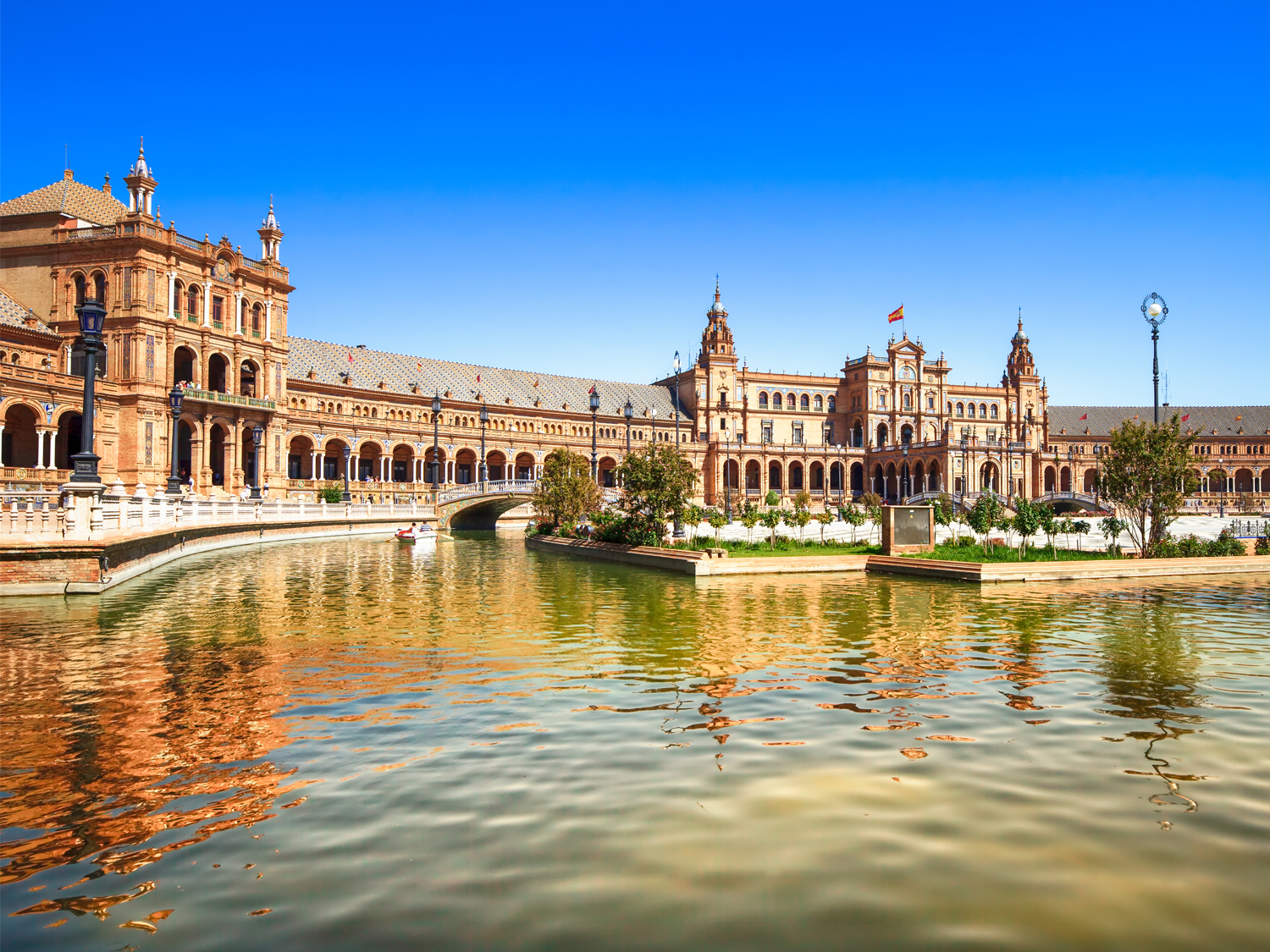
Autumn is perfect for travellers seeking mild weather, fewer crowds, and rich cultural experiences.
Weather
Autumn in Spain is a season of mild temperatures, fewer crowds, and golden landscapes. Early autumn, in September, can still feel like summer, especially in the south, with temperatures around 25–30°C (77–86°F). By November, the weather cools down considerably, averaging 15–20°C (59–68°F) in most regions. Rainfall increases in the north, particularly in Galicia, Asturias, and the Basque Country, while southern and eastern coastal areas remain relatively dry. Daylight hours gradually shorten, but the climate is perfect for sightseeing, hiking, and cultural exploration without the intense heat of summer.
Regional Highlights
Spain’s regions each showcase distinct autumn experiences:
Andalusia: Comfortable temperatures make it ideal for exploring the Alhambra in Granada or Seville’s historic streets without summer crowds.
Barcelona & Catalonia: Pleasant weather perfect for city walks, beach strolls, and visiting Gaudí landmarks.
Northern Spain (Galicia, Asturias, Basque Country): Lush green landscapes and cooler temperatures offer excellent hiking and charming coastal towns to explore.
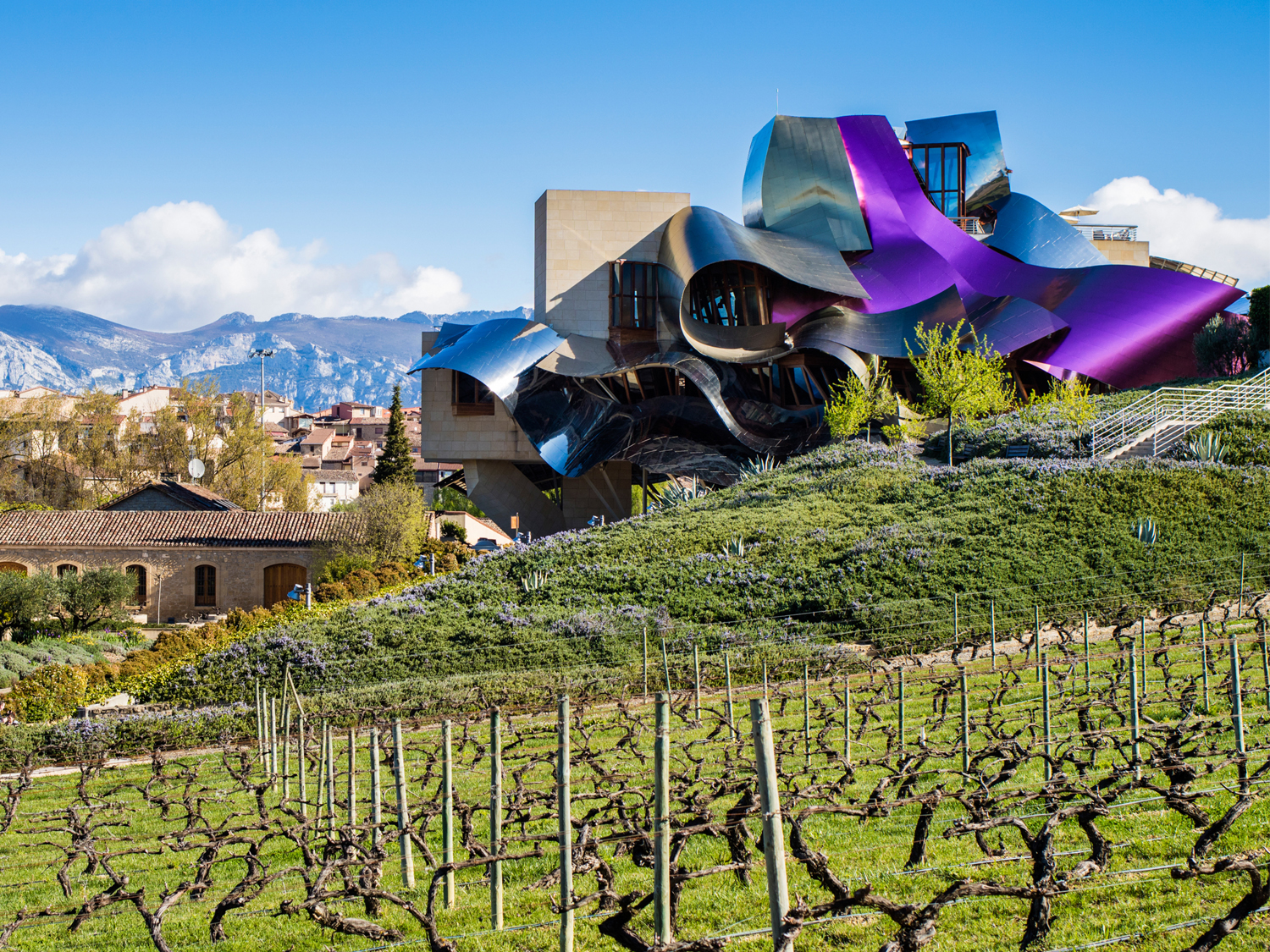
Wine Regions (La Rioja, Ribera del Duero): Harvest season provides opportunities for vineyard tours, grape stomping, and wine tastings.
Festivals & Events in Autumn
Autumn is rich with cultural festivals, food fairs, and local celebrations. September marks the Fiestas de la Vendimia (grape harvest festivals) across wine regions, where visitors can join wine tastings, vineyard tours, and traditional celebrations. Barcelona’s La Mercè festival, held in September, is a spectacular citywide event featuring parades, concerts, firework displays, and human tower competitions called castells. October brings All Saints’ Day celebrations and local autumn fairs throughout Spain, where towns showcase regional food, crafts, and music. The cooler weather and cultural focus make autumn an ideal season for city festivals and countryside exploration alike.
Some of the must-see autumn festivals in Spain include:
La Mercè (Barcelona): A citywide celebration in September featuring parades, concerts, fireworks, and traditional human tower competitions (castells).
Grape Harvest Festivals (La Rioja, Ribera del Duero): Celebrations of the wine harvest with vineyard tours, tastings, and grape-stomping events.
Regional Autumn Fairs (Galicia, Valencia, Andalusia): Smaller festivals showcasing local food, crafts, folk dances, and music.
Flamenco Festivals (Andalusia): Performances held in historic venues, offering an intimate and authentic cultural experience.
Travel Tips
Pack layered clothing to adapt to fluctuating morning, afternoon, and evening temperatures.
Take advantage of seasonal produce, including grapes, chestnuts, mushrooms, and citrus fruits.
Plan outdoor activities and sightseeing during the mildest parts of the day for comfort.
Use autumn to explore vineyards, countryside, and smaller towns, avoiding summer crowds.
Consider booking accommodations and festival tickets in advance for popular events.
Winter in Spain (December to February)
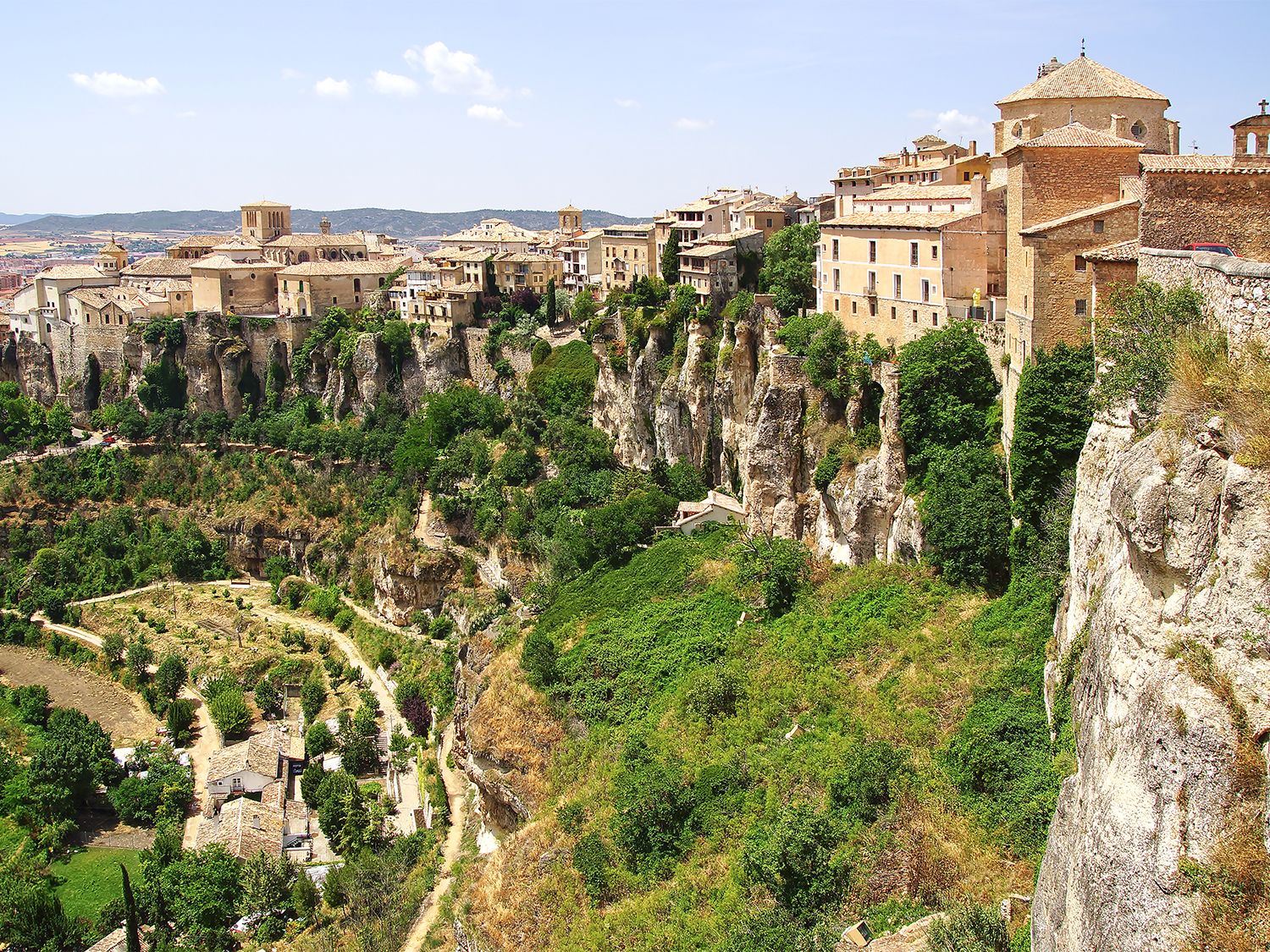
Winter offers a quieter Spain, perfect for cultural tourism, holiday markets, and skiing in the mountains.
Weather
Winter in Spain brings cooler temperatures, crisp skies, and seasonal festivities. Southern regions like Andalusia remain mild, averaging 10–16°C (50–61°F), while central Spain, including Madrid, can experience colder days around 5–10°C (41–50°F), with occasional frost. Northern Spain is the coldest, especially in the Pyrenees and Cantabrian Mountains, where snow is common and temperatures can drop below 0°C (32°F). Coastal areas, such as Costa del Sol, stay relatively mild, making them ideal for winter sun, while the Canary Islands maintain a comfortably warm climate year-round, around 18–22°C (64–72°F). Winter is ideal for skiing, cultural trips, and exploring Spain’s cities without the crowds.
Regional Highlights
Spain’s regions offer diverse winter experiences:
Andalusia: Mild temperatures perfect for exploring historic cities like Seville, Granada, and Córdoba.
Madrid & Central Spain: Chilly but manageable weather for sightseeing, museums, and festive Christmas markets.
Northern Spain (Basque Country, Galicia, Asturias): Cooler, wet climate ideal for cozy gastronomy tours and scenic winter walks.
Pyrenees & Sierra Nevada: Snowy mountain ranges perfect for skiing, snowboarding, and winter sports.
Canary Islands: Warm and sunny, offering beaches, hiking trails, and outdoor adventures even in winter.
Festivals & Events
Winter in Spain is full of festive celebrations, cultural events, and unique local traditions. December brings Christmas markets, nativity displays (Belenes), and seasonal gastronomy throughout the country. New Year’s Eve is celebrated with grapes at midnight (Las Uvas de la Suerte) across towns and cities. January highlights the Cabalgata de Reyes (Three Kings Parade), a colorful procession marking Epiphany with sweets, music, and street performances. Winter also hosts ski festivals in the Pyrenees and Sierra Nevada, along with music and theater events in urban centers.
Must-See Festivals
Some of the must-see winter festivals in Spain include:
Cabalgata de Reyes (Three Kings Parade): Celebrated nationwide on January 5th with parades, sweets, and festivities for all ages.
Fallas de Invierno (Valencia, smaller scale): Winter edition of traditional fire festivals, including street art and fireworks.
Christmas Markets (Madrid, Barcelona, Seville): Markets offering seasonal crafts, gifts, and festive treats.
Ski Festivals (Pyrenees, Sierra Nevada): Winter sports competitions and mountain celebrations for ski enthusiasts.
Travel Tips for Winter
Dress in layers to manage fluctuating winter temperatures across different regions.
Book winter sports accommodations in advance if visiting ski resorts.
Take advantage of smaller crowds in cities and cultural sites for sightseeing.
Sample seasonal food and drinks, including roasted chestnuts, hot chocolate, and local stews.
Visit the Canary Islands or Andalusian coast for milder winter escapes and outdoor activities.
Month By Month Weather and Highlights
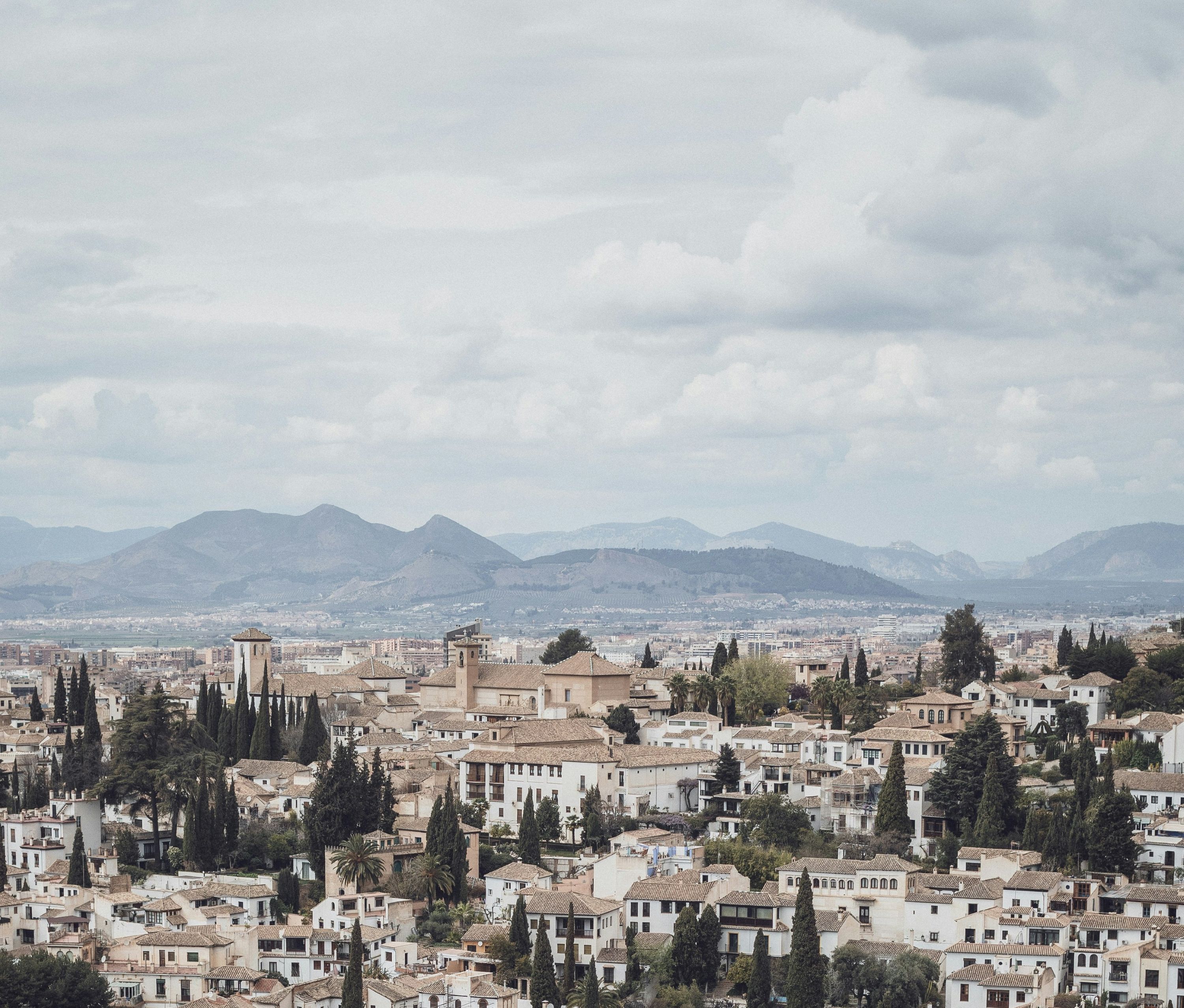
January
5–15°C (41–59°F), snowy mountains, holiday markets
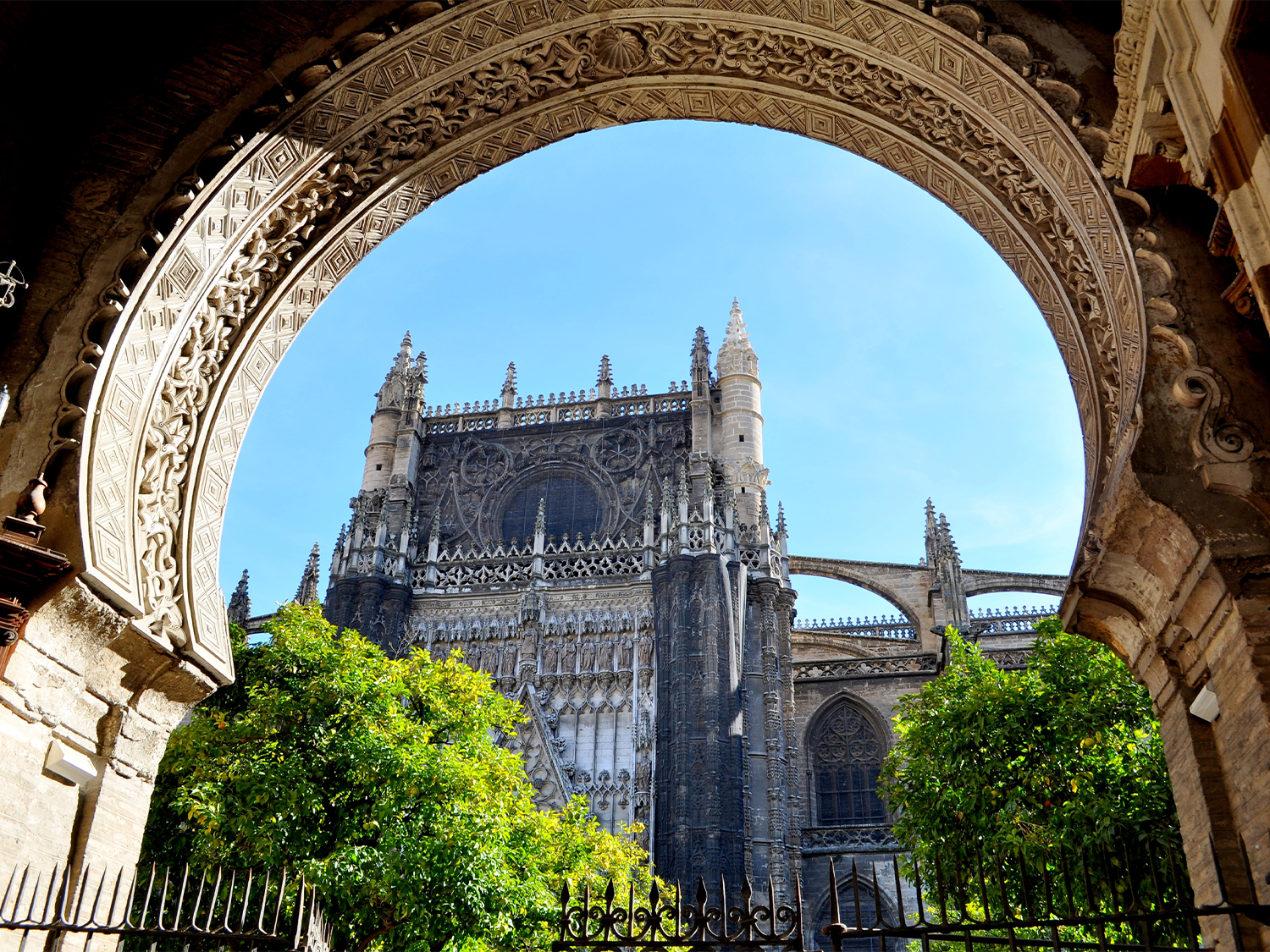
February
6–16°C (43–61°F), winter carnivals; ski resorts peak
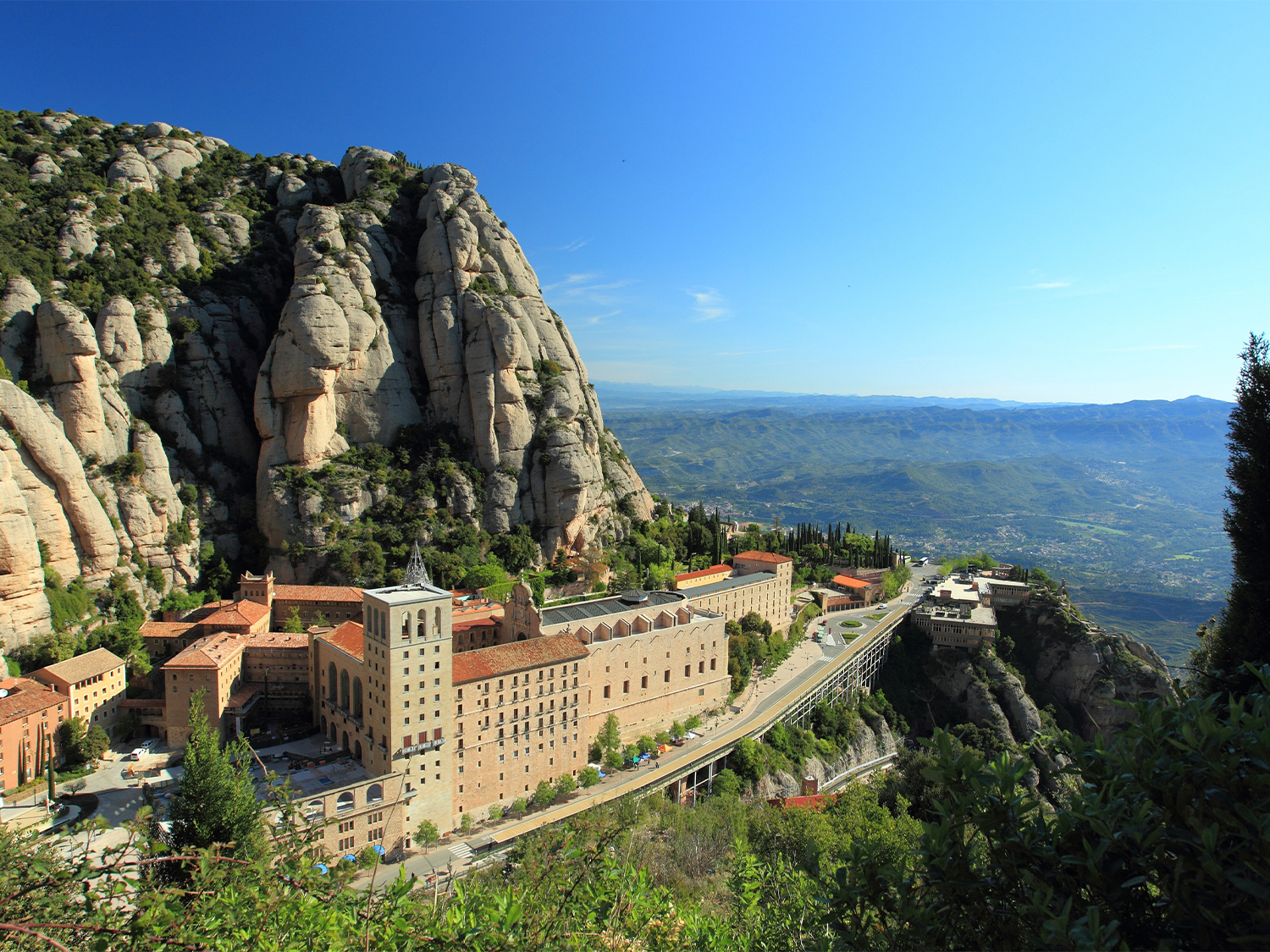
March
10–20°C (50–68°F), Las Fallas in Valencia, early spring blooms
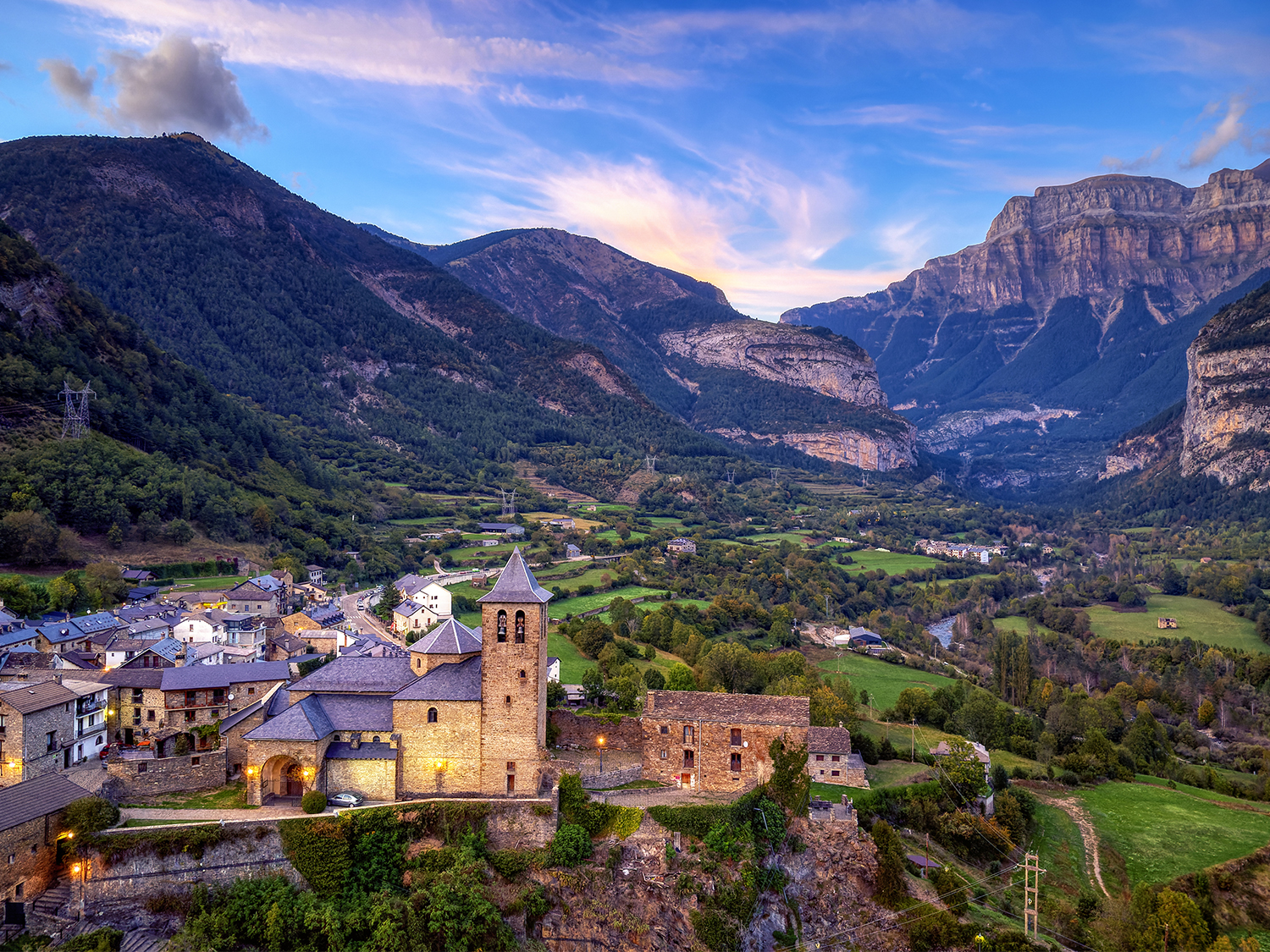
April
12–22°C (54–72°F), Feria de Abril in Seville, mild sightseeing
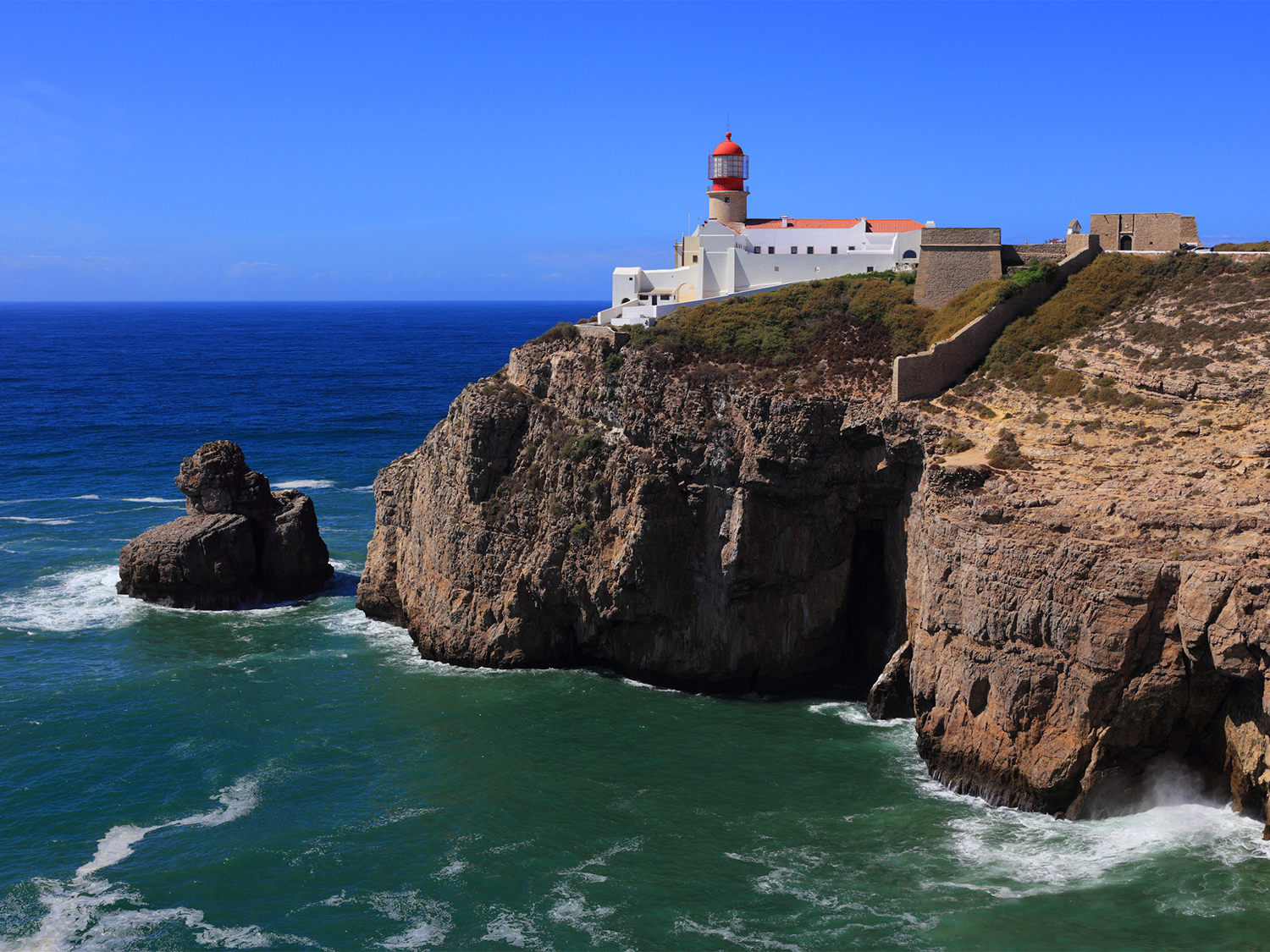
May
15–25°C (59–77°F), perfect for beach previews and cultural tours
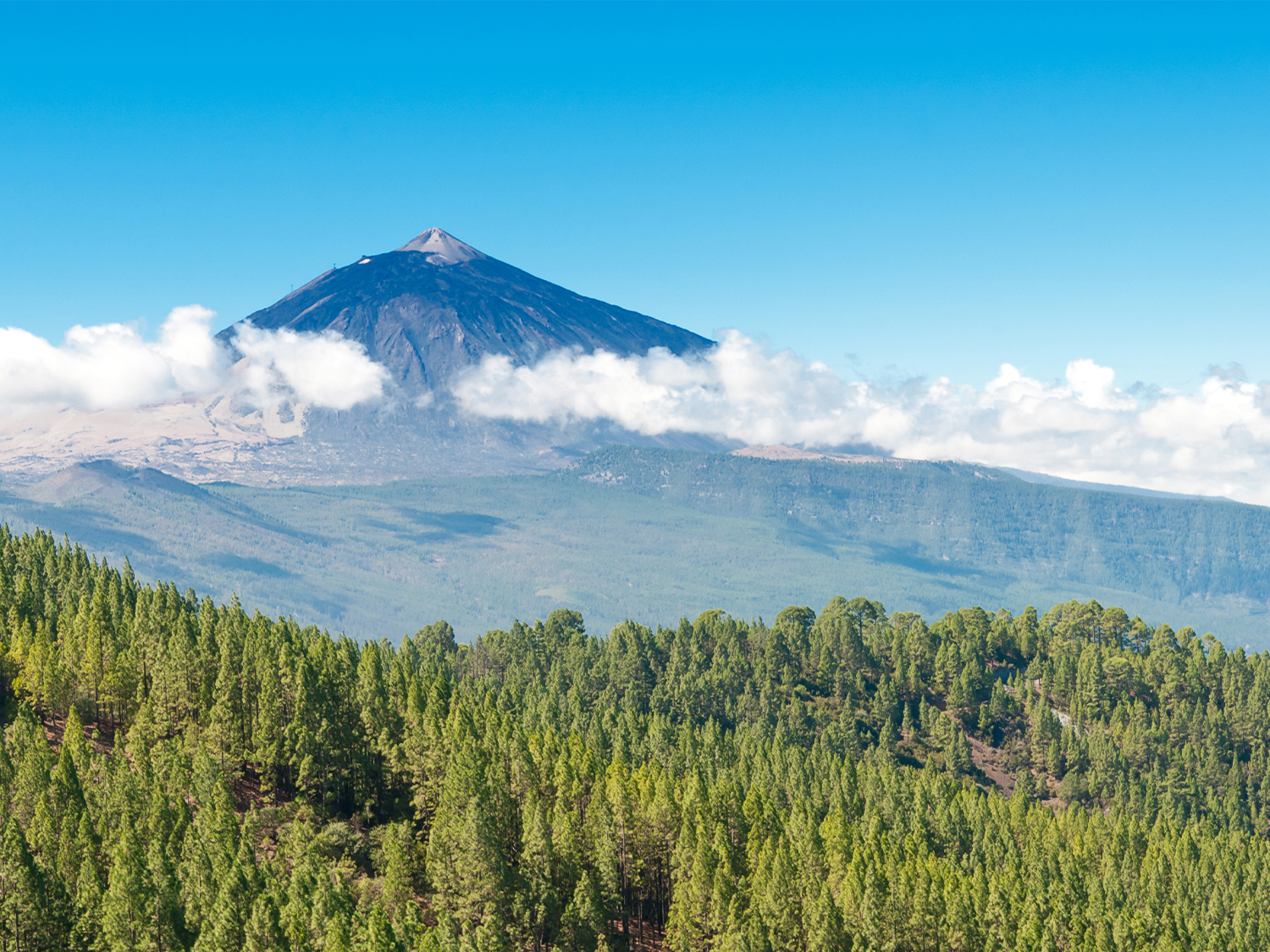
June
20–30°C (68–86°F), long daylight, music festivals, beaches open
July
25–35°C (77–95°F), San Fermín, peak summer crowds
August
25–35°C (77–95°F), La Tomatina, hottest coastal days
September
20–28°C (68–82°F), La Mercè, wine harvests
October
15–25°C (59–77°F), mild weather for hiking and vineyard tours
November
10–20°C (50–68°F), cultural trips, museums, fewer tourists
December
5–15°C (41–59°F), Christmas markets, Epiphany parades
Frequently asked questions
What is the best month to visit Spain?
The best month depends on your travel goals. Spring (March–May) and autumn (September–November) are ideal for mild weather, fewer crowds, and festivals.
When is Spain too hot for sightseeing?
Summer (June–August) can be very hot, especially in inland cities like Madrid and Seville, with temperatures often exceeding 35°C (95°F). Coastal areas are cooler.
What are the major festivals in Spain?
Spain hosts many festivals, including Semana Santa (Holy Week), Feria de Abril in Seville, La Tomatina in Buñol, San Fermín in Pamplona, and La Mercè in Barcelona.
Can I visit Spain year-round?
Yes! The Canary Islands have mild weather year-round, while the mainland offers winter skiing, spring cultural tours, summer beaches, and autumn wine festivals.
How does Spain’s weather vary by region?
Andalusia is warm year-round; northern Spain is cooler and wetter; central Spain experiences hot summers and cold winters; the Canary Islands remain mild.