On The Go Tours
Our agents are waiting to chat to you...
Are you a Travel Agent or Customer?
Do you have an booking reference?
Explore Alaska: A Guide to the Ultimate Wilderness AdventureDiscover Alaska’s breathtaking landscapes, diverse wildlife, and unforgettable experiences, from glacier hikes to Northern Lights viewing.
When do you want to go?
2025
I'm flexible
Passengers
Adults (18+)
Children (0 - 17)
Welcome to Alaska
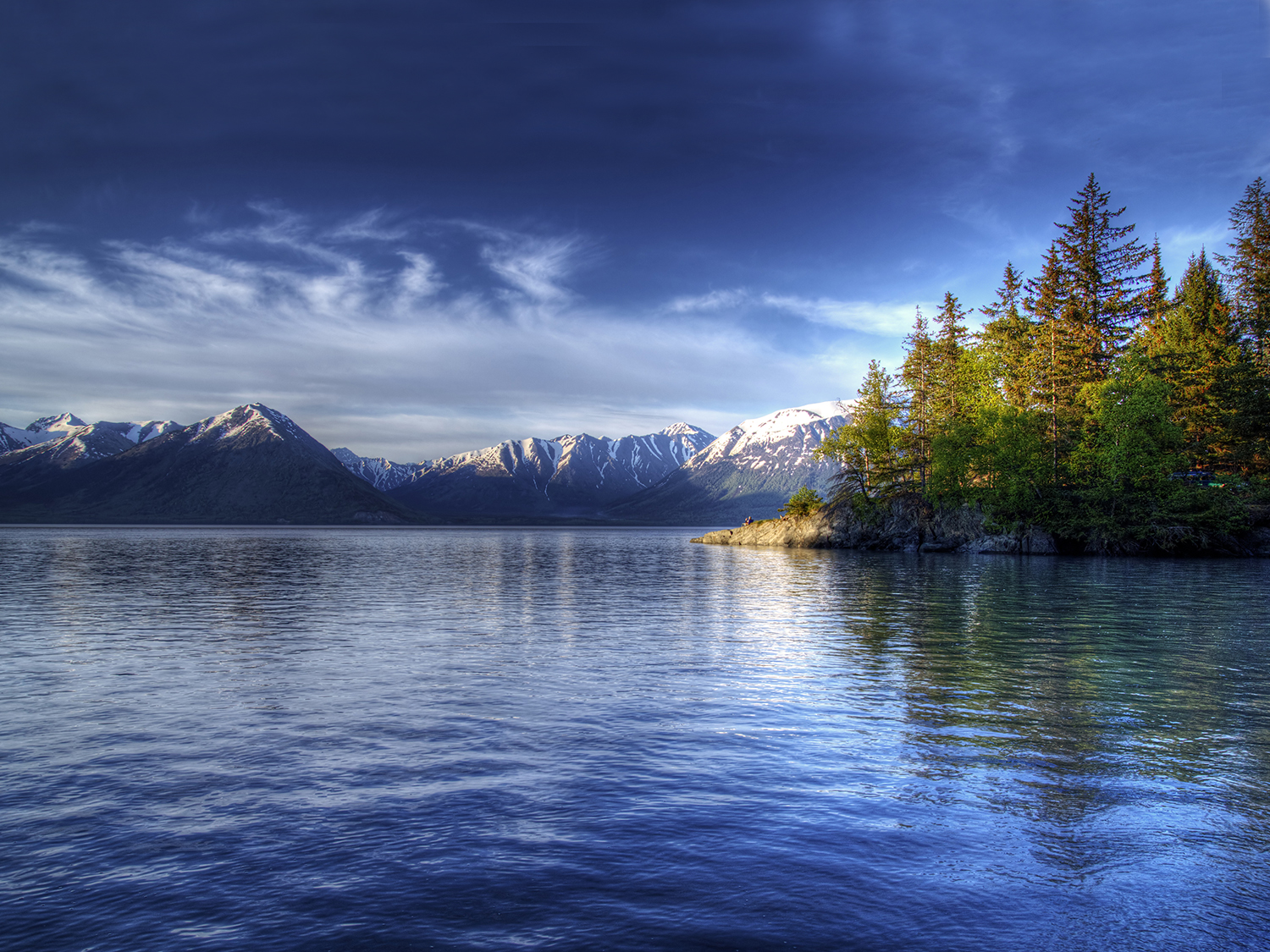
Alaska, the largest state in the United States, is a destination that offers a unique blend of untamed wilderness, towering mountains, and incredible wildlife. The state is known as the ‘The Last Frontier’, and it provides travellers with breathtaking landscapes, from massive glaciers and deep fjords to vast tundras and pristine forests. With its remote and rugged beauty, Alaska is a paradise for outdoor enthusiasts, wildlife lovers, and those seeking adventure off the beaten path.
For travellers, Alaska presents a variety of experiences year-round. Summer brings long daylight hours, prefect for exploring national parks, going on wildlife cruises, and hiking scenic trails. Winter, on the other hand, transforms the state into a wintery wonderland, offering activities like dog sledding, Northern Lights viewing, and snowmobiling. Whether visiting by land, sea, or air, Alaska promises unforgettable encounters with nature and opportunities to explore its rich cultural heritage.
Guided Tours to Alaska with On The Go Tours
On The Go Tours offers expertly crafted guided tours to Alaska, providing travellers with a seamless way to explore the state's dramatic landscapes, diverse wildlife, and unique cultural heritage. Whether you're seeking adventure in the wilderness, a chance to see the Northern Lights, or a journey through Alaska’s stunning national parks, these small-group tours offer a well-organized and immersive experience.

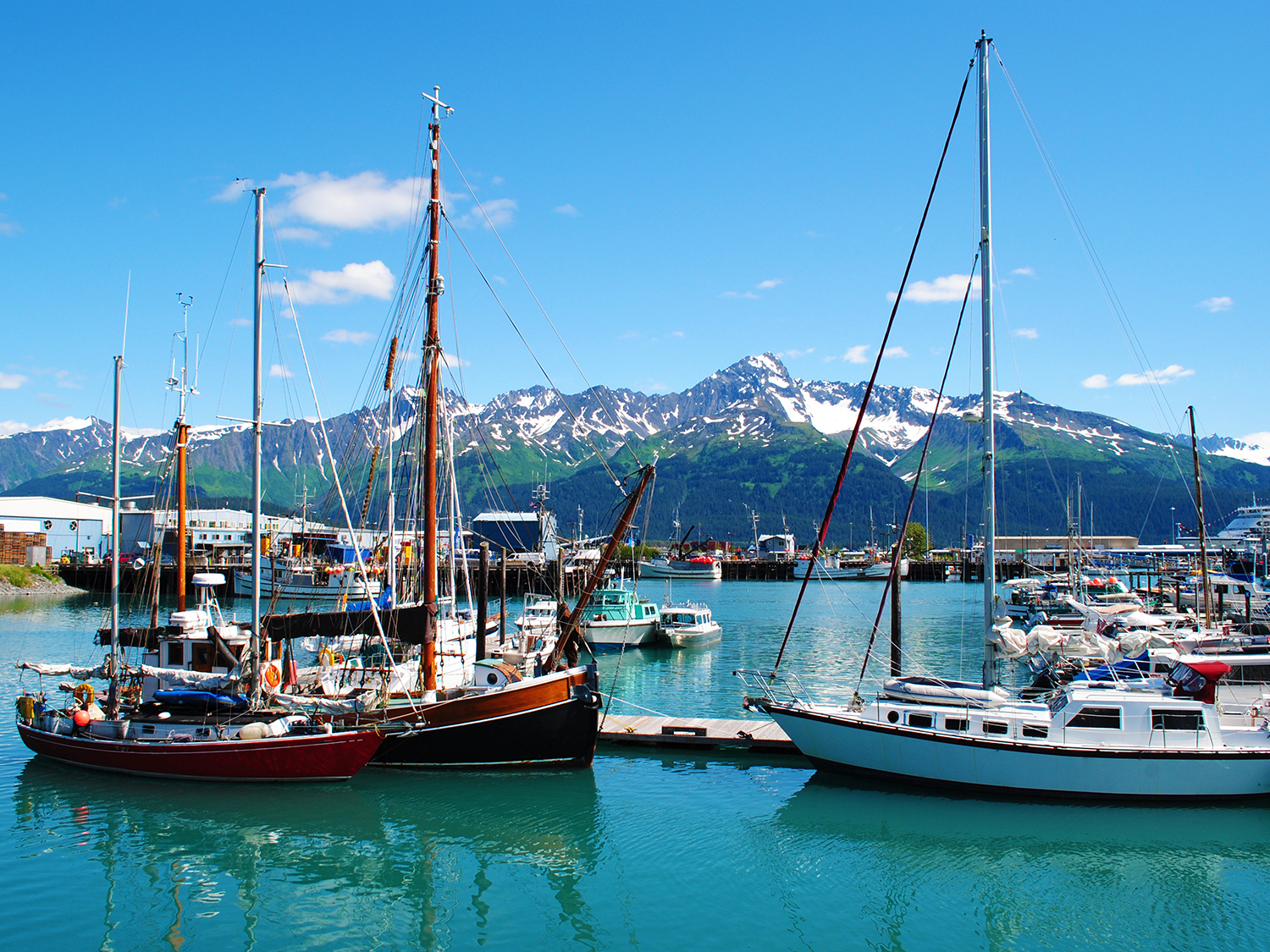
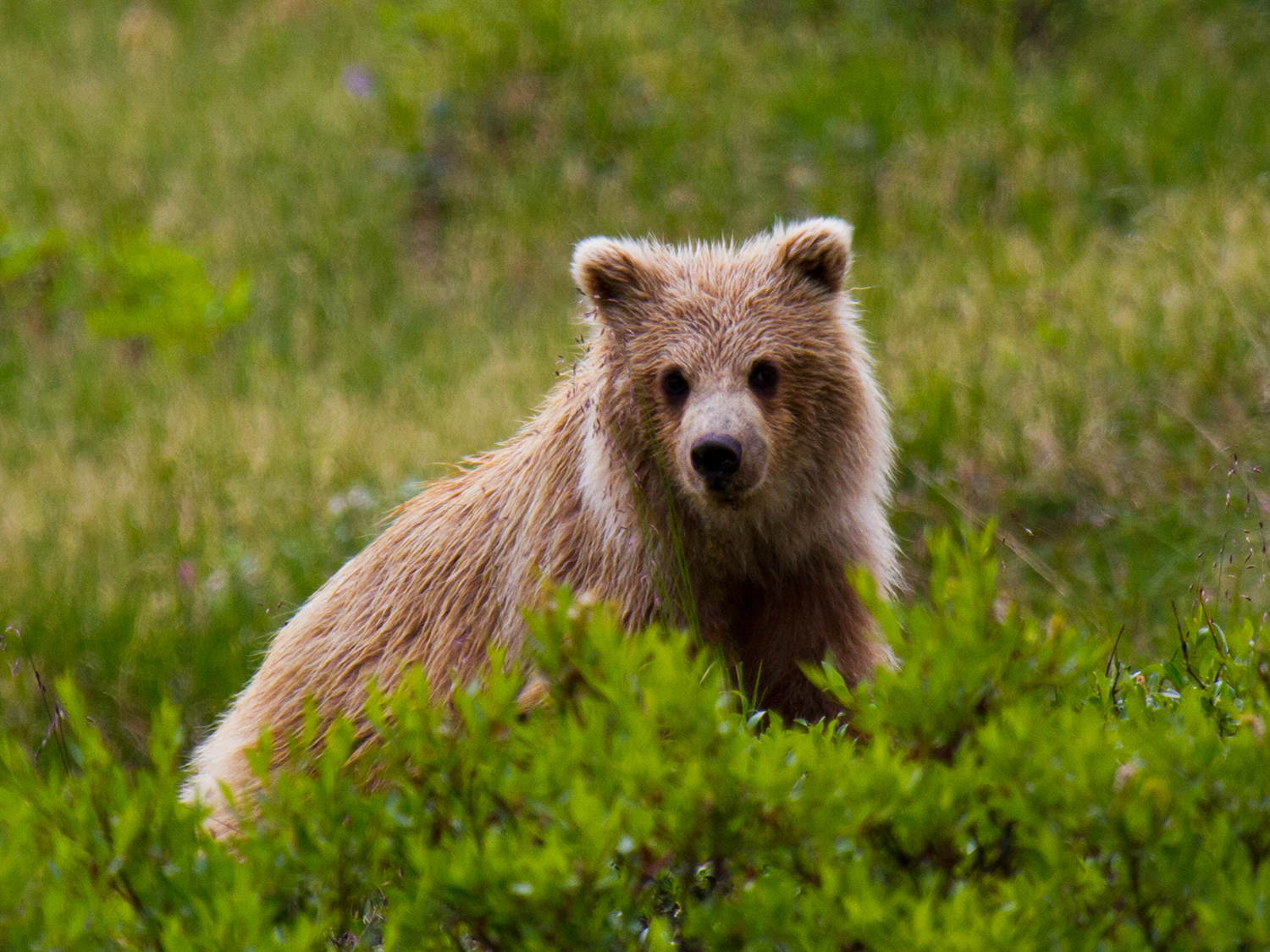
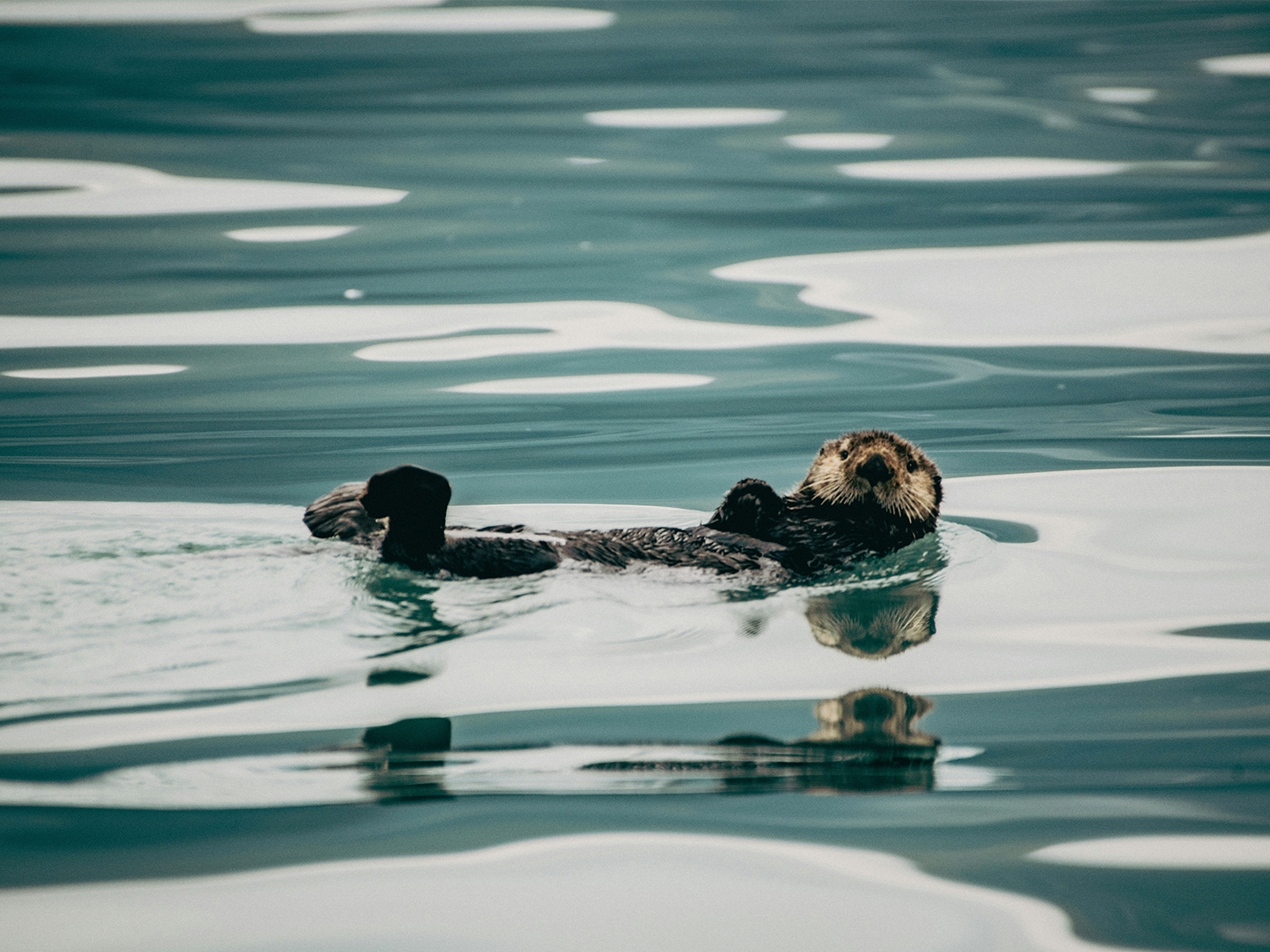
Why Choose On The Go Tours for Alaska?
• Small-Group Travel: Enjoy a more personalised experience with small tours groups and expert guides.
• Expert Planning: Avoid the hassle of trip logistics – transportation, accommodations, and activities are arranged for you.
• Unforgettable Scenery and Wildlife: See glaciers, mountains, and wildlife in some of the world’s most breath-taking locations.
• Unique Activities: Northern Lights hunting, these tours offer incredible experiences.
If you're looking for a well-organized, adventure-packed journey through Alaska’s wilderness, On The Go Tours provides excellent guided experiences tailored to different interests. Whether you're drawn to summer’s long daylight hours or winter’s icy landscapes and auroras, there's a tour for every traveller.
Wildlife and Natural Wonders
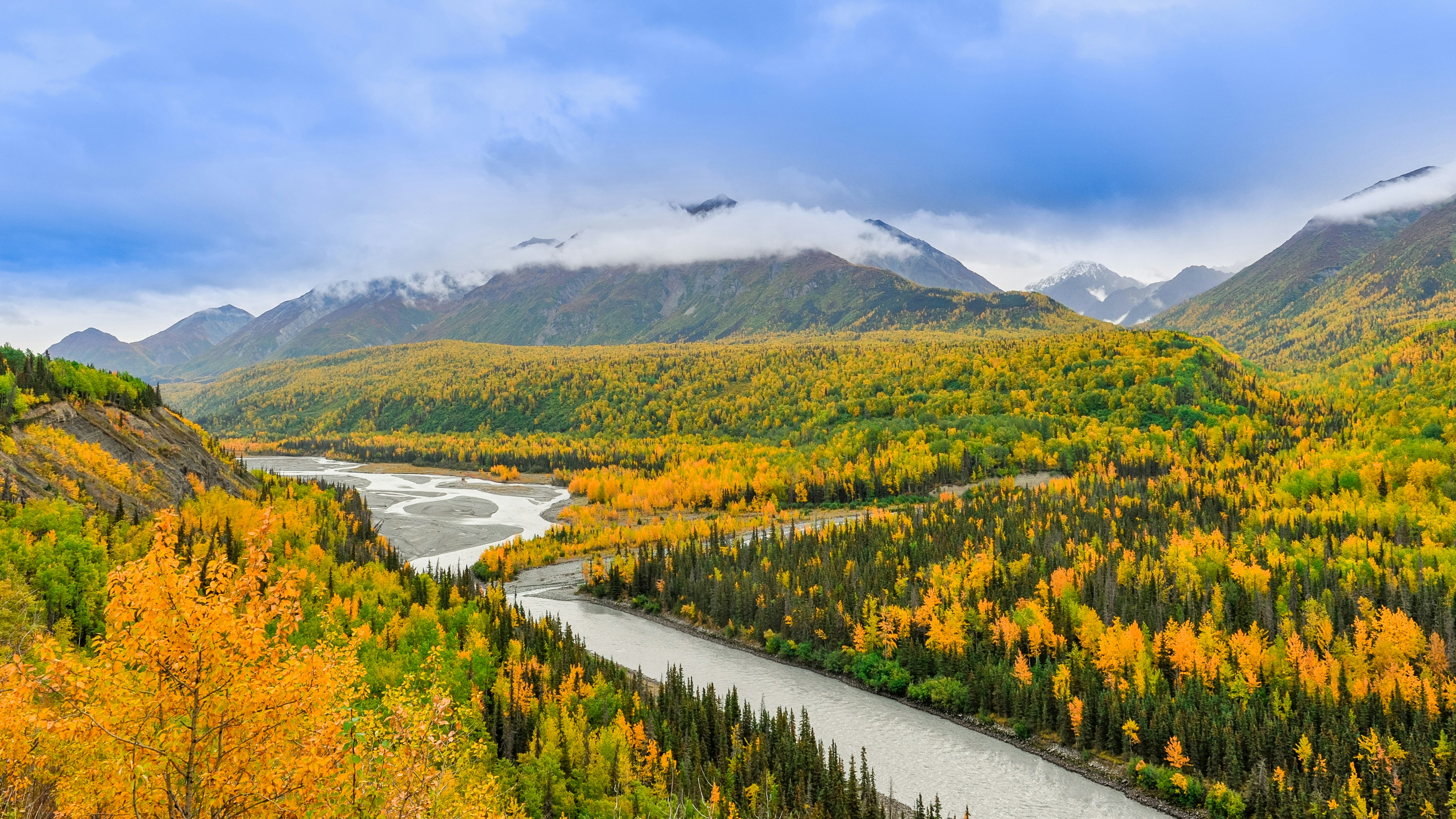
Alaska is home to some of the most stunning national parks and outdoor experiences in the world. Denali National Park, home to North America’s tallest peak, offers wildlife viewing and breathtaking landscapes. Glacier Bay National Park, a UNESCO World Heritage Site, features tidewater glaciers and abundant marine life, while Kenai Fjords National Park is known for its towering ice fields, boat tours, and whale-watching opportunities.
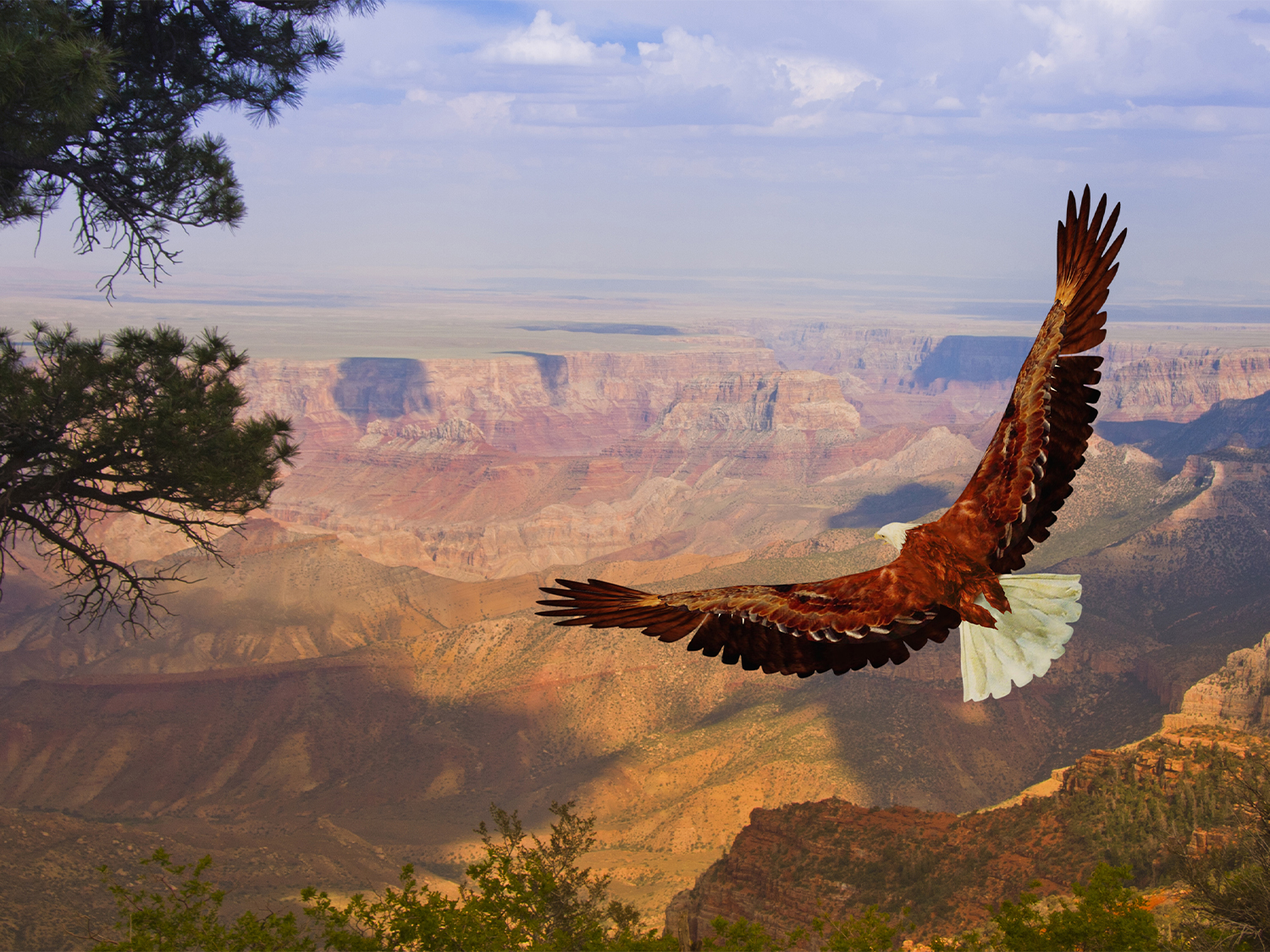
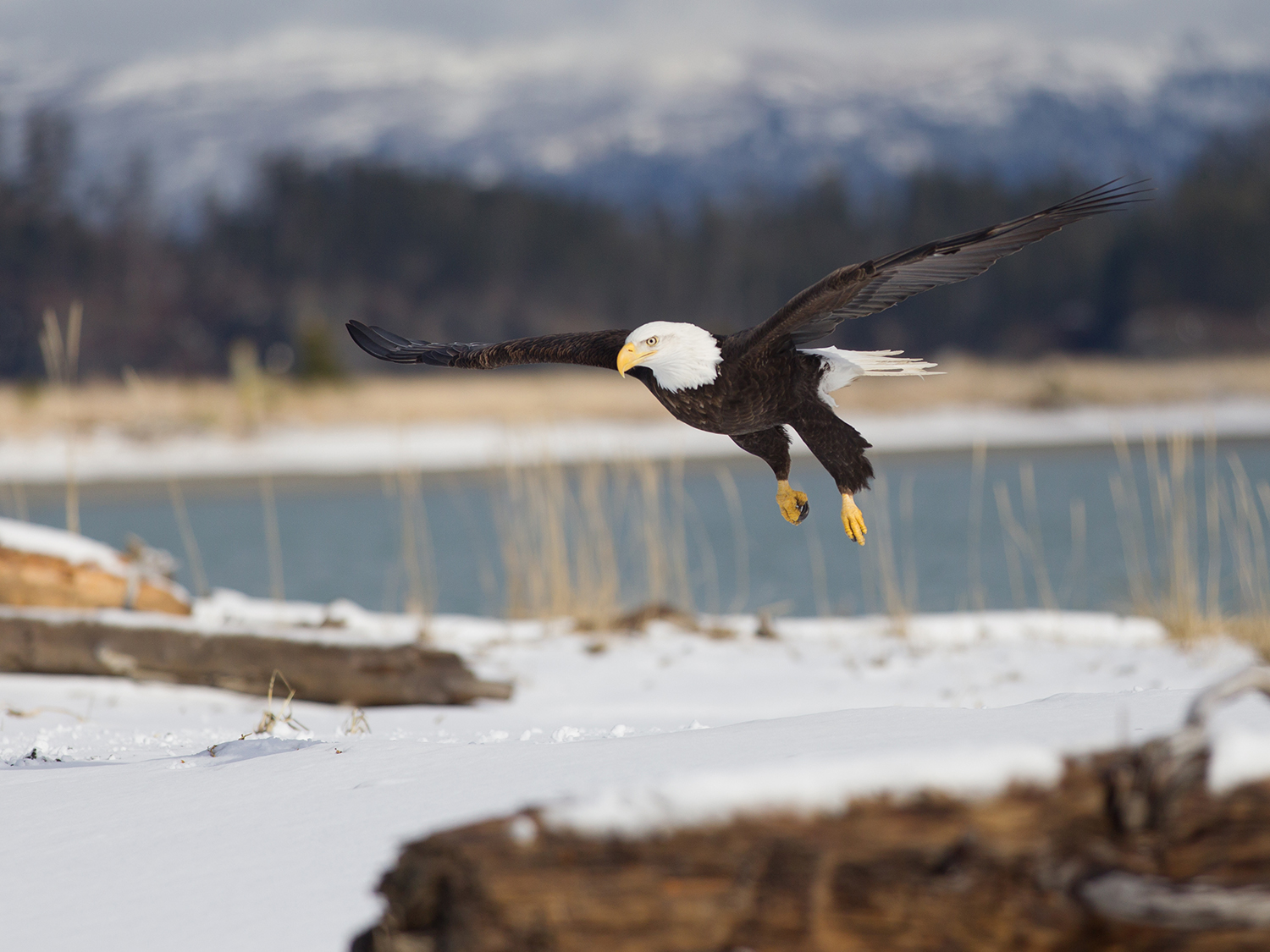
For those seeking wildlife encounters, Alaska offers world-class viewing. Brown bears can be seen catching salmon at Brooks Falls in Katmai National Park, while moose, caribou, and Dall sheep are common in Denali. Whale watching is another highlight, with humpback and orca sightings being frequent near Juneau, Seward, and Sitka. Bird enthusiasts can spot bald eagles in Haines, one of the best places in the world for eagle photography.
Outdoor enthusiasts have no shortage of activities to choose from. Hiking options range from the easy Flattop Mountain Trail near Anchorage to the challenging Harding Icefield Trail in Kenai Fjords National Park. Fishing is another major draw, with king salmon fishing peaking in June and July, while halibut fishing is particularly popular in Homer and Seward. Dog sledding is available year-round, with winter excursions offering the most authentic experience. For those interested in glaciers, flightseeing tours over Ruth Glacier or trekking on Matanuska Glacier provide unforgettable experiences.
Scenic Landscapes and National Parks
The state's national parks showcase a variety of stunning landscapes. Denali National Park features North America's tallest peak, Denali, and is a haven for wildlife enthusiasts and adventure seekers. Glacier Bay National Park captivates visitors with its colossal tidewater glaciers and rich marine life. Kenai Fjords National Park offers dramatic fjords, ice fields, and abundant sea creatures. Exploring these parks provides an unparalleled opportunity to connect with nature in its purest form.
Top Attractions
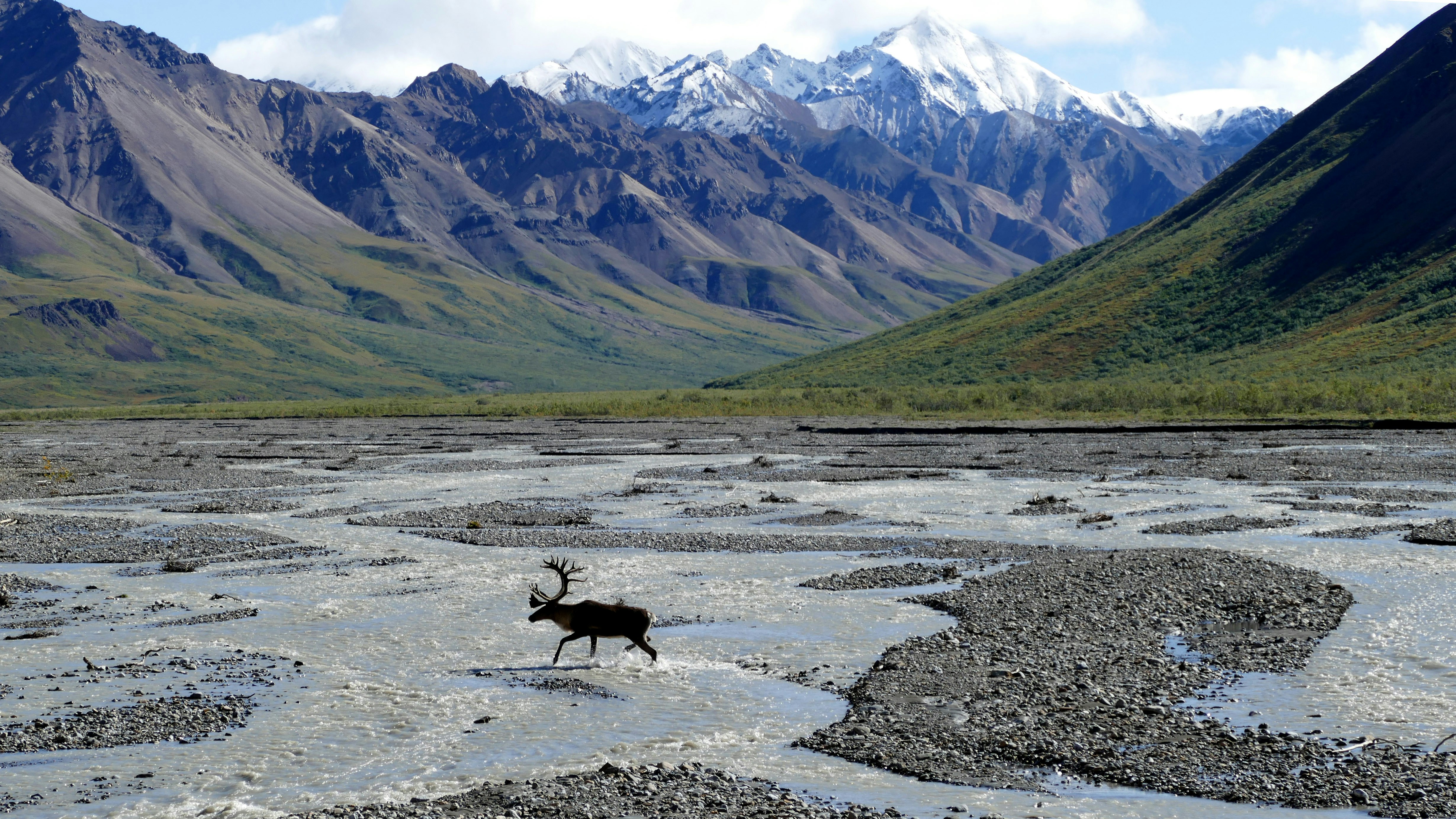
Denali National Park
One of the most iconic locations is Denali National Park & Preserve, home to North America's tallest peak, Denali, at 20,310 feet. The park is renowned for its abundant wildlife, including grizzly bears, moose, and wolves, making it a haven for nature enthusiasts. Visitors can explore the park via hiking trails, scenic bus tours, or guided activities, with the park's Denali Park Road being accessible only by park-operated buses beyond Mile 15. The best time to visit is during summer, from mid-June to early September, when the park is fully open and accessible.
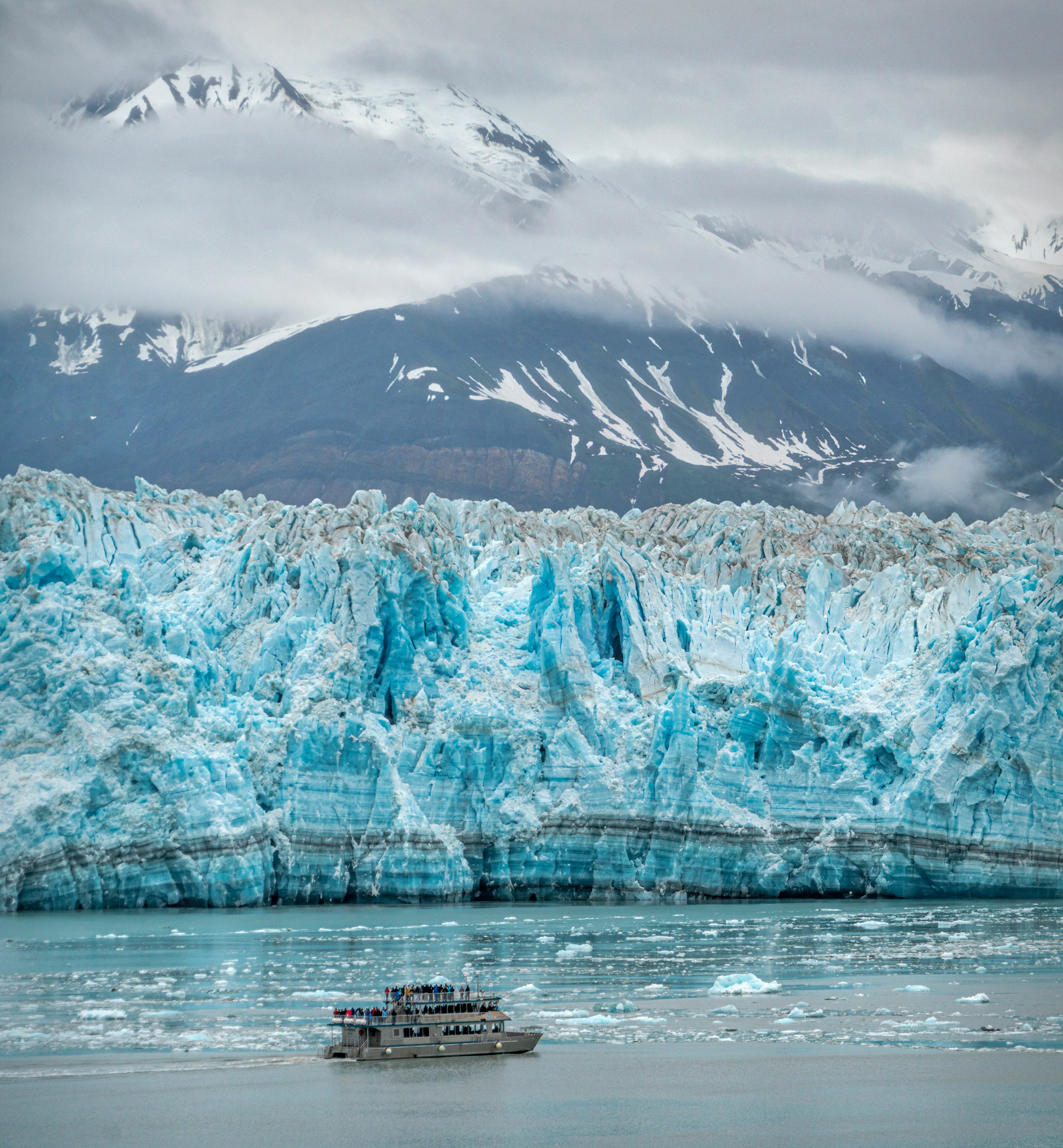
Glacier National Park
Another must-see is Glacier Bay National Park & Preserve, a UNESCO World Heritage Site and one of Alaska's most stunning natural areas. Known for its massive tidewater glaciers, like Margerie and Johns Hopkins, the park is best explored by cruise, boat, or small plane due to its limited road access. It’s home to abundant marine wildlife, including humpback whales and sea otters, and offers opportunities for kayaking and glacier viewing. The park is a must-visit for those looking to experience the beauty of Alaska’s glaciers and coastal ecosystems.
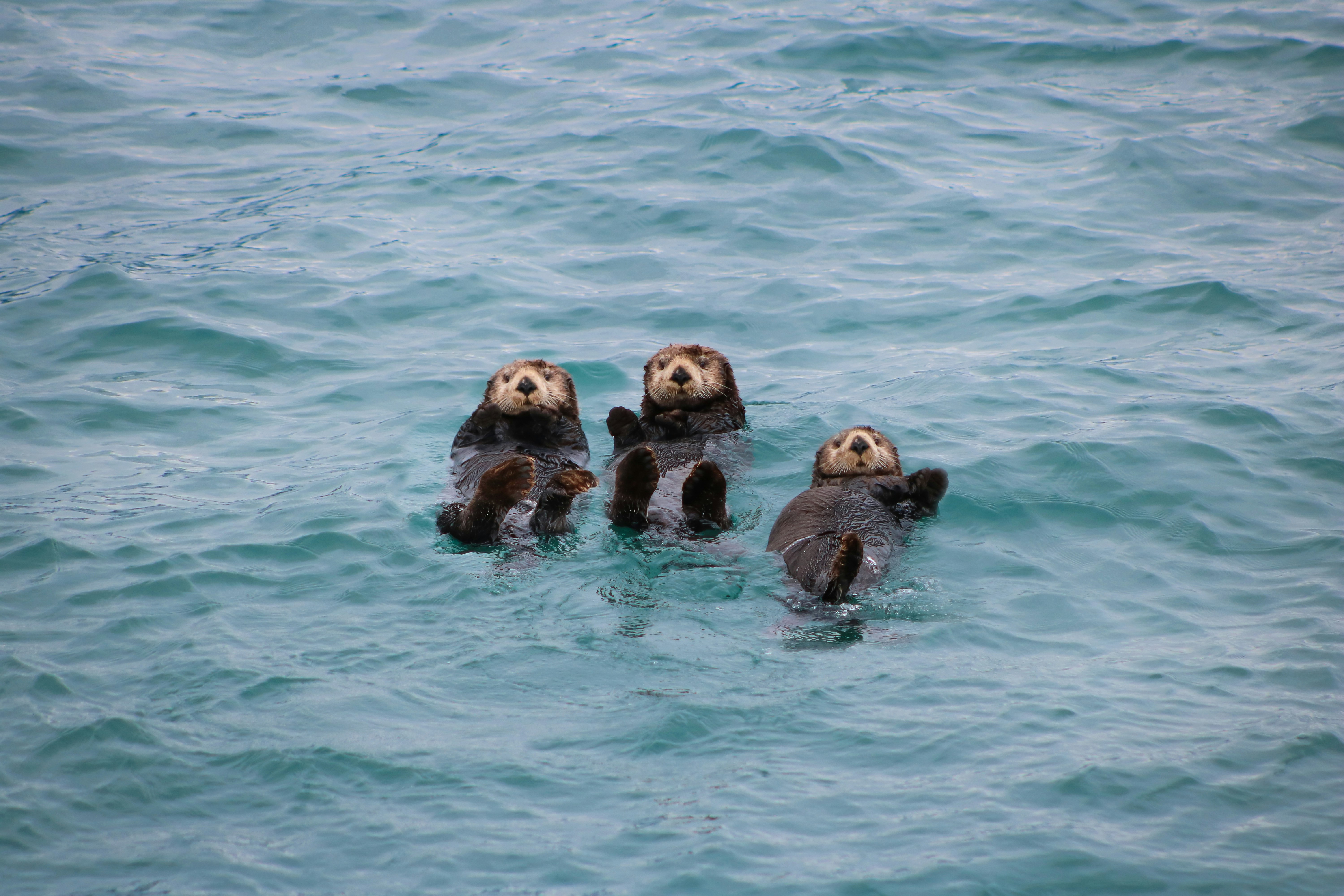
Kenai Fjords National Park
For those seeking more accessible adventures, Kenai Fjords National Park, located near Seward, offers an abundance of natural beauty, including glaciers, fjords, and marine wildlife. Exit Glacier, one of the most accessible glaciers in Alaska, provides opportunities for hiking and ice trekking. The park is also popular for boat tours through Resurrection and Aialik Bays, where visitors can see calving glaciers and marine life such as puffins and sea lions. The best time to visit Kenai Fjords is during the summer months from May to September.
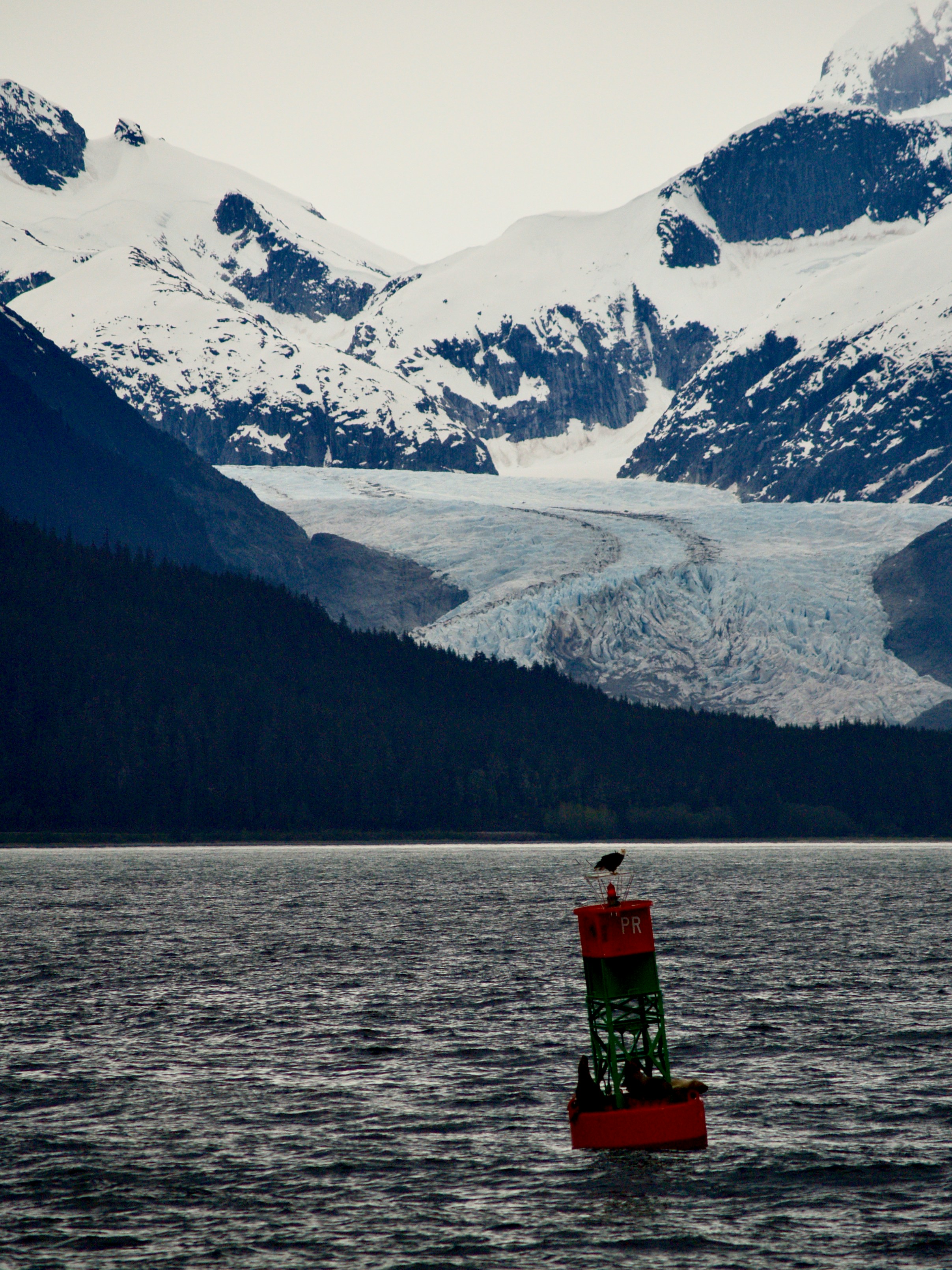
Inside Passage
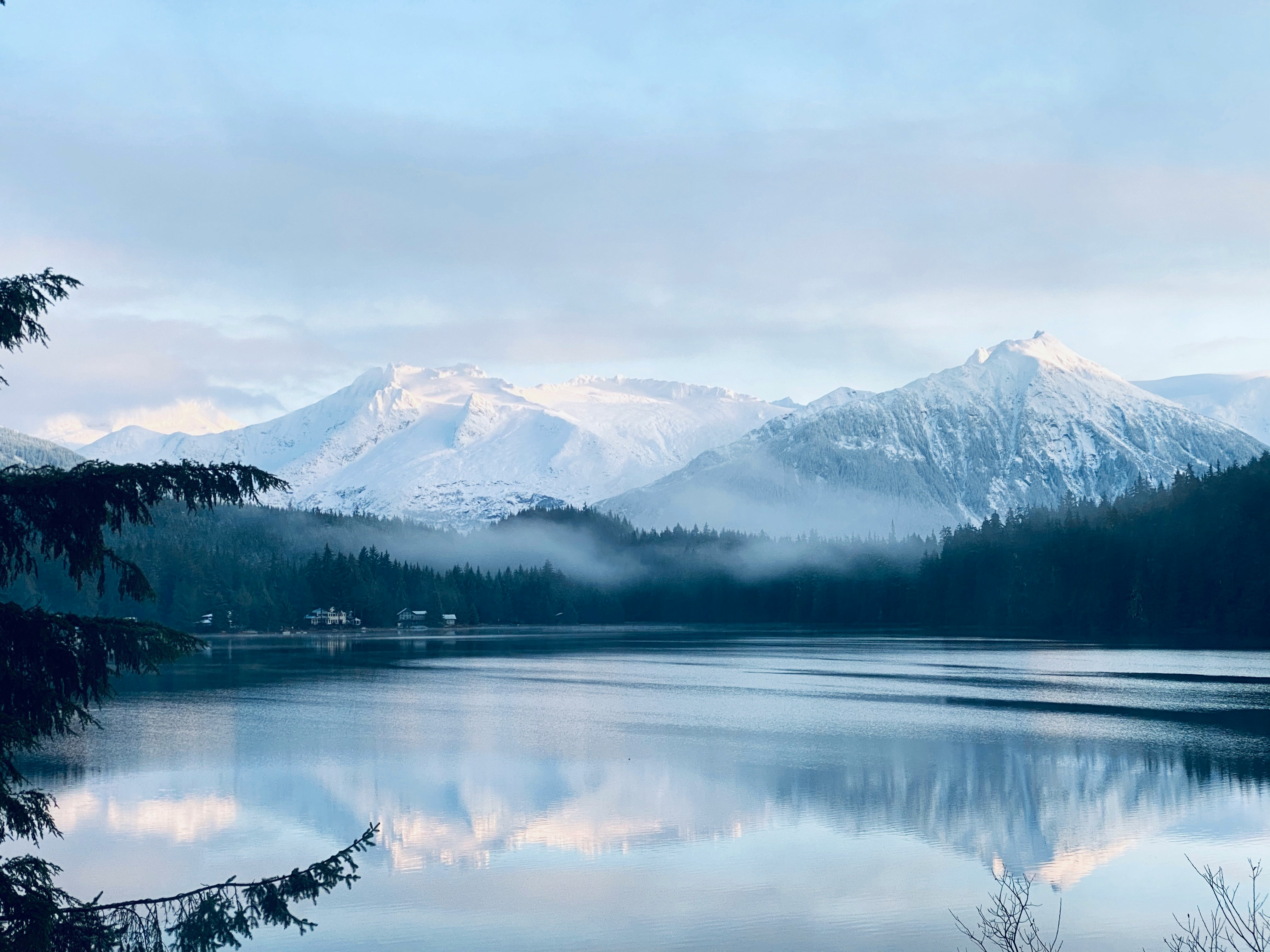
Alaska's Inside Passage is another top attraction, offering a coastal waterway lined with islands, fjords, and historic towns. This region includes key locations like Juneau, the state capital, which is home to Mendenhall Glacier and offers whale-watching tours. Ketchikan is known for its totem poles and Misty Fjords National Monument, while Skagway, a historic Gold Rush town, is famous for the White Pass & Yukon Route Railway. Visitors often explore the Inside Passage via cruise ships or ferries, with stops in towns that reflect the state’s maritime history and indigenous heritage.
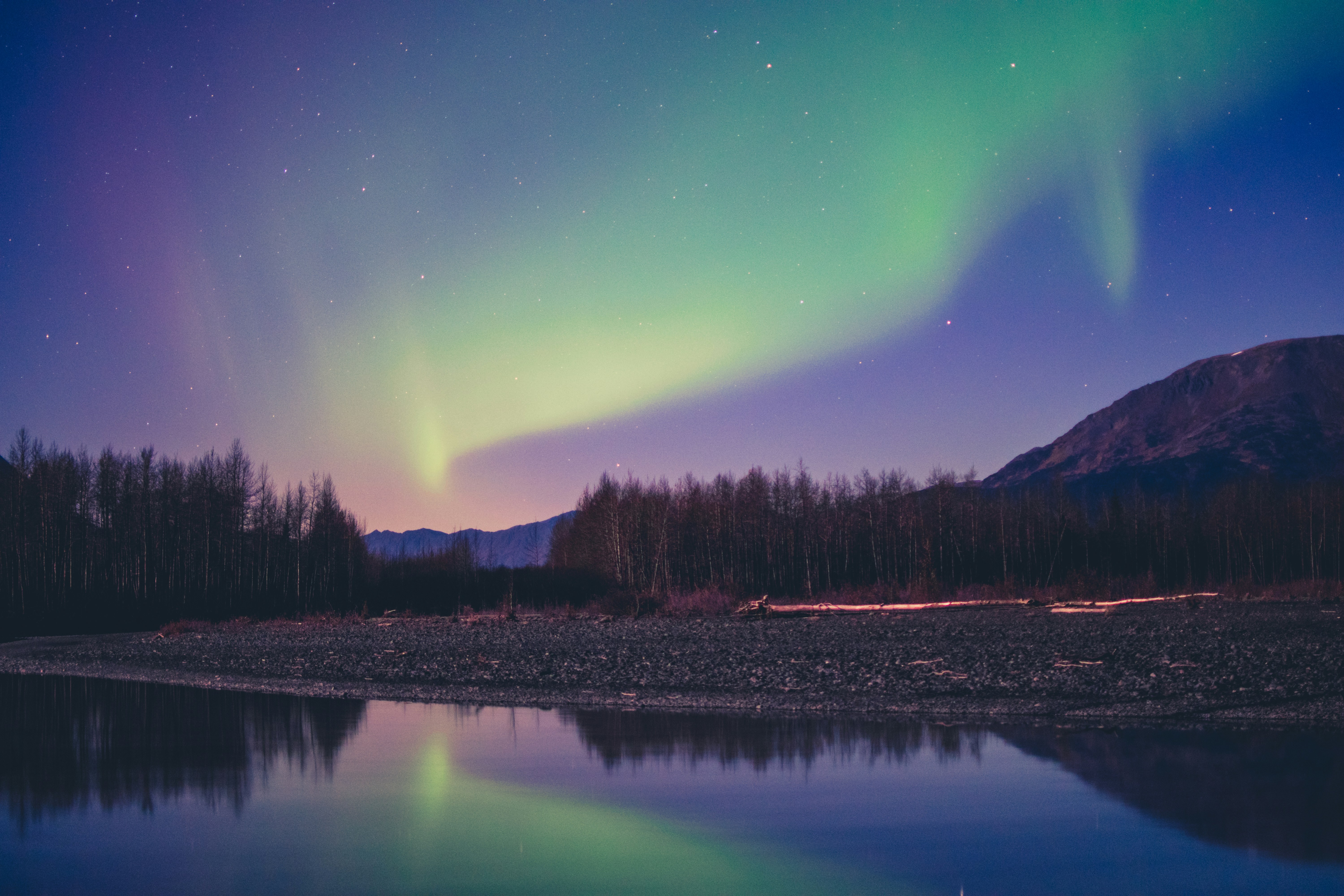
Aurora Borealis (Northern Lights)
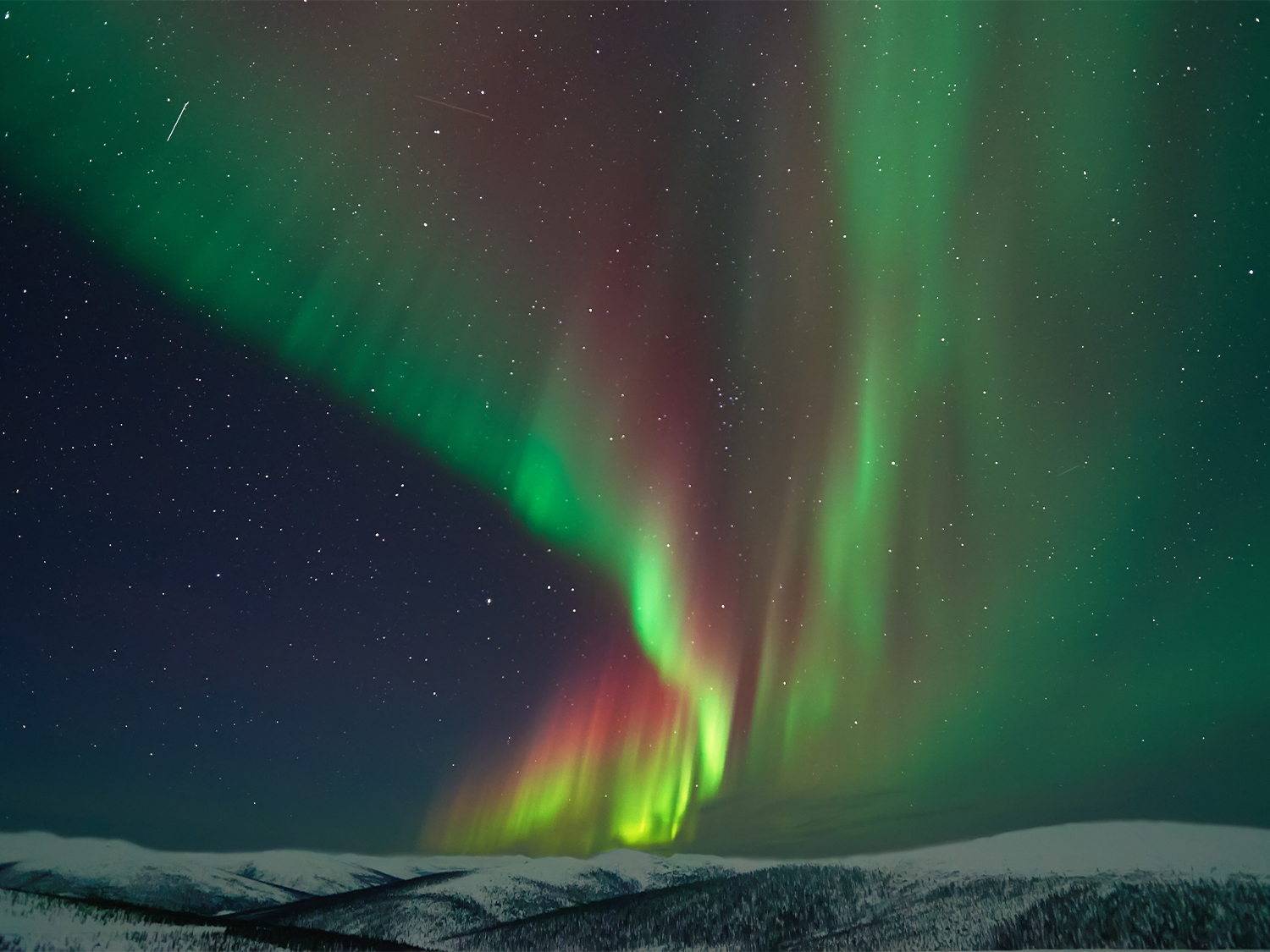
For those interested in the Northern Lights, Fairbanks is one of the best places in Alaska to witness this stunning natural phenomenon. The Aurora Borealis is most visible from late August to early April, with peak viewing occurring from December to March. Fairbanks offers guided tours to view the lights, often from heated cabins or specialized photography setups, ensuring a memorable experience. The surrounding area also offers winter activities such as dog sledding and ice fishing.
Frequently asked questions
What is the best time to visit Alaska?
The best time to visit depends on your interests:
• Summer (June–August): Ideal for wildlife viewing, hiking, and cruises, with long daylight hours and mild temperatures.
• Fall (September–October): Fewer crowds, beautiful fall colours, and increasing chances of seeing the Northern Lights.
• Winter (November–March): Best for Northern Lights, dog sledding, and winter sports, but very cold with limited daylight.
• Spring (April–May): Shoulder season with fewer tourists, emerging wildlife, and variable weather.
How do I see the Northern Lights in Alaska?
The Northern Lights (Aurora Borealis) are best viewed between late August and early April in areas with minimal light pollution. Popular sites include:
• Fairbanks – One of the best places in the world for aurora viewing
• Denali National Park – Offers a dark, open sky for clear sightings
• Anchorage – Occasionally visible, but better outside the city.
Peak viewing hours are typically from 10 pm to 2 am, and clear, dark skies increase the chances of seeing them.
What wildlife I can see in Alaska?
Alaska is home to diverse wildlife, including:
• Bears: Grizzly and black bears can be seen in Katmai National Park, Denali National Park, and Kodiak Island
• Whales: Humpback and orca whales are common near Juneau, Seward, and Sitka.
• Moose and Caribou: Frequently spotted along the highways and in Denali National Park
• Bald Eagles: Haines hosts one of the largest gatherings of bald eagles
• Wolves and Foxes: Occasionally seen in remote wilderness areas.
Always observe wildlife from a safe distance and follow park guidelines.
What should I pack for Alaska?
Packing depends on the season, but essentials include:
• Year-round: Layered clothing, waterproof gear, sturdy hiking boots, gloves, and a hat.
• Summer: Lightweight rain jacket, insect repellent (mosquitoes can be intense), sunglasses, and sunscreen.
• Winter: Insulated coat, thermal layers, waterproof boots, gloves and hand warmers.
• Other essentials: A camera, binoculars for wildlife viewing, and a reusable water bottle.
How cold does it get in Alaska?
• Summer (June-August): 50°F to 70°F (10°C to 21°C), but cooler in coastal and higher-elevation areas.
• Winter (November – March): Temperatures can drop below -40°F (-40°C) in interior regions like Fairbanks. Coastal areas, such as Anchorage and Juneau, are milder but still cold, averaging 10°F to 30°F (-12°C to -1°C).
Are there any safety concerns when visiting Alaska?
Alaska is generally safe, but visitors should be prepared for:
• Wildlife Encounters: Maintain a safe distance from bears and moose; carry bear spray if hiking in remote areas.
• Weather conditions: Rapid weather changes can occur, so always dress appropriately.
• Remote Areas: Cell service may be limited; carrying a GPS device or map is recommended.
• Driving Hazards: Watch for ice, wildlife on the roads, and long stretches without breaks.
How much daylight does Alaska have?
• Summer: The Midnight Sun phenomenon means nearly 24 hours of daylight in northern areas like Utqiaġvik (Barrow).
• Winter: Some places, like Fairbanks, get only 3–4 hours of daylight in December.
• Spring & Fall: Daylight hours change rapidly, gaining or losing about 5–7 minutes per day.
What is the food like in Alaska?
Alaska is known for fresh seafood and local specialties, including:
• Wild-caught salmon – Served grilled, smoked, or in chowders.
• Halibut – A popular white fish, often fried or baked.
• King crab – A delicacy, best enjoyed in towns like Ketchikan and Juneau.
• Reindeer sausage – Found at breakfast spots and street vendors.
• Berry-based desserts – Such as fireweed honey or Alaskan blueberry pie.
Do I need a passport to visit Alaska?
• For U.S. citizens: No passport is needed if traveling within the U.S. (e.g., flying into Anchorage or driving from another state).
• For cruises stopping in Canada: A passport is required.
• For international travellers: A valid passport and potentially a visa (depending on your country) are required.
Are there mosquitoes in Alaska?
Yes, especially in summer (June–August) and near lakes, rivers, and forests. Mosquitoes can be particularly bad in interior regions like Fairbanks and Denali. To avoid bites, use insect repellent, wear long sleeves, and consider a head net when hiking in buggy areas.
Do I need to worry about earthquakes or volcanoes?
Alaska is seismically active, but most earthquakes are small and not dangerous. The state also has several active volcanoes, primarily along the Aleutian Islands, but eruptions are rare and closely monitored by authorities.
USA guides
Start planning your trip to the United States with our handy travel guide resources. From top destinations and weather to advice on currency, cuisine and drinking water, we've got you covered!