On The Go Tours
Our agents are waiting to chat to you...
Are you a Travel Agent or Customer?
Do you have an booking reference?
Solar Eclipse Tours 2026Witness the Magic of the 2026 Solar Eclipse
When do you want to go?
2025
I'm flexible
Passengers
Adults (18+)
Children (0 - 17)
Witness the Magic of the 2026 Solar Eclipse with Our Guided Tours!
Experience the awe of the 2026 solar eclipse in a way that’s safe, memorable, and stress-free! Whether you're a seasoned stargazer or a first-time eclipse chaser, our guided tours ensure you’ll be in the perfect spot to watch this celestial event unfold.
Secure Your Front-Row Seat
Limited spaces: Book today to secure your front-row seat to see the solar eclipse in 2026.

What Makes the 2026 Solar Eclipse Special?
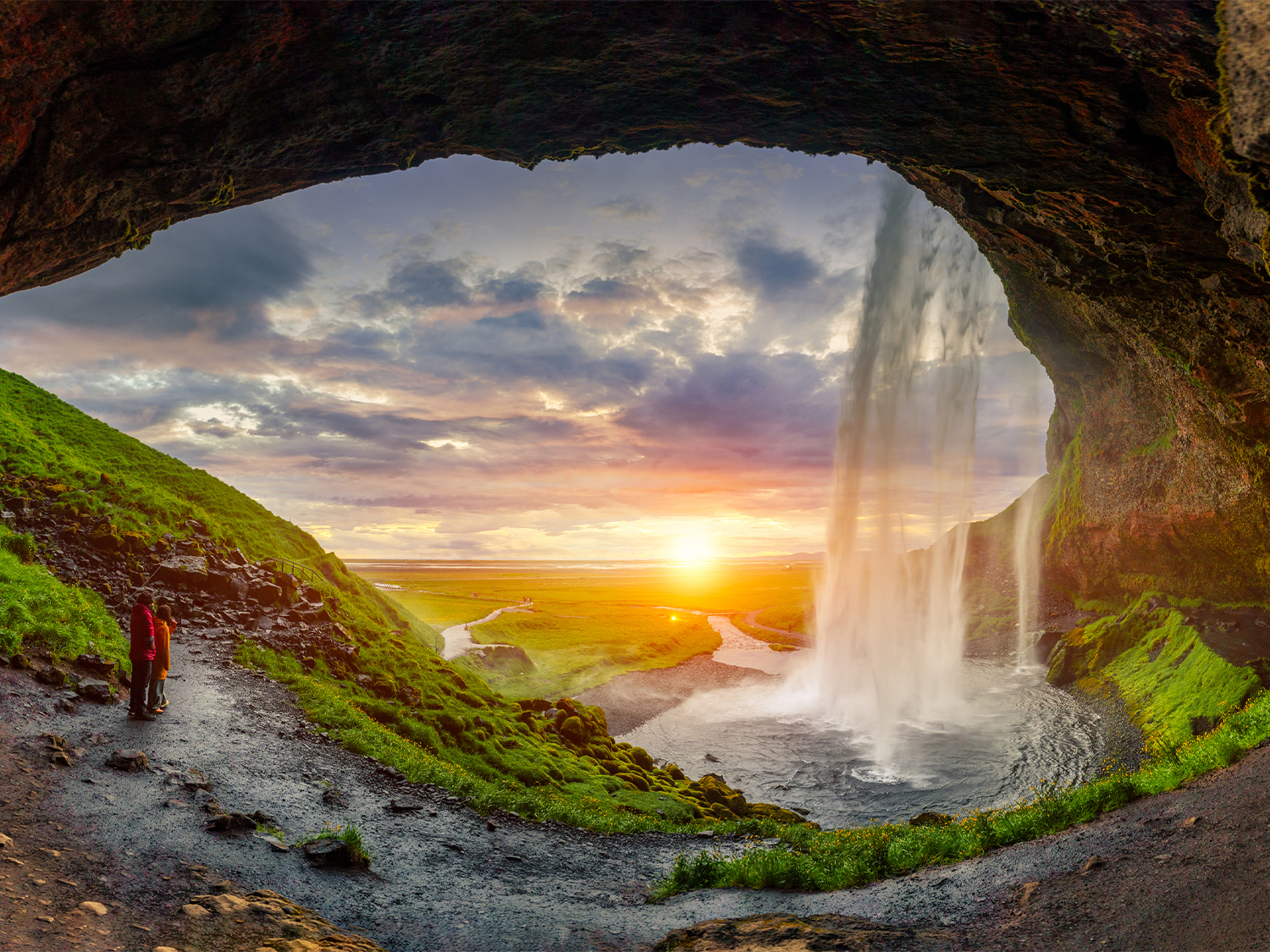
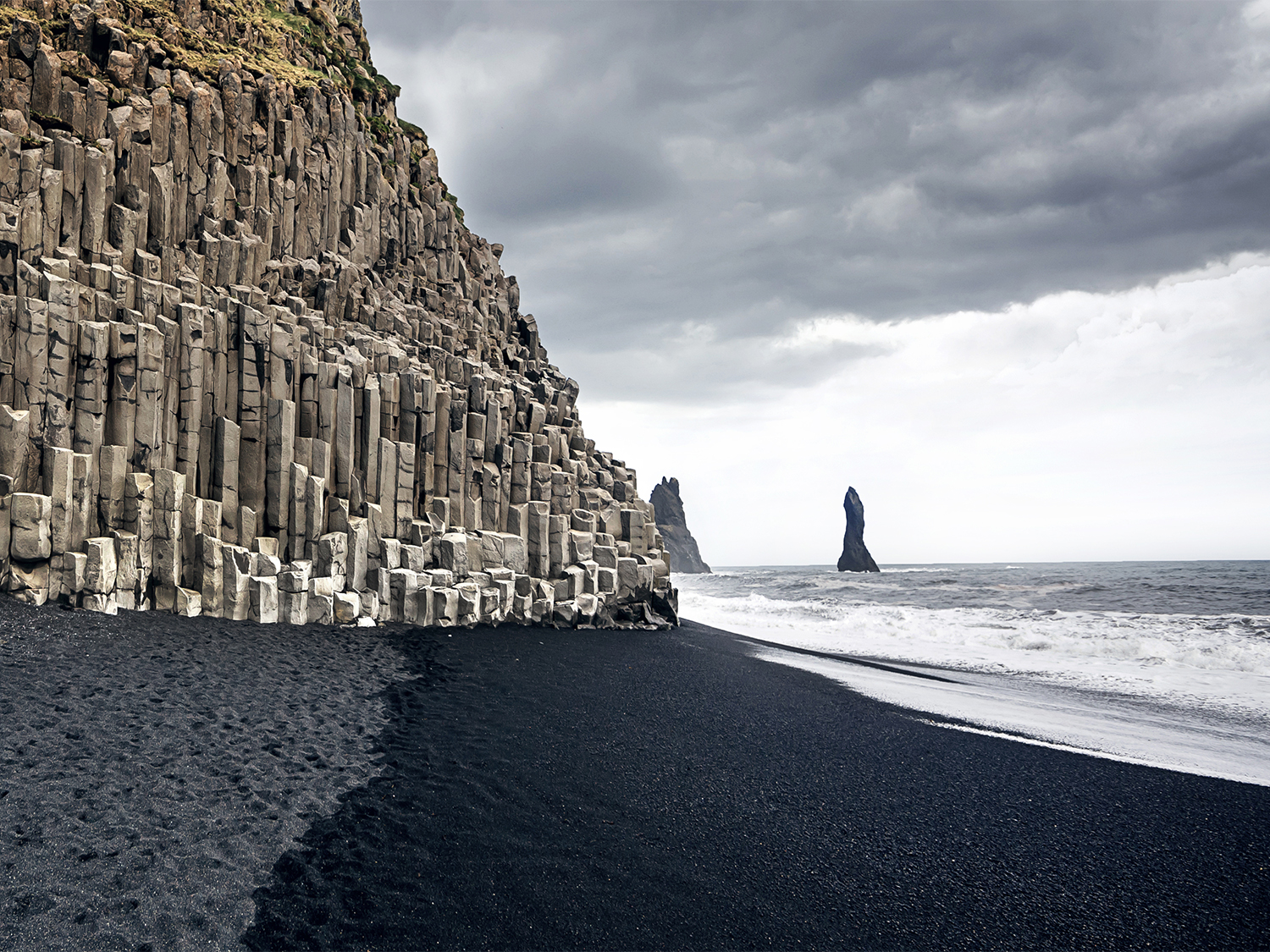
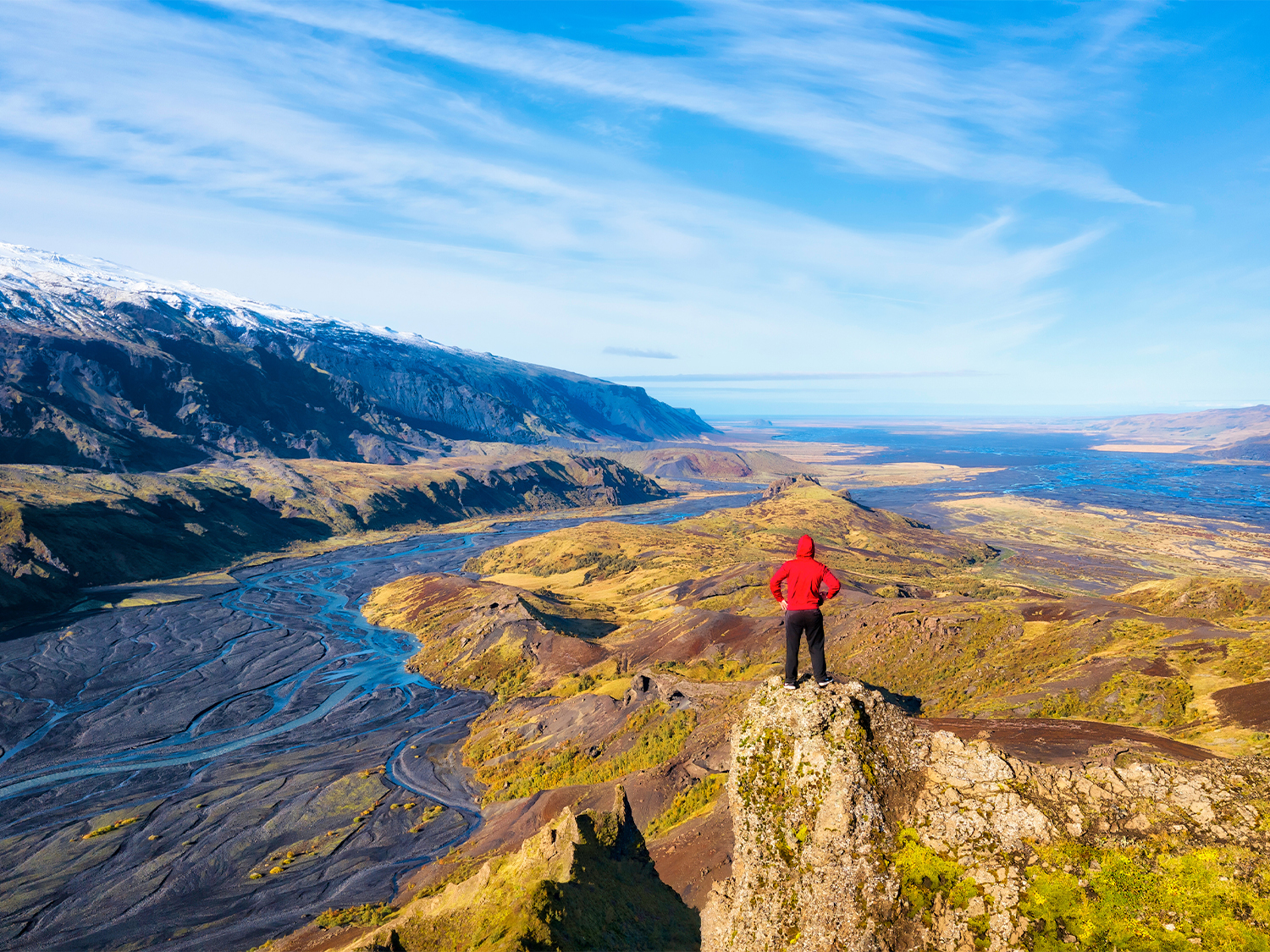
The 2026 solar eclipse will sweep across some of the most beautiful landscapes, offering not just a spectacular celestial show but also a chance to explore stunning destinations. The eclipse’s path will traverse regions known for their natural beauty, from pristine beaches to charming countryside. Imagine witnessing the moon’s shadow racing across the Earth while surrounded by breathtaking scenery. Don’t miss this rare opportunity to witness the universe’s wonders with your own eyes and explore the unique culture and history of the locations along the way.
What Is a Solar Eclipse?
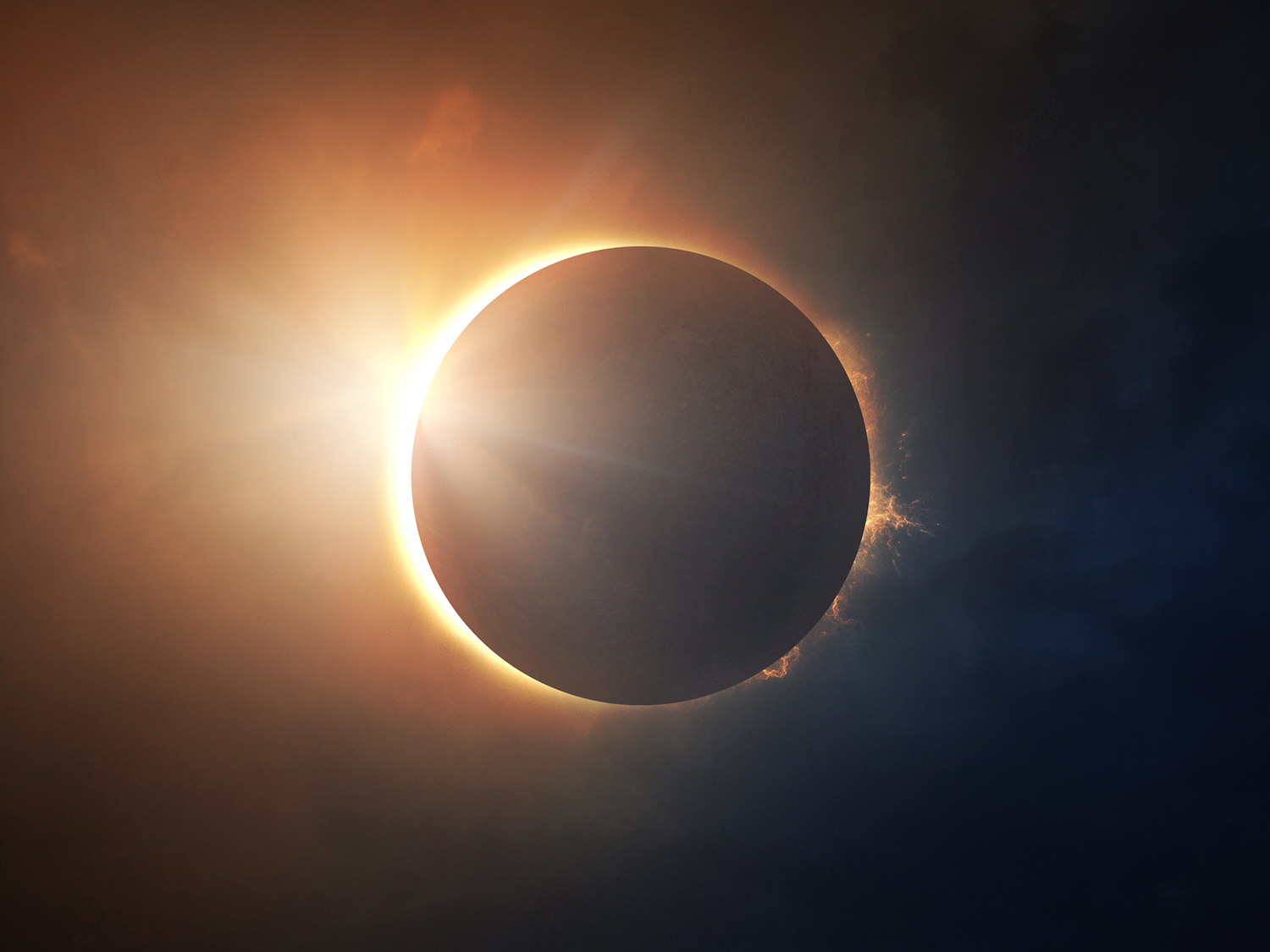
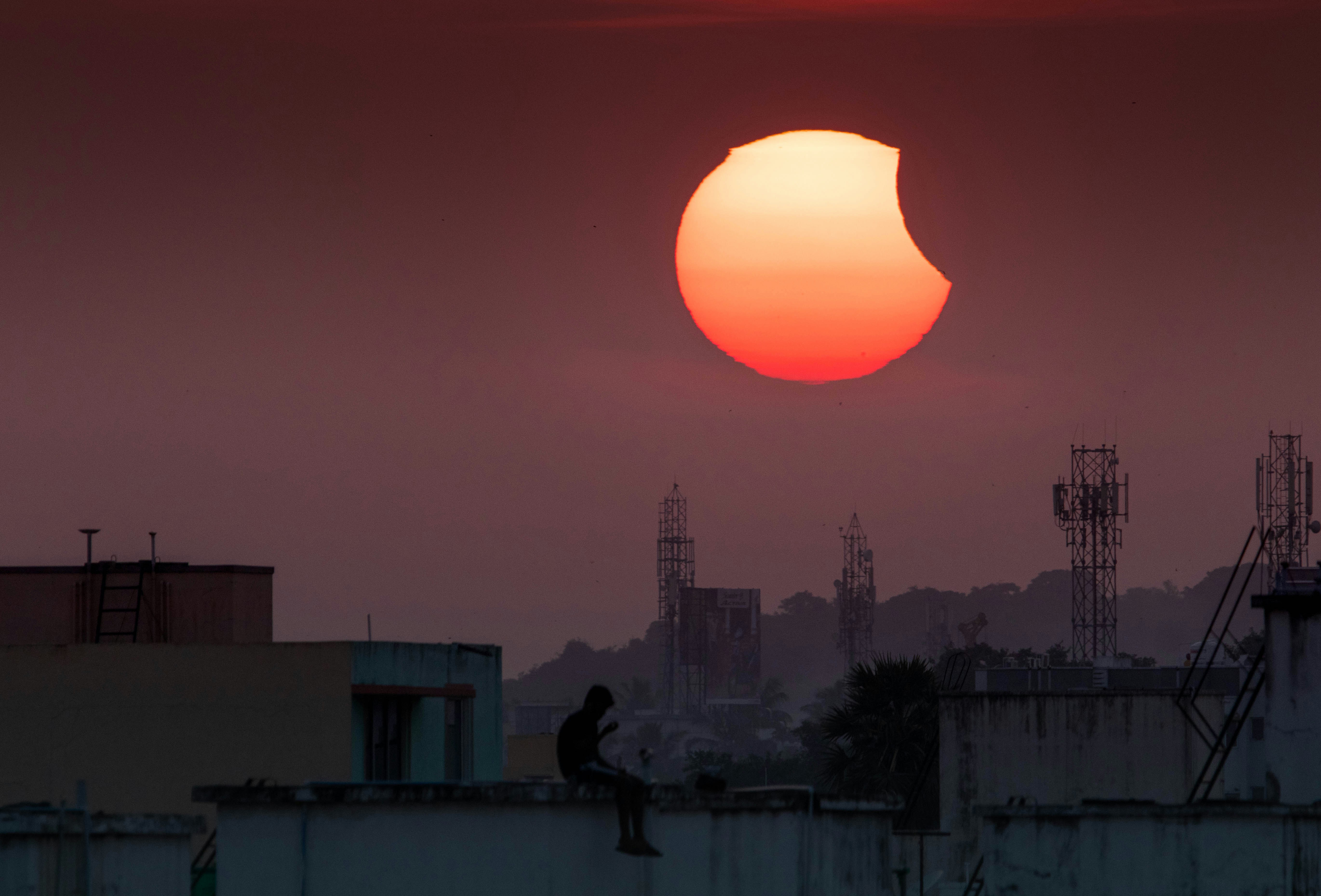
A solar eclipse occurs when the Moon passes between the Earth and the Sun, casting a shadow on Earth and temporarily blocking the Sun’s light. There are three main types of solar eclipses:
Total Solar Eclipse
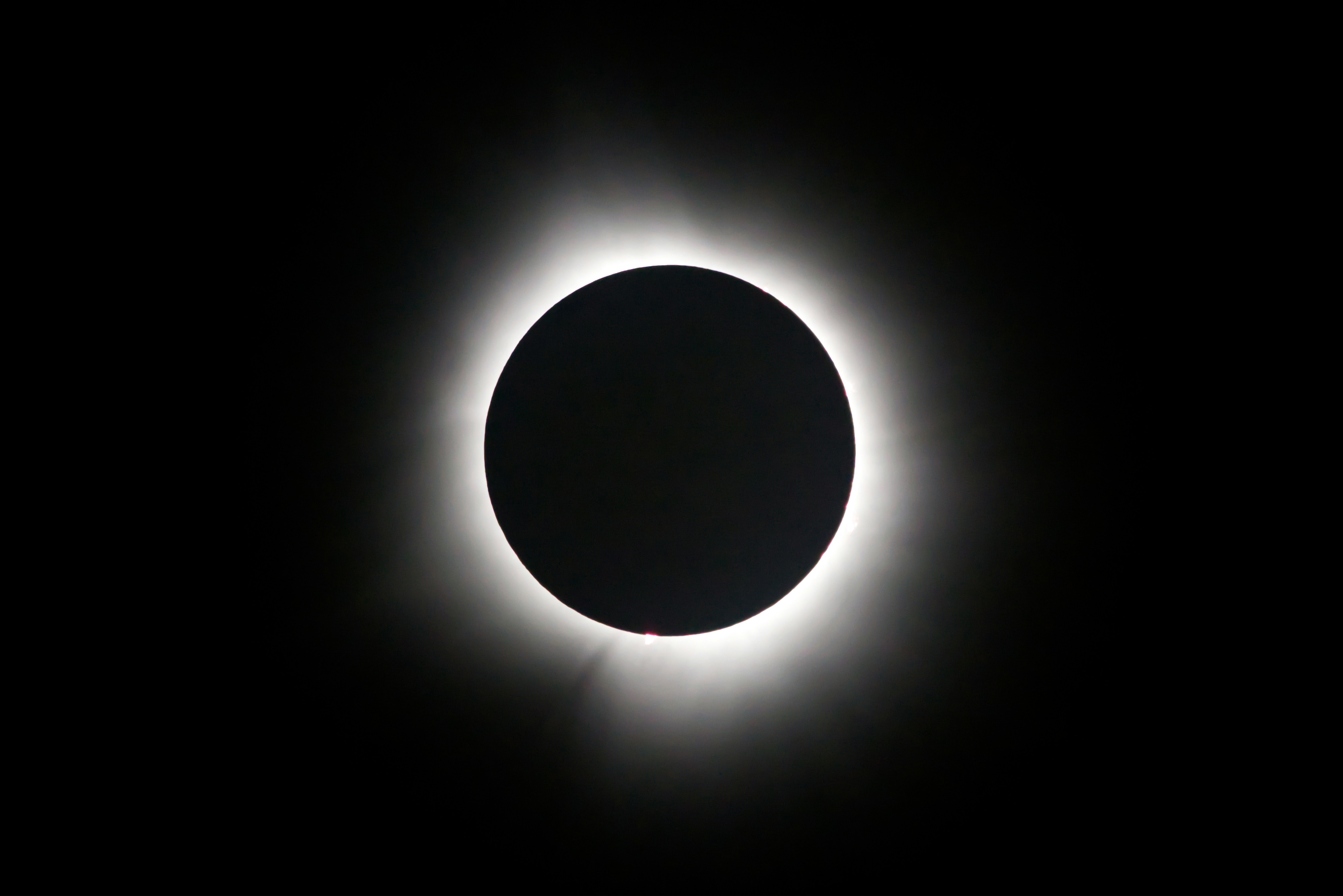
The Moon completely covers the Sun, revealing the Sun’s outer atmosphere, known as the corona. This is the most dramatic type of eclipse and can only be seen from specific locations along the eclipse’s path.
Partial Solar Eclipse
Only a portion of the Sun is obscured by the Moon. This type of eclipse is more common and can often be seen from a wider area.
Annular Solar Eclipse
The Moon covers the center of the Sun, leaving a "ring of fire" visible around the edges. This occurs when the Moon is farther from Earth in its orbit and appears smaller than the Sun.
The Science Behind Solar Eclipses
Solar eclipses occur due to the unique alignment of the Earth, Moon, and Sun. Despite the Sun being about 400 times larger than the Moon, it’s also roughly 400 times farther away, allowing the two to appear nearly the same size in the sky. This remarkable coincidence makes total solar eclipses possible.
Eclipses don’t happen every month because the Moon’s orbit is tilted relative to Earth’s orbit around the Sun. They only occur when the orbits align at points called nodes, during the new moon phase.
Why Choose a Guided Tour?
Prime Viewing Locations
Skip the guesswork! We’ve scouted the best spots along the eclipse’s path to give you unobstructed, breathtaking views. From serene mountain peaks to picturesque coastal settings, every location is carefully selected to maximize your experience.
Expert Guidance
Our knowledgeable guides will explain the science behind the eclipse, answer your questions, and make the experience educational and fun for all ages. Learn about the celestial mechanics, cultural significance, and historical records of eclipses.
Hassle-Free Planning
From travel logistics to safety gear, we’ve got everything covered. You won’t have to worry about weather forecasts, crowd management, or finding parking. All you need to do is show up and enjoy!
Community Experience
Share the wonder with fellow eclipse enthusiasts. It’s not just about the sky; it’s about creating memories with people who share your excitement. Enjoy group activities, discussions, and photo opportunities that make the day even more special.
How to Safely View a Solar Eclipse
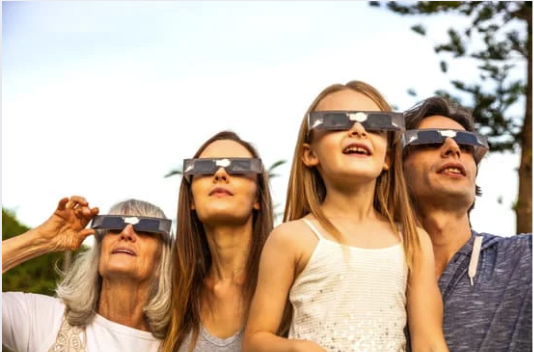
Viewing a solar eclipse requires proper precautions to protect your eyes from harmful solar radiation. Here are some key tips:
Use Certified Eclipse Glasses
Always wear ISO-certified eclipse glasses to view the Sun directly. Regular sunglasses are not safe.
Use Pinhole Projectors
Create a simple pinhole projector to watch the eclipse’s progress indirectly. It’s a fun and safe option, especially for kids.
Avoid Direct Viewing
Never look at the Sun through a telescope, binoculars, or camera without a proper solar filter.
Follow Local Guidelines
Be aware of local advice and instructions for viewing the eclipse safely.
Join our waiting list for Solar Eclipse tours 2027
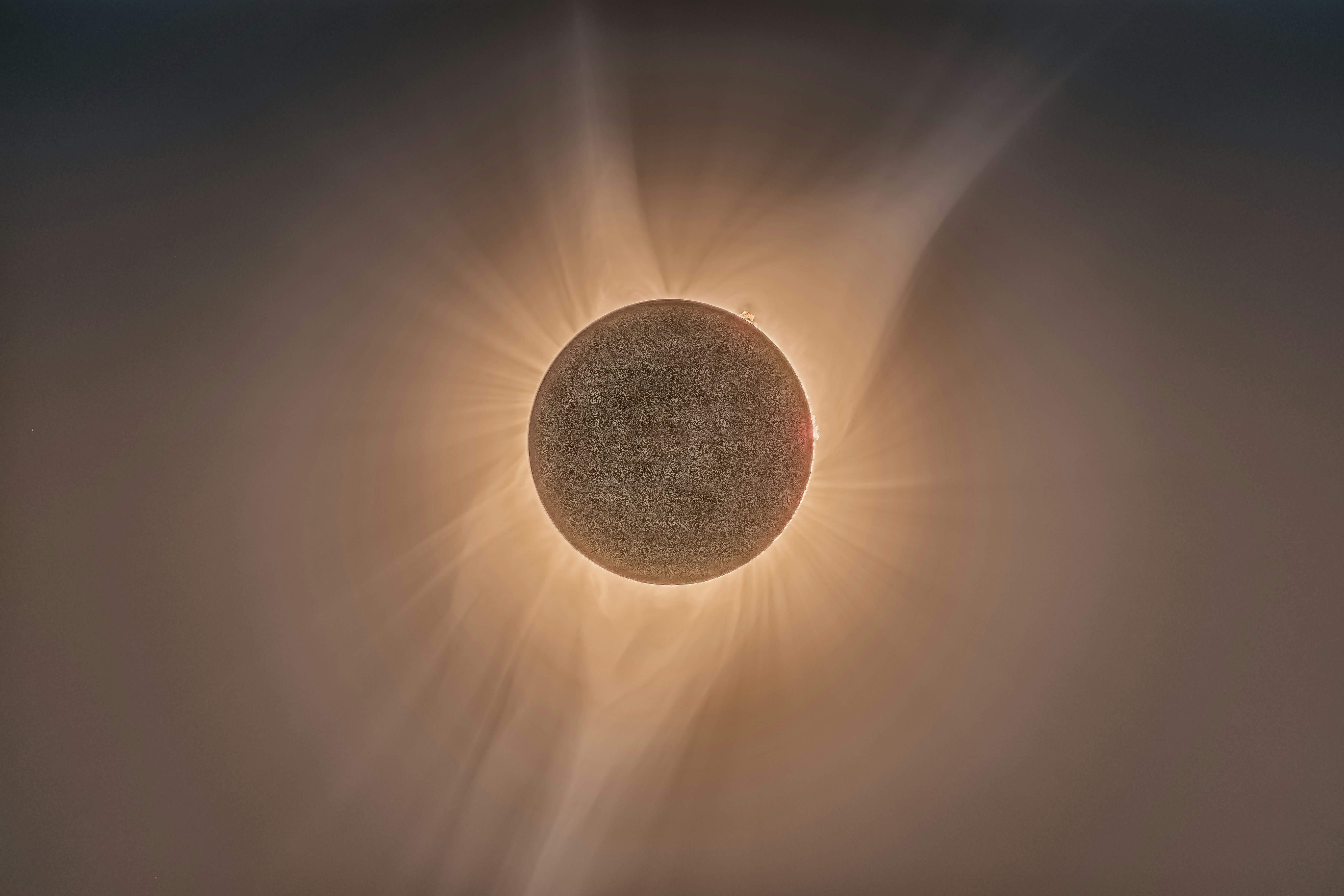
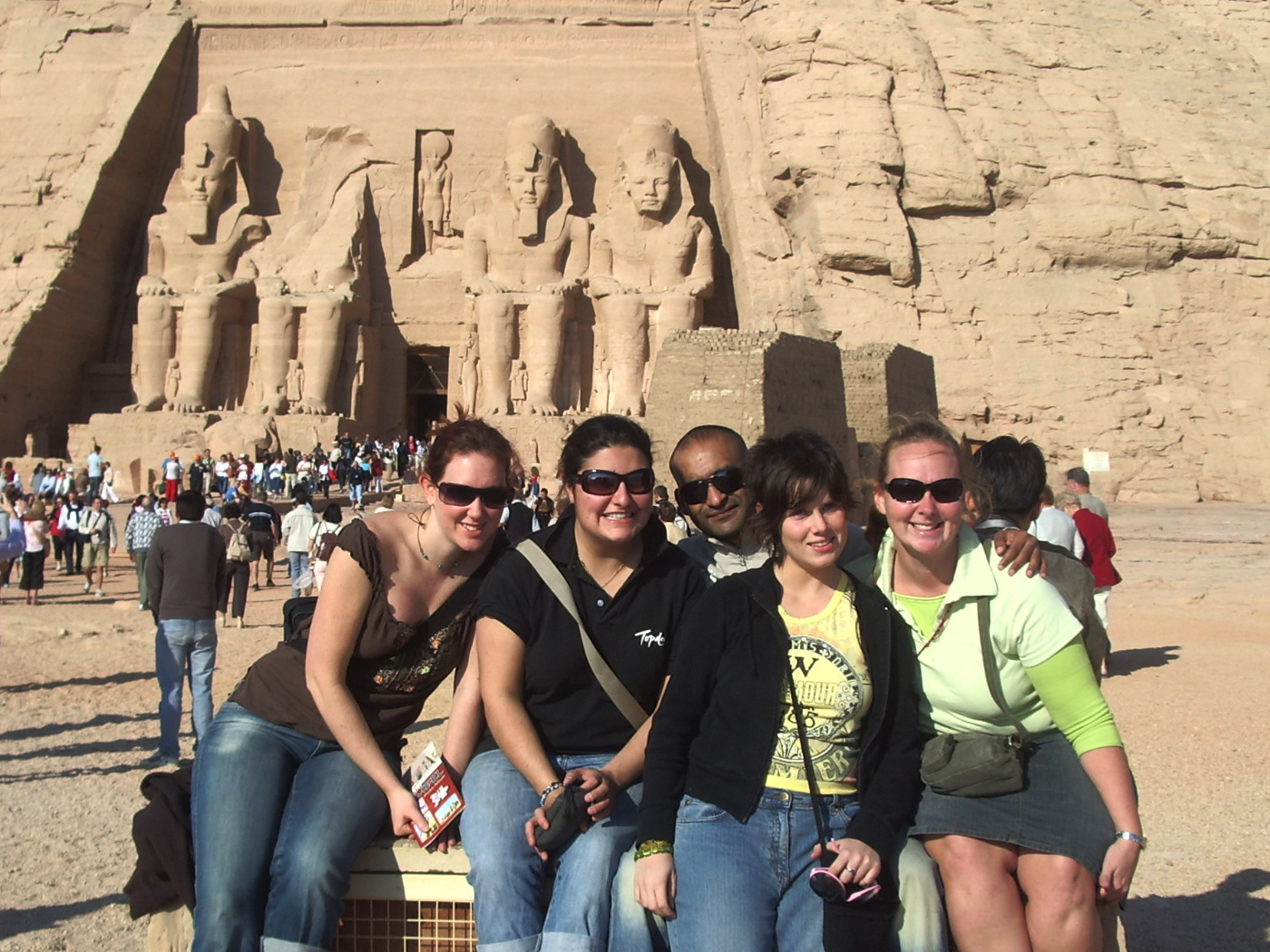
If you can't manage to catch the 2026 solar eclipse luckily you wont have to wait long for the next one. 2027 will also see a solar eclipse with some of the best vantage spots being in Egypt. If seeing a solar eclipse from the sunny sands of Egypt is something you'd like to check off your bucket list, don't hesitate to reach out to our team for any inquirers regarding our upcoming 2027 solar eclipse tours.
Frequently asked questions
What is a solar eclipse?
A solar eclipse occurs when the Moon passes between the Earth and the Sun, temporarily blocking the Sun’s light. Depending on the alignment, it can be a total, partial, or annular eclipse.
Is it safe to watch a solar eclipse?
Yes, as long as you use proper eye protection like certified eclipse glasses or indirect viewing methods, it’s completely safe to enjoy the event.
What makes the 2026 solar eclipse special?
The 2026 eclipse will offer a breathtaking total solar eclipse visible from select locations, providing a rare opportunity to witness the Sun’s corona and enjoy beautiful landscapes.
Do I need special equipment to view the eclipse?
All you need are certified eclipse glasses or a pinhole projector for safe viewing. Our guided tours include these for all participants.
How long does a total solar eclipse last?
The totality phase typically lasts a few minutes, but the entire event, including partial phases, can span a few hours.
How should I prepare for the eclipse?
Plan your travel early, pack eclipse glasses, and bring essentials like sunscreen, water, and a camera. For those on our tours, we handle all the details for you!
Can I photograph the eclipse?
Yes, but make sure to use a solar filter for your camera or smartphone to protect your equipment and get the best shots. Our tours include photography tips from experts.
Tours for different traveller types
We offer hundreds of tours, and there are some tours that are best suited to certain travellers. To help you, we've put together guides to travelling in your 30s, 40s and seniors, plus tours for solo travellers, families, couples and private groups. You can thank us later!