On The Go Tours
Our agents are waiting to chat to you...
Are you a Travel Agent or Customer?
Do you have an booking reference?
Best Time to Visit Malaysia Discover the Ideal Time to Travel Malaysia Based on Weather, Festivals, and Regional Highlights
When do you want to go?
2025
I'm flexible
Passengers
Adults (18+)
Children (0 - 17)
Visiting Malaysia
Planning a trip to Malaysia and wondering when to go? With its tropical climate, stunning islands, buzzing cities, and remarkable biodiversity, Malaysia is a year-round travel destination. However, the best time to visit depends on where you’re going and what kind of trip you’re after. From beach getaway and jungle treks to vibrant cultural festivals, this guide breaks down the best time to visit Malaysia by region, season, and activity – helping you avoid the monsoons and plan the perfect trip.
Malaysia: Best Time to Visit
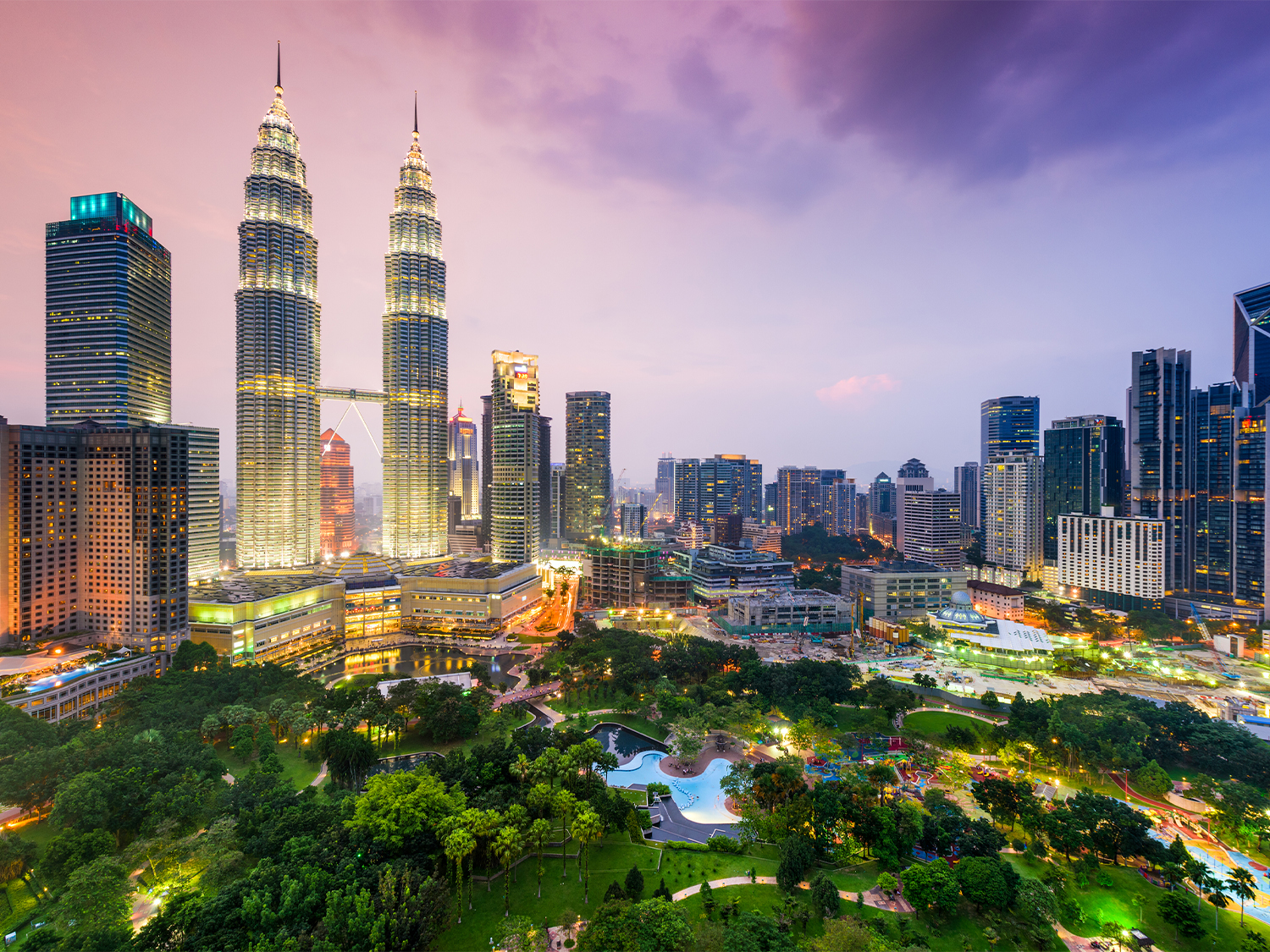
In general, the best time to visit Malaysia is from December to March, when much of the country experiences drier and sunnier weather. This is an excellent time for exploring the west coast, including Kuala Lumpur, Penang, and Langkawi. If you’re heading to the east coast islands like Redang, Tioman, or the Perhentian Islands, aim for April to September. These months offer great weather for snorkelling and diving. For Borneo, which includes Sabah and Sarawak, the best time to visit is from March to October, when rainfall is lighter and wildlife spotting conditions are ideal.
Understanding Malaysia’s Climate
Malaysia experiences a tropical rainforest climate, meaning that it’s hot and humid year-round, with daytime temperatures typically ranging from 25°C to 32°C (77°F to 90°F). Rain is common, though it often falls in short, heavy bursts, especially in the afternoons. The country is affected by two distinct monsoon seasons: the Northeast Monsoon from November to March, and the Southwest Monsoon from May to September. These monsoons impact the east and west coasts differently, so understanding where you’re going is key to choosing the best time.
Best Time to Visit Malaysia’ West Coast
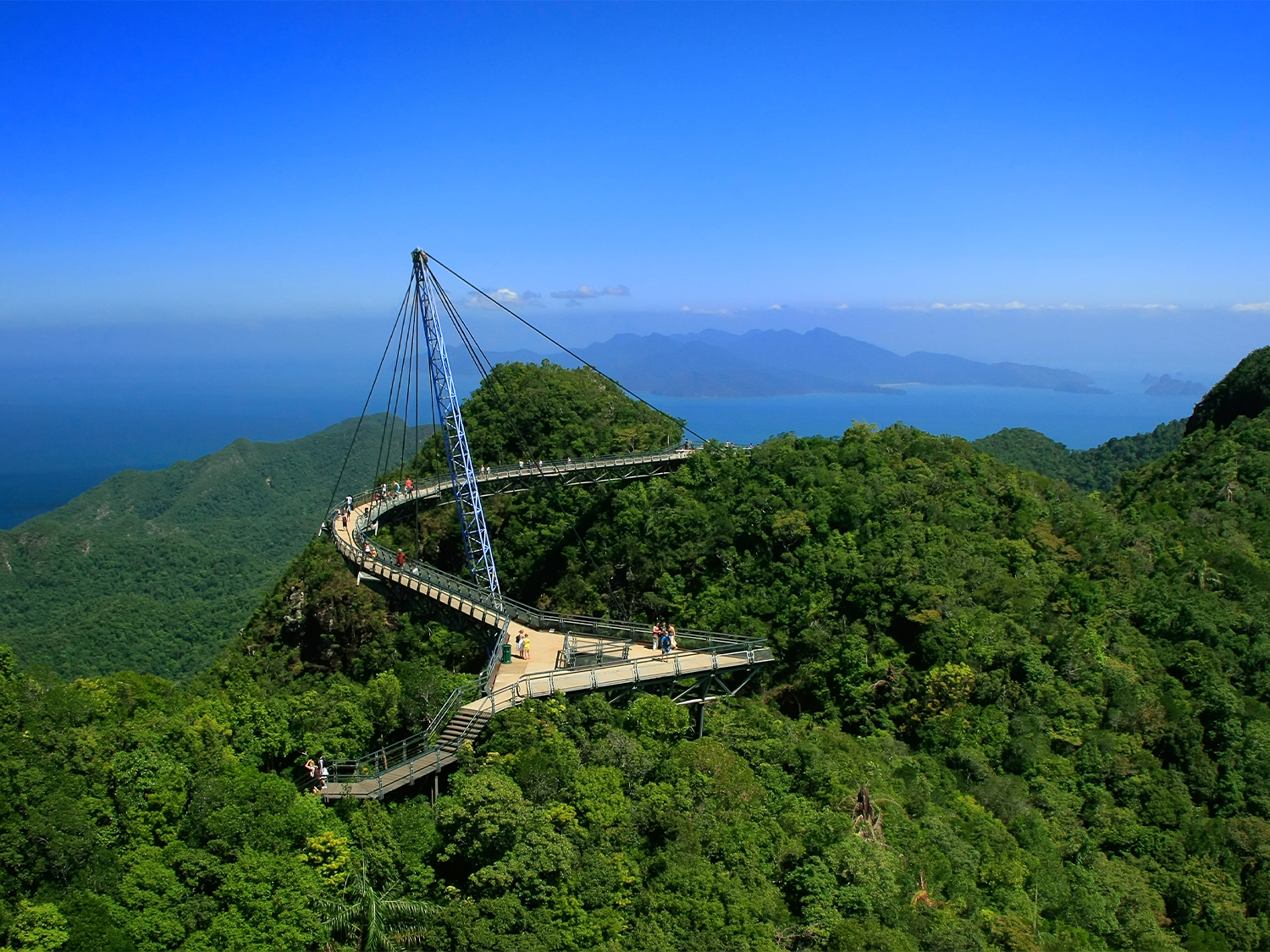
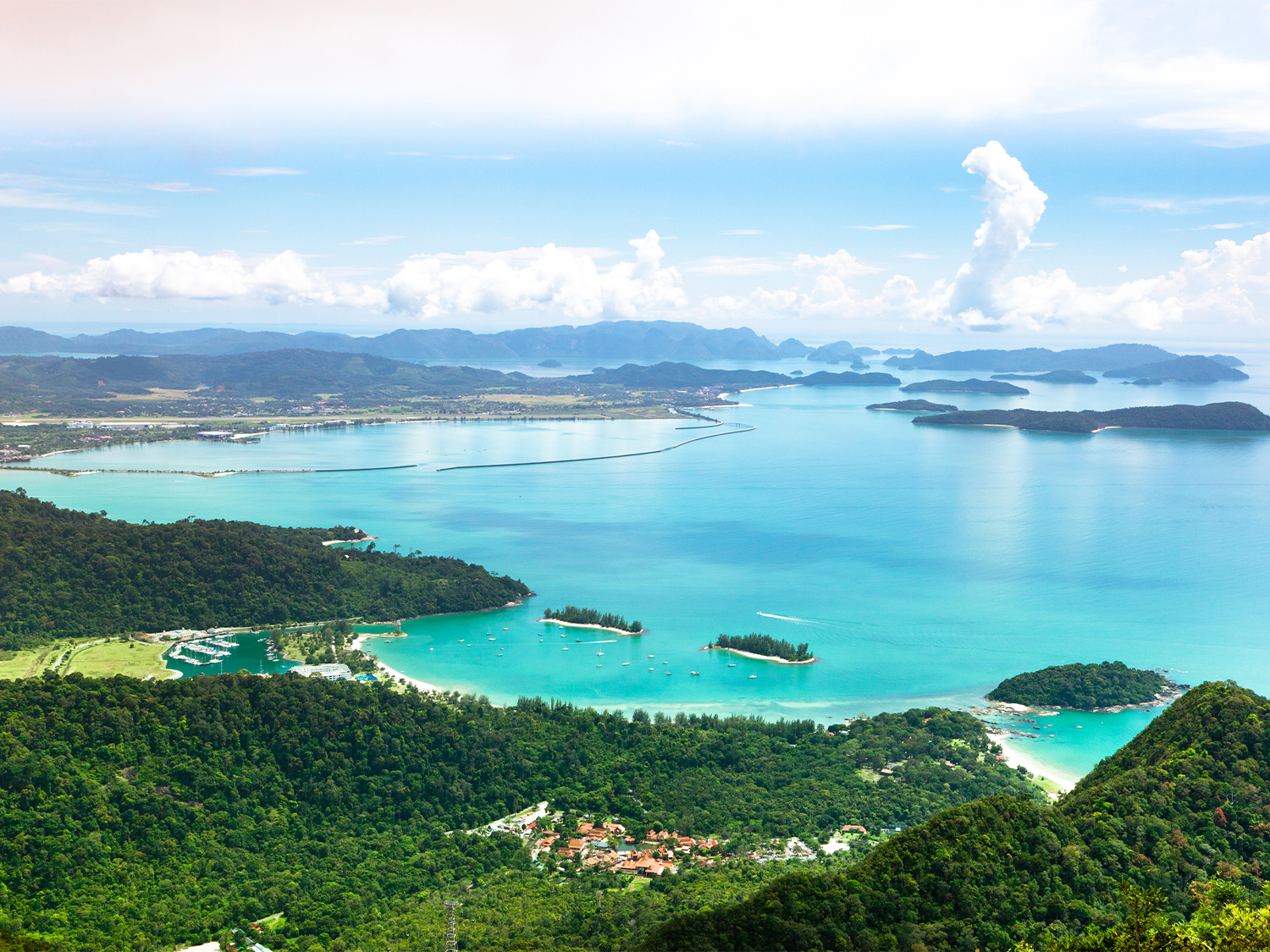
The west coast of Peninsular Malaysia – including popular destinations like Langkawi, Penang, Pangkor Island, Kuala Lumpur, and Malacca – experiences its best weather from December to March. During these months, rainfall is lower, and you can expect plenty of sunshine, making it ideal for beach holidays, sightseeing, and cultural exploration. Langkawi and Penang see a peak in visitor numbers during this time, so advance bookings are highly recommended. Kuala Lumpur, with its year-round warmth, is also pleasant to visit now, with clearer skies and less frequent downpours.
Best Time to Visit Malaysia’s East Coast
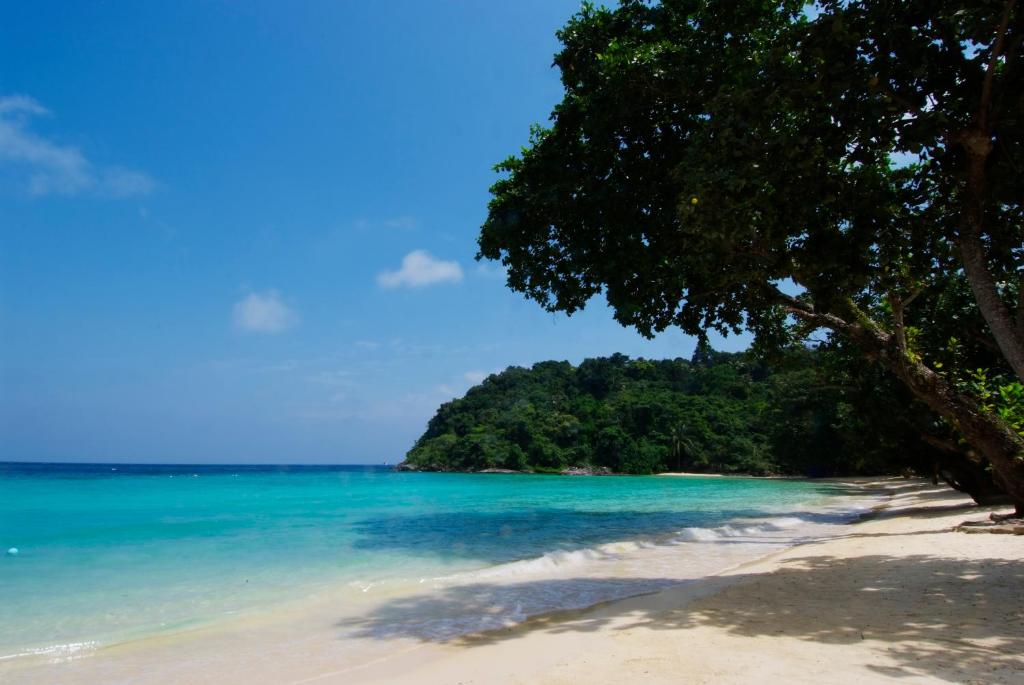
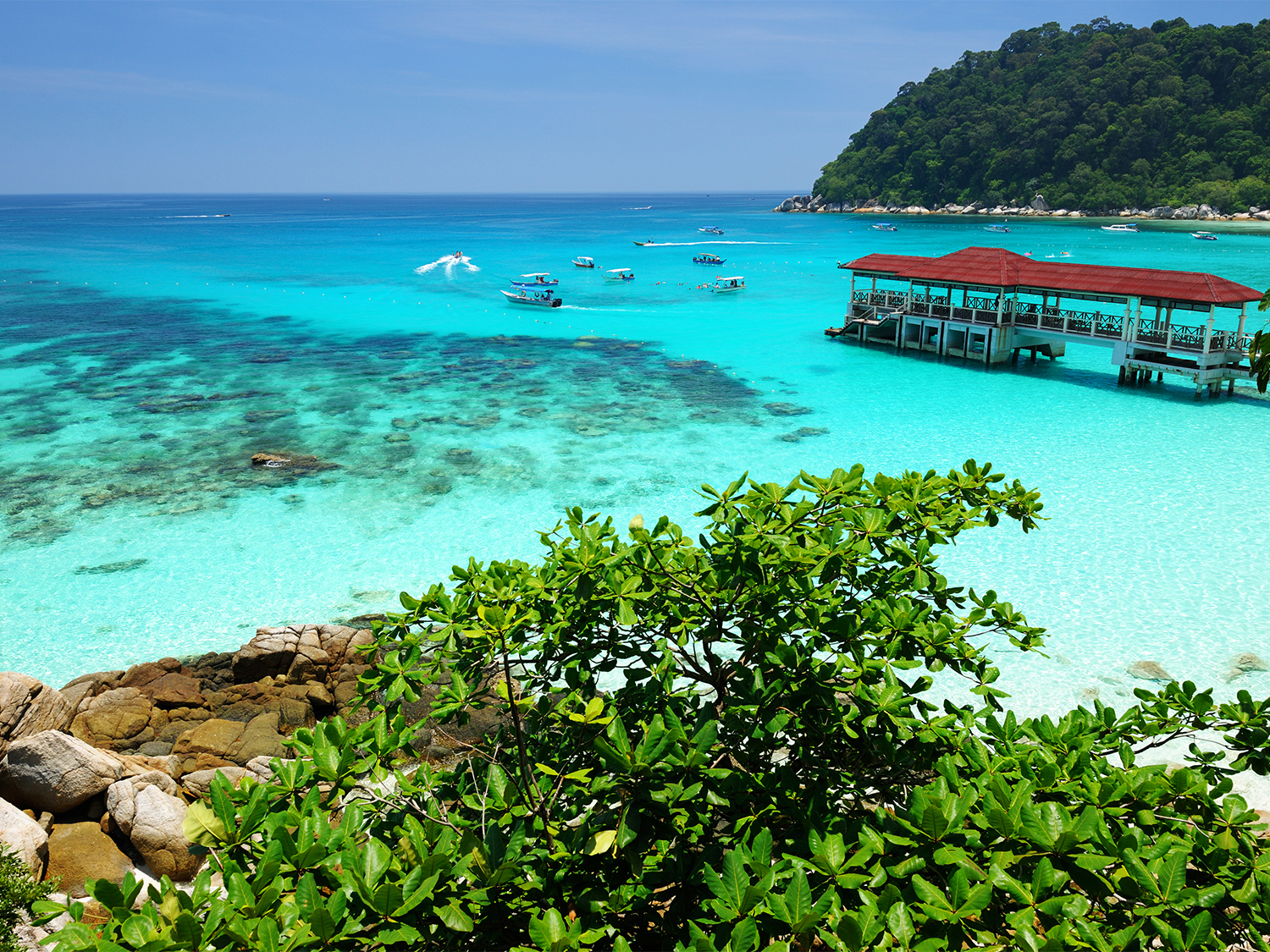
The east coast of Peninsular Malaysia, home to the Perhentian Islands, Redang, Tioman, and Terengganu, is best visited between April and September. These months bring calm seas, sunny skies, and ideal conditions for water-based activities like snorkelling, diving, and island hopping. During the Northeast Monsoon from November to March, the region experiences heavy rainfall, rough seas, and many resorts close for the season. April and May are particularly attractive for travellers who want great weather without the crowds of peak summer.
Best Time to Visit Malaysian Borneo (Sabah & Sarawak)
In Malaysian Borneo, which includes the states of Sabah and Sarawak, the weather can be unpredictable, but the driest and most travel-friendly period runs from March to October. This is the best time for wildlife experiences, including orangutan spotting in Sepilok, jungle treks in Bako National Park, and river safaris along the Kinabatangan River. Outdoor activities such as climbing Mount Kinabalu are also more feasible in these drier months. June to August is especially good for nature lovers, with increased animal activity and better accessibility to remote areas.
Best Time to Visit the Cameron Highlands and Taman Negara
If you’re heading to the Cameron Highlands or Taman Negara National Park, you can visit at almost any time of year. The Cameron Highlands are located over 1,000 metres above sea level, offering cool, misty conditions that are ideal for escaping the heat. Tea plantations, strawberry farms, and forest trails are open year-round. Taman Negara, one of the world's oldest rainforests, is also accessible throughout the year, though the drier months between March and September are best for jungle trekking and canopy walks.
Weather in Malaysia by Month
January
January marks the height of the Northeast Monsoon on the east coast of Peninsular Malaysia, bringing heavy rain and rough seas to islands like the Perhentians, Redang, and Tioman. Most resorts here are closed. However, the west coast—including Langkawi, Penang, and Pangkor Island—enjoys dry, sunny weather, making it one of the best months to visit these areas. Kuala Lumpur and the Cameron Highlands remain warm and humid, with occasional showers. It’s also a festival month, as Thaipusam and Chinese New Year may fall here, adding cultural colour to the calendar.
February
February continues with similar weather patterns as January. The east coast remains rainy, while the west coast sees sunny skies and comfortable humidity levels. This is an excellent time to explore Kuala Lumpur’s landmarks, heritage town like Malacca, or relax on Langkawi’s beaches. With Chinese New Year often celebrated in February, travellers can enjoy parades, firecrackers, and vibrant street festivals. Borneo may experience intermittent rain, but conditions in Sabah and Sarawak are improving as the month progresses.
March
March is a transitional month, as the Northeast Monsoon begins to weaken. Rainfall decreases on the east coast, although sea conditions may still be rough early in the month. On the west coast, sunny and hot days are still common, with some pre-monsoon humidity starting to rise. Borneo starts to see drier conditions, making it a great time to explore jungle trekking routes to plan a trip to Kinabatangan River or Sepilok Orangutan Sanctuary. Overall, March is a good month for most regions in Malaysia.
April
April is one of the best times to visit Malaysia overall. The east coast islands begin to reopen, offering sunny days, calm waters, and excellent visibility for snorkelling and diving. The west coast continues to enjoy generally good weather, though isolated thunderstorms may start appearing in the afternoons. Kuala Lumpur becomes more humid but is still very manageable for sightseeing. In Borneo, the weather remains favourable for wildlife spotting, hiking, and nature tours. This month offers a sweet spot with fewer tourists and full access to most destinations.
May
May introduces the Southwest Monsoon, which brings heavier rainfall to the west coast regions. However, rain tends to come in short bursts rather than prolonged downpours, so travel is still possible. The east coast sees optimal conditions for island travel, with sunshine, calm seas, and lower humidity. Borneo continues to experience good weather, especially in Sabah, where it’s a prime time for climbing Mount Kinabalu. May is also when the Islamic festival of Hari Raya Aidilfitri often takes place, offering a unique chance to experience Malaysian hospitality and open house feasting.
June
June is a fantastic month for east coast travel. The Perhentian Islands, Redang, and Tioman are at their best, with minimal rainfall and excellent marine visibility. Borneo enjoys a dry spell, making it one of the best times for jungle excursions and river safaris. Kuala Lumpur, Penang, and Langkawi may experience occasional downpours, but they are typically brief and refreshing. This is also the start of Gawai Dayak celebrations in Sarawak, an indigenous festival rich in culture and tradition.
July
July brings peak travel season to Malaysia’s east coast. Expect bright sunshine, calm seas, and thriving marine life – perfect for diving trips. The Rainforest World Music Festival in Sarawak takes place this month, drawing both international and local visitors to Borneo. While the west coast continues to receive some rainfall, travel remains very feasible. Highland areas like Cameron Highlands are particularly appealing in July, offering cool temperatures and misty mornings that contrast nicely with the tropical heat elsewhere.
August
August mirrors July, with sunny days and warm waters along the east coast. It’s one of the best months for snorkelling, diving, and island-hopping. Borneo remains dry, making it ideal for nature lovers and wildlife photographers. Although the west coast experiences the tail end of the Southwest Monsoon, the rains are still generally short and do not disrupt travel plans. As one of Malaysia’s busiest travel months, especially for Europeans on summer break, August is best booked in advanced.
September
September is the final month of peak season on the east coast. Rain may start to increase toward the end of the month, particularly on Tioman Island, but the first half often still offers excellent conditions. Borneo remains accessible, through rainfall begins to increase slightly in some regions. On the west coast, showers become more frequent but are still unlikely to ruin a holiday. The Cameron Highlands remain pleasant, and cities like Kuala Lumpur are less crowded as the school holidays wind down.
October
October is a shoulder-season month and marks the start of the Northeast Monsoon. Rainfall increases significantly on the east coast, and many island resorts begin to close. The seas become rougher, limiting ferry services. The west coast, however, begins to dry out slightly, making this a good time for deals and quieter travel in places like Penang and Langkawi. Borneo can be wet, particularly in Sarawak, but some wildlife areas remain accessible with proper planning.
November
November brings heavy monsoon rains to the east coast, making beach holidays in that region almost impossible. Resorts shut down, and ferry connections are suspended. However, the west coast starts to enjoy better weather, with rainfall reducing as the month progresses. Langkawi and Penang begin to shine again, with lush greenery after months of rain. Kuala Lumpur and Cameron Highlands can still experience frequent showers, but overall conditions are improving. For those not focused on beaches, November can offer quiet travel and lower prices.
December
December marks that start of the high season on the west coast. Langkawi, Penang, and Pangkor Island see sunny skies and pleasant temperatures, attracting both international and domestic tourists. The east coast remains in full monsoon mode, so avoid island destinations there. Christmas and New Year celebrations draw crowds to Kuala Lumpur, where city lights, shopping festivals, and fireworks make for a festive end to the year. In Borneo, the rains persist, but travel is still possible depending on the region.
When to Avoid Visiting Malaysia
The worst time to visit Malaysia is between November and February if you’re planning to travel to the east coast. Heavy rains and rough seas make it difficult, if not impossible, to access many of the islands. Most beach resorts shut down, and ferry services are suspended. That said, the west coast and inland destinations are still viable, and cities like Kuala Lumpur, Malacca, and Penang continue to attract visitors, especially around Christmas and Chinese New Year.
Best Time to Visit Malaysia for Festivals
Malaysia’s multicultural society means there’s always a festival or celebration happening. In January or February, Chinese New Year transforms cities with lanterns, lion dances, and fireworks. Around the same time, Thaipusam is celebrated with colourful and dramatic processions at Batu Caves near Kuala Lumpur. Hari Raya Aidilfitri (Eid) is a major Muslim celebration marking the end of Ramadan, usually taking place in April or May. In Sarawak, the Gawai Dayak Festival in June honours the indigenous communities, with July brings the Rainforest World Music Festival, a global gathering of music, dance, and art in Borneo. Deepavali (Diwali), the Hindu festival of lights, is observed in October or November.
Malaysia Travel Guides
If you're planning a trip to the tropical wonderland of Malaysia, there are a few things you'll want to know before you go—and we’re here to help with our handy travel guide resources. You’ll find information on the best time to visit, top sights to explore, insider tips on spotting wildlife in the rainforests, plus details on currency, costs, voltage, cuisine, and more. There’s also a guide to popular routes like the Peninsular Highlights, information on accommodation upgrades, reviews from our travellers, and a collection of videos to inspire your adventure.